

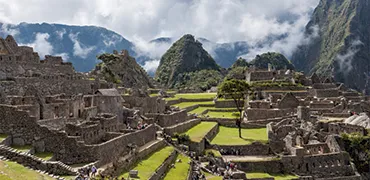
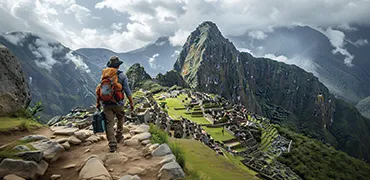
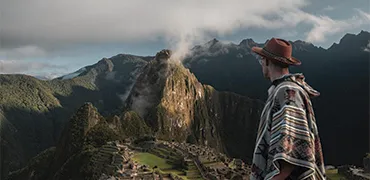
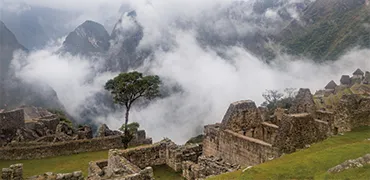
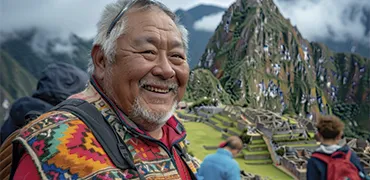
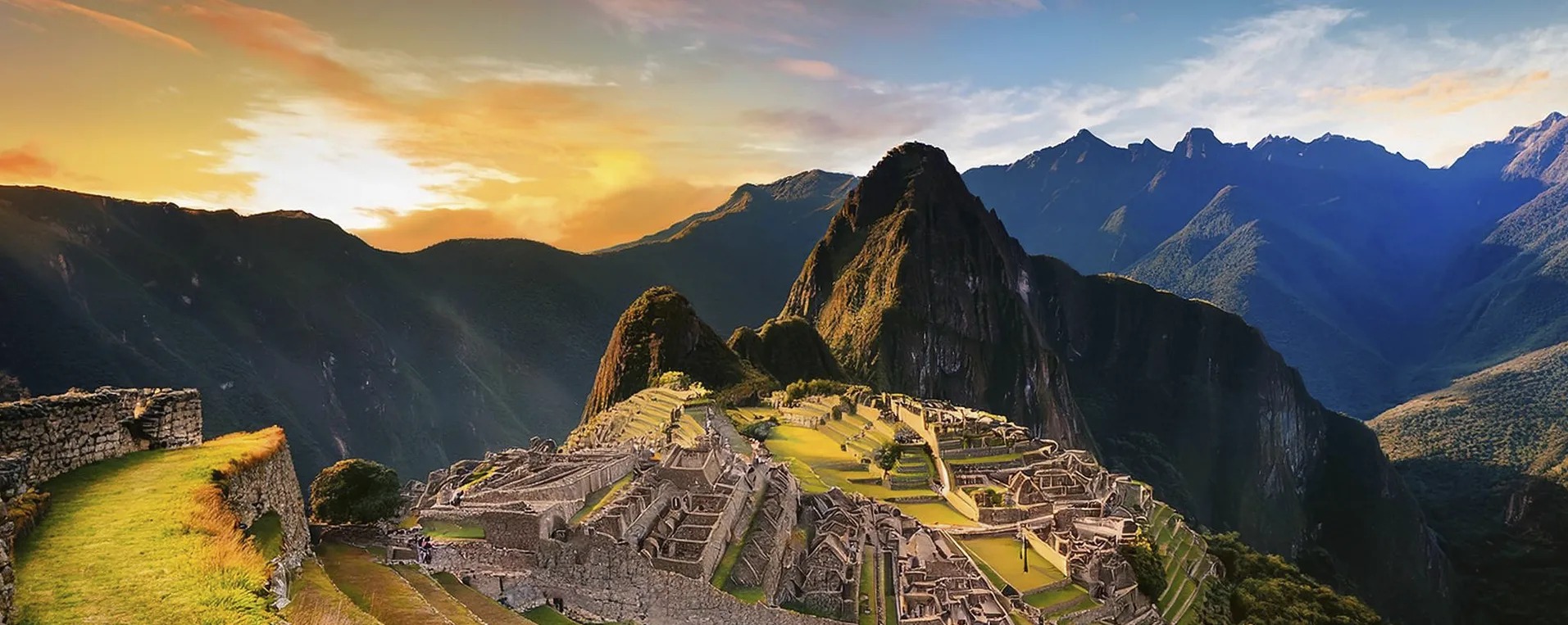
This 8-day Alternative Inca Trail to Machu Picchu is an exclusive Peru Alive program that blends adventure trekking, living Andean culture and genuine spiritual immersion. Over 7 nights you cross the Sacred Valley and the high mountain Puma Path — reaching 4,250 m — sleep beside sacred lakes, take part in an authentic ceremony with a paqo, share daily life with the Challwa Q’ocha community, and finally arrive at Machu Picchu. It is the ideal route for travelers who could not secure a classic Inca Trail permit, or who simply want a deeper, crowd-free path to the citadel. A reasonable level of fitness and a sense of adventure are all you need.
USD 1,495 /per person
USD 1,195 /per person
This is a fully private, exclusive Peru Alive program — the price covers 8 days and 7 nights including accommodation, private transport, a certified guide, the Andean spiritual immersion with a paqo, camping equipment and most meals. It is an investment in an authentic, small-group alternative to the permit-locked classic Inca Trail.
Book at least one month ahead · Fixed departures on the 3rd and 18th of each month.
PRIVATE SERVICE : At least one month in advance
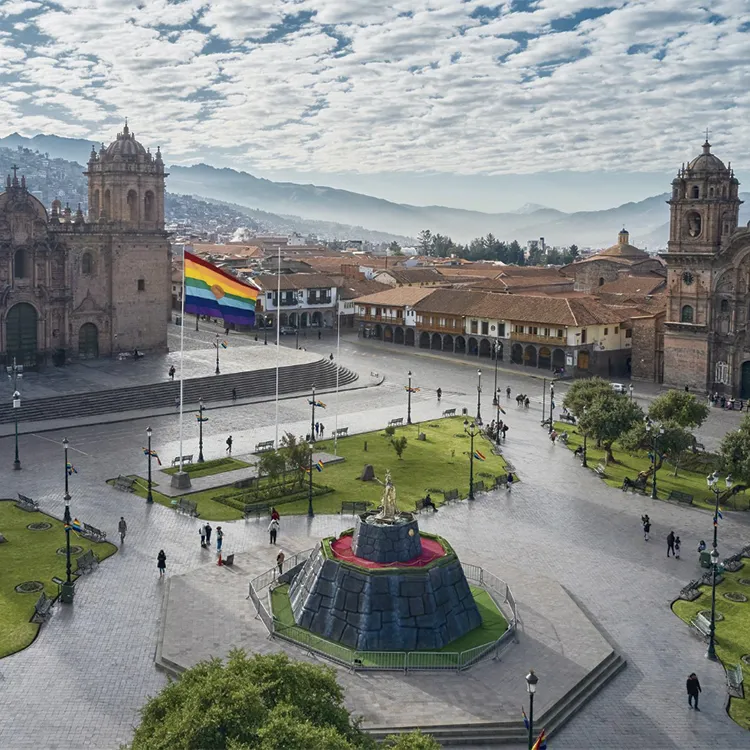
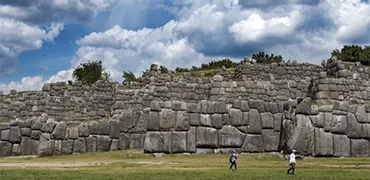
Arrival in Cusco & City Tour. Our team meets you at the airport with private transport and takes you to a hotel near the city center. After free time to begin soaking in the energy of the former Inka capital, your guide collects you at 12:30 PM for lunch at a traditional Andean restaurant. In the afternoon, a guided walking tour explores the sacred heart of Cusco — the Plaza de Armas, the artisan quarter of San Blas, the famous 12-Angled Stone, the Cathedral and the Qorikancha (Temple of the Sun). Overnight in Cusco. (Meals: lunch.)
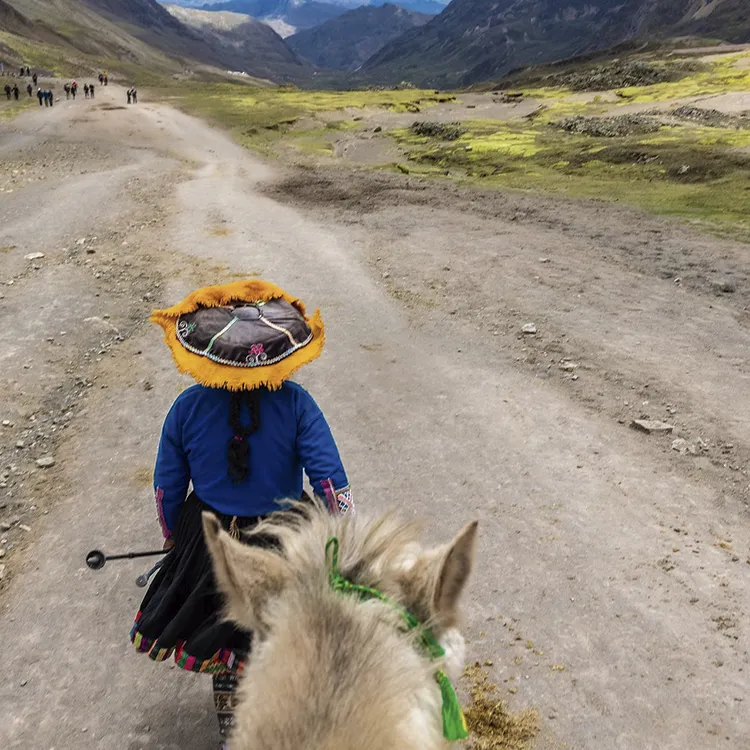
Sacred Valley — Pisac, Ollantaytambo & Marka Qocha. At 7:30 AM we set out by private vehicle into the Sacred Valley. We pause at the Qorao and Pisac viewpoints, explore the colorful Pisac market and walk the terraced temples of the Pisac archaeological park. After a buffet lunch in Urubamba, we visit the Inca fortress town of Ollantaytambo before continuing to our first camp at Marka Qocha, a sacred altar site in the mountains. Overnight camping. (Meals: breakfast, lunch, dinner.)
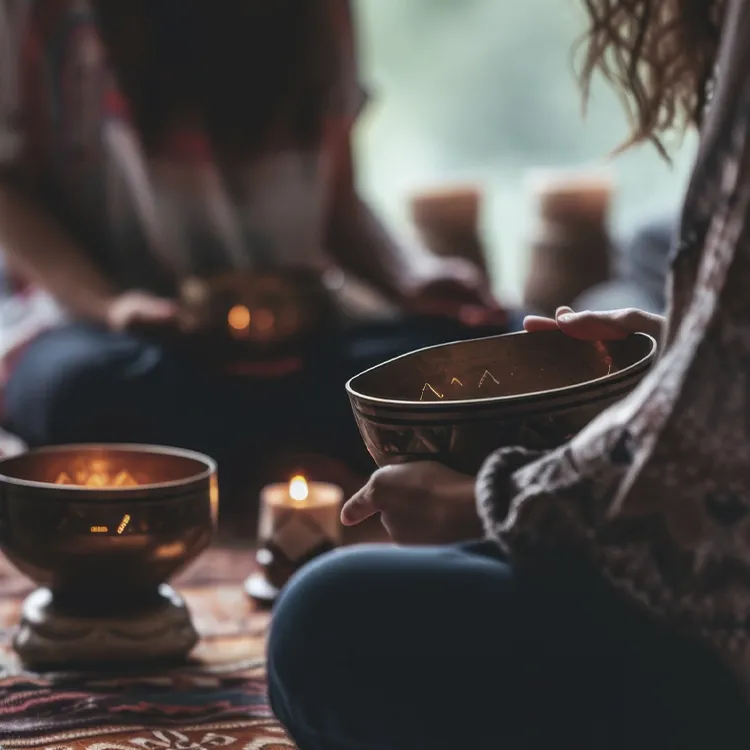
Spiritual Immersion & Challwa Q’ocha. After a 6:00 AM start and breakfast, the day opens with a sacred purification and healing ceremony led by an Andean priest (paqo) — preparing an offering to Pachamama, the Apus and the Aukis — followed by a seminar on Andean spirituality and traditional medicine. We then transfer to the Indigenous community of Challwa Q’ocha for traditional wild fishing and a locally sourced meal. Overnight camping. (Meals: breakfast, lunch, dinner.)
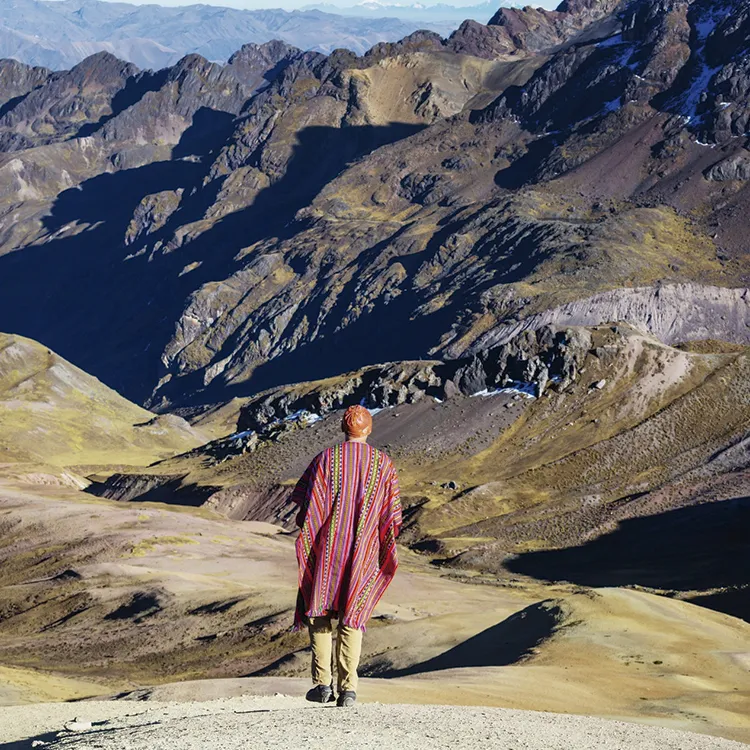
The Puma Path Trek — the Alternative Inca Trail. After breakfast we begin the ancestral pilgrimage along the Puma Trail, once walked by Inka shamans. We ascend to Melo Pata for views of Apu Piriqway and Apu Pitusiray, cross Tika Pallana, and climb to the journey’s highest point — the Puma Path pass at 4,250 m (13,944 ft) — before descending to camp beside the sacred Lake Manto Qocha. This is the heart of the trek. Overnight camping. (Meals: breakfast, lunch, dinner.)
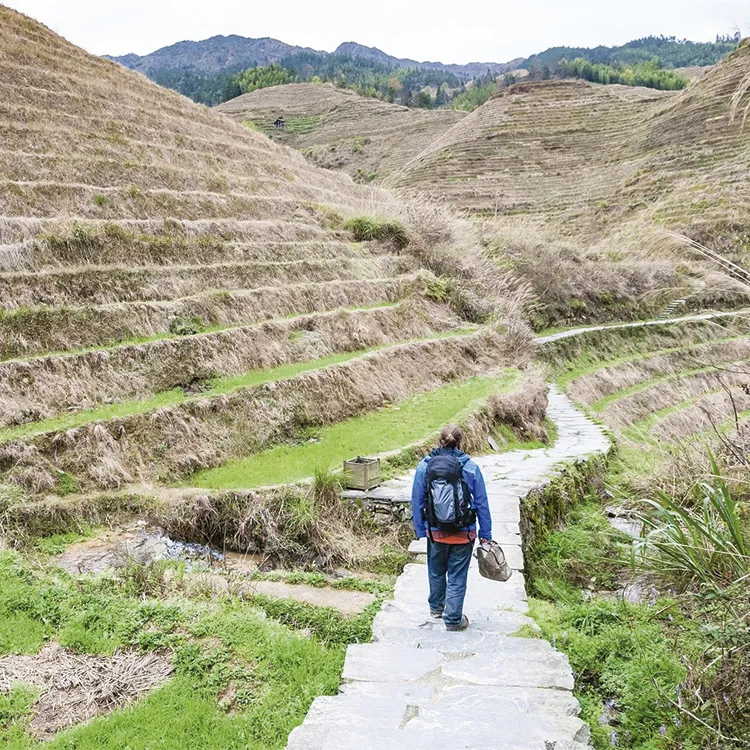
Manto Qocha to Urubamba. We wake beside the waters of Lake Manto Qocha, a place of deep spiritual energy. After breakfast we descend for about five hours through native Andean forest (Chachacoma, Queña, Unka), reaching Puma Pampa, where we thank our support team. We then transfer to the Sacred Valley for lunch and to a comfortable hotel in Urubamba for a well-earned rest. Overnight hotel. (Meals: breakfast, lunch.)
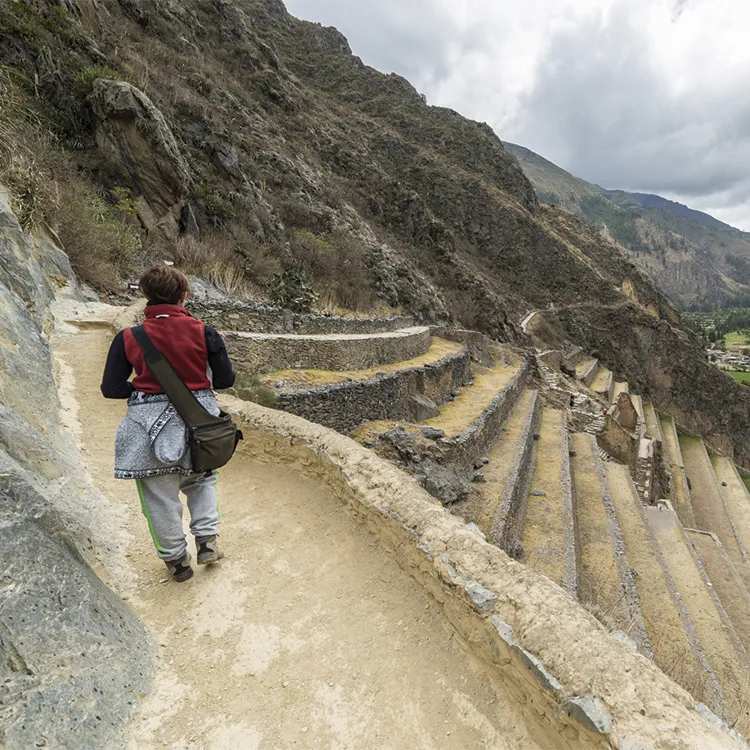
Free Day in the Sacred Valley. Take this day to rest, explore at your own pace or add one of our optional experiences — visiting local markets, hiking to nearby sites, or relaxing in Urubamba. Your guide helps you plan the day around your interests and energy after the trek. Overnight hotel. (Meals: breakfast.)
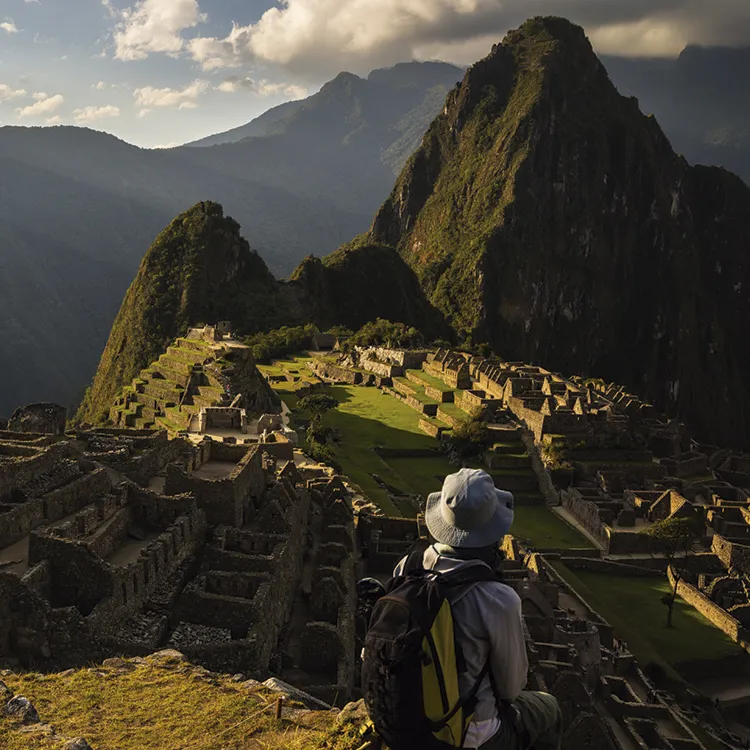
Machu Picchu Full-Day Tour. We start early (around 5:00 AM, subject to train schedules) with breakfast, then take the train to Aguas Calientes and the bus up to Machu Picchu. Your guided tour lasts about two hours, after which you have free time to explore its energetic spaces. Optional: Huayna Picchu mountain ($75 USD). We return by train to Ollantaytambo and transfer to Urubamba. Overnight hotel. (Meals: breakfast.)
Departure. After an unforgettable journey, we transfer you to Cusco airport (or arrange your onward flight to Lima) according to your schedule, marking the end of your 8-day alternative trek to Machu Picchu. (Meals: breakfast.)
Every element above is organized so you can focus entirely on the experience — we handle the logistics, the permits-free routing, the camping and the ceremonies.
3 lunches, 3 dinners. 3 breakfast (during the program).
Entrance ticket to Machu Picchu.
Any medical or emergency needs.
Other personal expenses not mentioned in the service.
It combines various activities and visits to the most important sites of the tourist destination of Peru – Cusco, with unique and exclusive content and itinerary, touring natural and cultural spaces away from the city bustle, living and learning experiences about Andean spirituality (seminars and ceremonies); with the possibility of spotting the Condor, Puma, Vicuñas, etc. (in their natural habitat).
A new program, new route, designed for a wide sector of travelers eager to learn about and engage with the ancient Andean culture, alive and present in its vestiges and its native people, with their practices of daily life. An alternative program to the very saturated Classic «Inca Trail» and much more economical, although with a different itinerary (Optionally, part of the trek can be done on horseback).
This program uses the train service to reach Machu Picchu — a monopoly with expensive tickets that sell out quickly, which can create scheduling problems on fixed-itinerary tours. Our route is designed around this constraint: we plan train logistics carefully and keep the rest of the itinerary flexible, so there is no risk of a missed connection forcing you to rush the most meaningful moments of your journey.
This route allows us to make the schedules for each tour activity more flexible, according to the group’s pace – there is no risk of the train leaving us, of the bus leaving us, of forgetting our belongings at the station or on the train. There is no rush to run from the station to catch the train, no rush to run from the station to the bus to get to the hotel, etc. Here we go at the group’s pace, without stress, without running.
You will be able to purchase products from the native communities (typical textiles and other handicrafts), helping the community, which will contribute to the local economic reactivation, also generating other jobs (muleteers, cooks, guides, mules, etc.).
The Sacred Valley of the Inkas — originally called Willka Yacu (sacred water) — is the fertile heart of the Cusco region, where almost every traveler to Peru passes through. Rich in agricultural terraces and ceremonial sites, it links the towns of Pisac, Qoya, Lamay, Yucay, Urubamba and Ollantaytambo along the Urubamba river. For the Inka it was both a breadbasket and a sacred landscape, its mountains revered as living Apus. This valley forms the spine of our alternative route, giving you days of immersion in living Andean culture before you reach Machu Picchu.
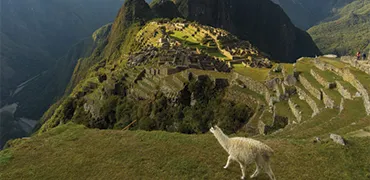
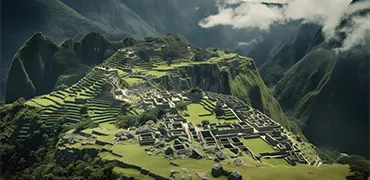
Machu Picchu is the longing of every traveler to Peru — one of the seven wonders of the world and the ultimate destination of this trek. Built in the 15th century and never found by the Spanish, this Inka sanctuary sits dramatically between forested peaks above the Urubamba river. On Day 7 you explore it with a private guided tour, then enjoy free time to feel the energy of its temples, terraces and ceremonial stones for yourself.
One of the few sacred places in the Andean region where families descending from the Tawantinsuyo civilization still live, preserving the wisdom and energy of the ancient Inka culture. These people, guardians of ancestral traditions, continue to practice their own traditional customs and spiritual ways of life.
Their main activity for household sustenance is family agriculture, working in harmony with Pachamama and the natural land. They also dedicate themselves to creating handicrafts with traditional weavings, all completely handmade, preserving the soul of Andean artistry. These unique pieces, infused with spiritual energy, are offered to travelers who visit, providing them with an experiential and cultural connection to this sacred land.
Beyond the community visit, Challwa Q’ocha offers travelers a rare chance to share daily life with a family lineage descended from the Tawantinsuyo — learning traditional fishing, tasting local cuisine and witnessing how Andean wisdom is still lived rather than performed. Your participation directly supports the community’s economy and cultural preservation.
During the great Inka civilization, Marka Qocha was a sacred place for initiatory and healing practices within Andean spirituality. Today it remains a living altar high in the mountains, where our first camp is set beneath ancient Wakas and a colonial chapel. Here travelers take part in offerings to Pachamama and the Apus, guided by a paqo, reconnecting with the energy of the land far from any crowd. Marka Qocha is one of the elements that makes this alternative trek a genuinely spiritual pilgrimage rather than a standard hike.
This is a moderate-to-challenging multi-day trek with several hours of walking on uneven mountain trails and one high pass at 4,250 m. A reasonable level of fitness and some prior hiking experience make the journey far more enjoyable.
Arrive in Cusco or the Sacred Valley at least two days before departure to adjust to the altitude. Day 1 and 2 are deliberately gentle to help your body acclimatize before the high-mountain trekking days begin.
Layered trekking clothing, a warm sleeping layer for cold nights, broken-in hiking boots, rain gear, sun protection, a refillable water bottle, a headlamp and any personal medication. We provide camping equipment and detailed packing guidance after booking.
If you have any medical condition, please let us know in advance so we can advise you honestly on whether this trek is suitable for you.
Tell us your travel dates and group size. We confirm your departure and hold your place on this exclusive 8-day journey. No payment required to enquire.
Questions first? Message us on WhatsApp — we reply the same day.
Below are the questions travelers ask most before booking the Alternative Inca Trail Machu Picchu tour. Each answer is based on the actual program details.
The Sacred Path to Machu Picchu is an 8-day, 7-night exclusive Peru Alive program that serves as an alternative to the classic Inca Trail. First, the tour combines cultural visits in Cusco and the Sacred Valley of the Incas. Then, it adds a multi-day trek known as the “Puma Path”, a spiritual immersion with Andean priests (Paq’os), and a final visit to Machu Picchu. Overall, this scenic trek Machu Picchu Peru route is aimed at travelers who prefer a less saturated, more flexible itinerary.
The tour lasts 8 days and 7 nights. Specifically, it begins on Day 1 with arrival in Cusco and a city tour, continues through the Sacred Valley, the Alternative Inca Trail (Puma Path) trek, a free day in the Sacred Valley, and the Machu Picchu full day tour on Day 7. Finally, Day 8 is return home or flight to Lima.
The itinerary covers several sacred locations across the Cusco region. First, it starts in Cusco (Main Square, San Blas neighborhood, 12-Angled Stone Street, Cathedral, Qorikancha, San Francisco Square, Nazarenas Square). Next, it continues through the Sacred Valley of the Incas with the Qorao and Pisac viewpoints, and the towns of Pisac, Lamay, Urubamba and Ollantaytambo. Afterwards, the alternative trek passes through Marka Qocha (with its ancient Waka and colonial chapel) and the Challwa Qocha community. Finally, it ends at Machu Picchu.
Prices depend on group size. For example, a group of 2 participants pays USD 1,495 per person, while a group of 3 or more participants pays USD 1,195 per person. Therefore, larger groups enjoy a lower price per person.
This program has fixed departures every 3rd and 18th of the month, throughout the year. However, departures do not operate in March. In addition, private service can be arranged when booked at least one month in advance.
This Sacred Path offers clear advantages over the saturated classic route. It combines crowd-free trekking with unique spiritual immersion (an Andean ceremony with a paqo), community contact at Challwa Q’ocha, and a flexible pace built around train logistics — all without the permit lottery of the classic Inca Trail.
The package covers the full 8-day experience: accommodation (hotel in Cusco plus camping at Muñaypata / Marka Qocha, subject to availability), private transport throughout, a certified guide, the Andean spiritual immersion and healing seminar with a paqo, camping equipment, and most meals as detailed in the day-by-day itinerary.
Four items are not included in the price. Specifically:
Therefore, you should budget extra funds to cover the Machu Picchu ticket and any additional meals.
Yes. Specifically, Day 3 begins with a sacred purification and healing ceremony guided by an Andean priest (Paq’o), a member of the Andean Amazonian Spirituality School. During this ancestral ritual, participants prepare an offering to Pachamama, the Apus and the Aukis. After the ceremony, the group takes part in a spiritual seminar on Andean wisdom. In addition, the full program is designed around ancestral Andean culture and practices.
Yes. On Day 6, the itinerary includes a free day in the Sacred Valley. During this day, you can relax, explore at your own pace, or join one of the optional experiences. For example, you may visit local markets, hike through surrounding landscapes, or join a cultural workshop with local artisans. Overall, this day offers flexibility to design your perfect experience in the heart of the Sacred Valley.
No — and that is the whole point. The classic Inca Trail requires a government permit that sells out months in advance and is strictly capped. This Alternative Inca Trail uses a private route through the Sacred Valley and the Puma Path, so no Inca Trail permit is needed. You still reach Machu Picchu, simply by an authentic, permit-free path.
This is a moderate-to-challenging multi-day trek. The highest point is the Puma Path pass at 4,250 m (13,944 ft) on Day 4. A reasonable level of fitness and some hiking experience are recommended. We build in gentle early days for acclimatization and ask you to arrive in Cusco or the Sacred Valley at least two days before departure.
Both options exist. The program runs on fixed departures every 3rd and 18th of the month (except March), and it can also be arranged as a fully private service with at least one month’s notice. Either way, group sizes are kept small and the experience remains personal.
Send your preferred departure date and group size through the contact form on this page. Because the route depends on limited Machu Picchu train tickets, we recommend booking at least one month in advance. We confirm availability, secure your train tickets and hold your place with a deposit; the balance is settled before the trek begins.