

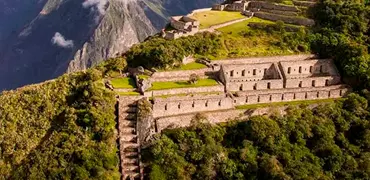
The Vilcabamba trek to Espíritu Pampa is a 7-day / 6-night Inca adventure that follows the actual route of the last Inca, Manco Inca, through refuges and strongholds of the final Inca resistance against the Spanish invasion. That resistance lasted around 40 years and ended in 1572.
This vilcabamba trek Peru starts in the high Andean zone at a maximum altitude of 3,860 m / 12,664 ft and descends to just 700 m / 2,296 ft in the tropical rainforest. Most of the route is downhill with gentle slopes — except Day 2, which includes a 3-hour ascent to a single mountain pass at 3,860 m. From that pass on, the trail is mostly descending, and the flora and fauna change continuously day by day.
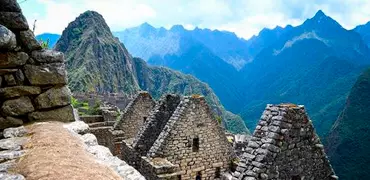
Along this vilcabamba inca trail trek we visit important archaeological sites — Lucma Rosapata and Ñusta Hispana — and the native communities of Yupanca, Concevidayoc and Vilcabamba. The trek ends at Espíritu Pampa, one of the lost Inca cities hidden in the jungle: a rarely explored site with very few visitors that was the last stronghold of the Inca Empire.
That is what sets this last inca capital trek Vilcabamba apart from other tour-agency programs. It is a route filled with silence — far from the noise of mainstream circuits. Climate-wise, only the first campsite is slightly cold. The rest of the campsites are warm and mild, with warm-humid days typical of the high jungle region.
The Vilcabamba trek to Espíritu Pampa is one of the most remote and historically powerful journeys in Peru — following the actual escape route of Manco Inca to the jungle capital where the Inca empire made its final stand. Peru Alive runs this expedition as an exclusive small-group program with a full crew, for travelers who want history and solitude rather than crowds.
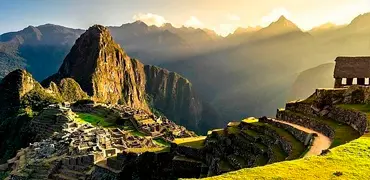
Espíritu Pampa — not Machu Picchu — was the final refuge and capital of the Inca resistance until 1572. You walk to a place most travelers to Peru have never even heard of, deep in the cloud forest.
This is true off-the-beaten-path Peru. Where the classic Inca Trail is booked out months ahead, the Vilcabamba route sees only a handful of expeditions — you may have the trail and the ruins to yourself.
Descend from 3,860 m of high Andean grassland to just 700 m of tropical rainforest, watching the flora, fauna and climate transform completely, day by day.
Bilingual guide, chef and assistant, porters and horses, quality tents, dining tent, daily snacks and tea service. You carry only a daypack while we handle every logistic.
USD 1,495
USD 1,195
This is a fully private, exclusive Peru Alive expedition. The per-person price covers your bilingual guide, full chef and porter crew, horses, all camping equipment, transport from Cusco, entrance fees to every archaeological site and most meals across 7 days and 6 nights. It is a complete, all-inclusive Vilcabamba trek from Cusco — you simply arrive ready for the adventure.
Available April to November · Secure your date with a deposit, balance in Cusco.
At the end of the trek, instead of returning directly to Cusco, it is possible to continue to Aguas Calientes to visit the world wonder Machu Picchu. This option adds one extra day to the program and requires an additional fee.
For more information, please contact Peru Alive.
All rights and authorship are exclusively reserved by Peru Alive.
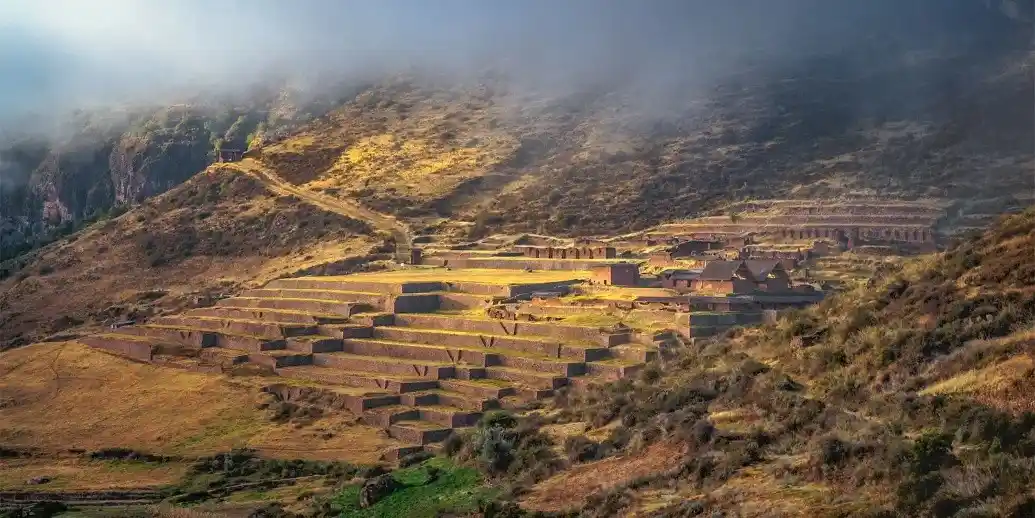
Difficulty: Moderate to easy
Walking distance: Approximately 60 km / 37 miles
Altitude: From 3,860 m / 12,664 ft (start) to 700 m / 2,296 ft (end)
Duration: 7 days / 6 nights
Season: April to November
Route type: Mostly flat and downhill terrain, from the Andes to the tropical valley
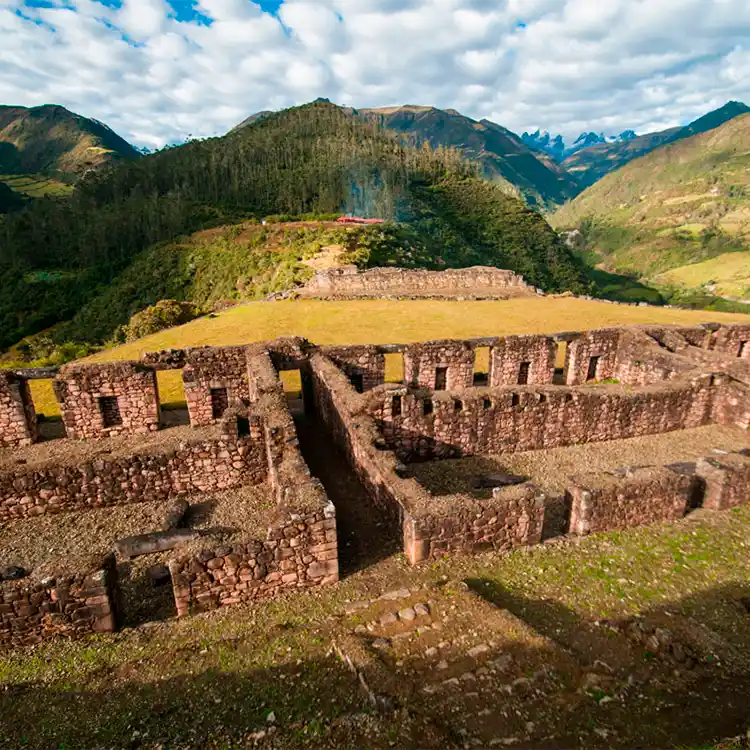
We begin our adventure with an early morning departure from Cusco at 6:00 a.m., traveling by vehicle through the Sacred Valley of the Incas. We pass the highest point of the route, Abra Málaga (4,250 m / 14,000 ft), and several villages such as Huyro, Wayupata, Amaybamba, and Cuquipata.
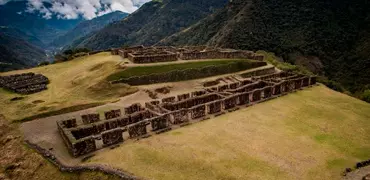
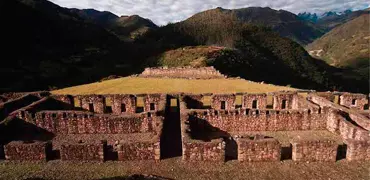
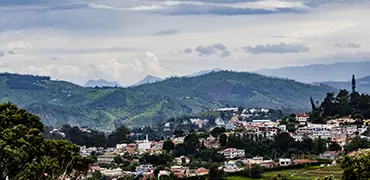
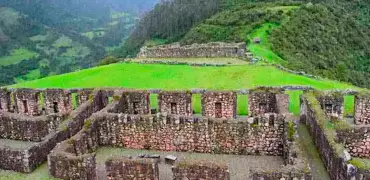
Along the way, we enjoy stunning views of the Andean highlands and the cloud forest. We arrive at the village of Huancacalle (2,995 m / 9,826 ft), where we have lunch and leave the vehicle. In the afternoon, we enjoy a short hike visiting the archaeological complexes of Viqcus and Rosaspata, sites of great importance during the final years of Inca resistance against the Spanish.
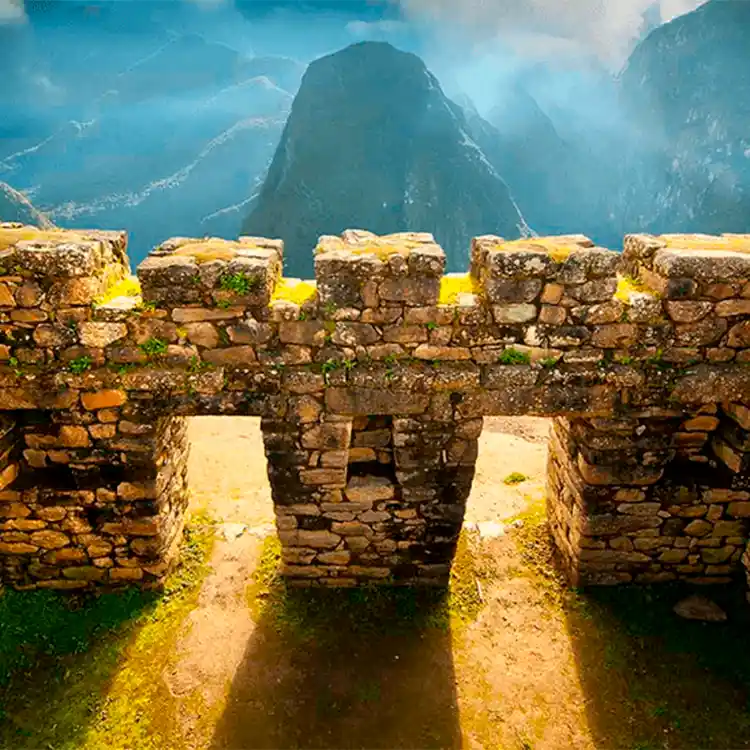
After breakfast, we begin an ascent of approximately 3 hours to reach the Vilcabamba La Antigua Pass (3,855 m / 12,650 ft), the highest point of the trek. We then descend toward Mauqachacha, where the landscape gradually changes into cloud forest vegetation.
We continue to the Ututo campsite (2,840 m / 9,457 ft), where there is the possibility of fishing for trout in the Ututo stream.
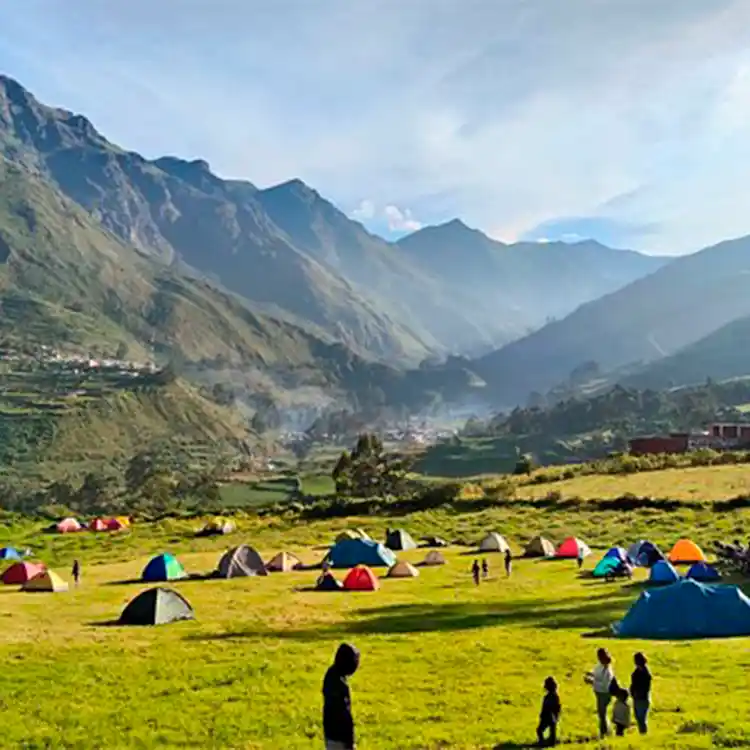
We continue descending gently along a beautiful trail for approximately 7 hours, passing through a semi-tropical forest while following the course of the Mauqachaca River. On this day, we experience the transition from a cold climate to a tropical one.
We arrive at Vista Alegre Camp (1,950 m / 6,494 ft) where we spend the night.
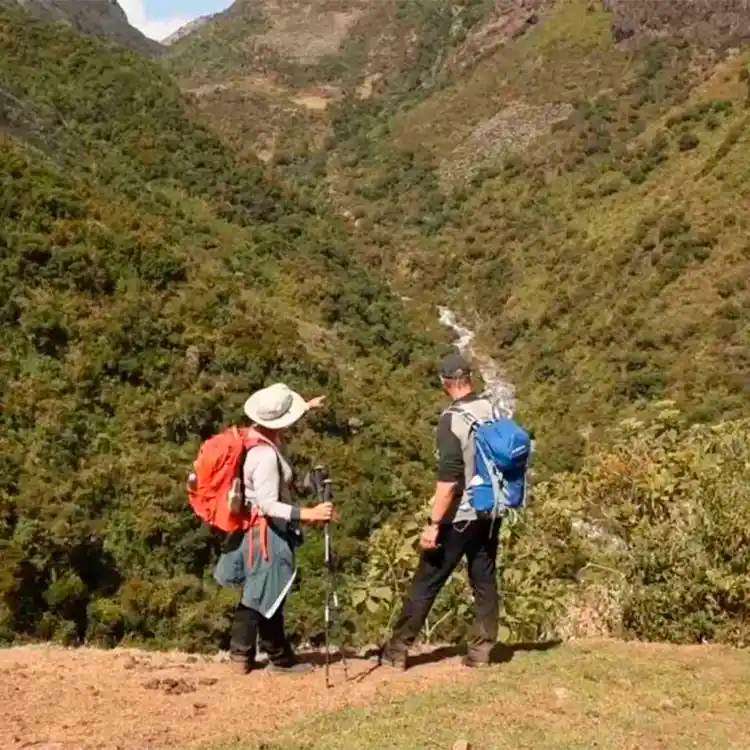
After breakfast, we continue along a mostly flat trail with small uphill and downhill sections, crossing narrow canyons and streams surrounded by lush jungle vegetation and spectacular views. We arrive at the community of Concebidayoq, where we set up camp.
This day is warm, with a higher presence of mosquitoes; insect repellent is essential.
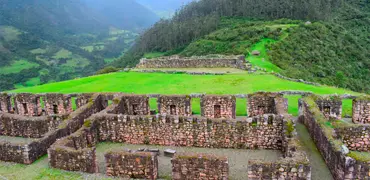
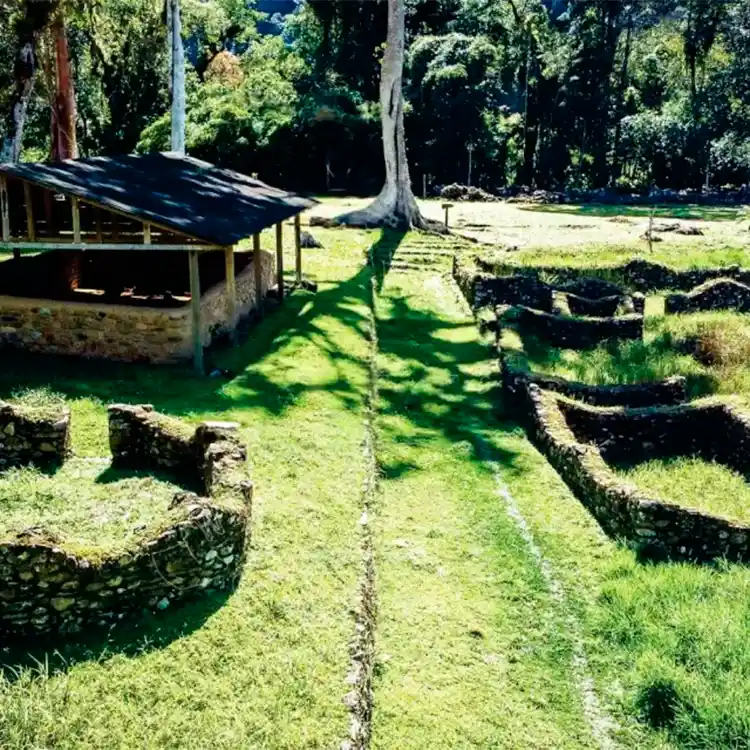
After approximately 3 hours of hiking along a mostly flat trail with a gentle descent, we arrive at the mysterious lost Inca city of Espíritu Pampa. In the afternoon, we enjoy a guided tour of this archaeological complex, recognized as the last stronghold of the Inca Empire.
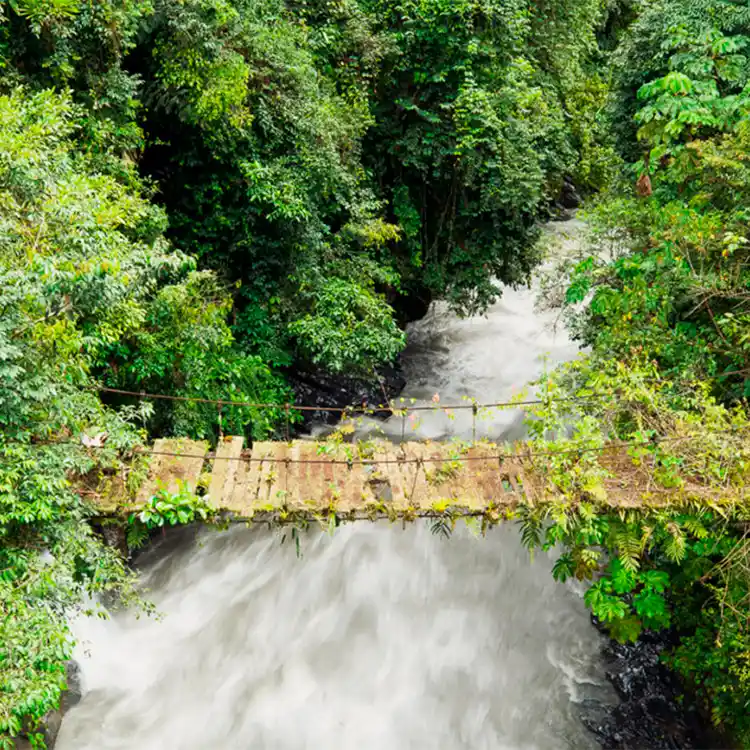
After breakfast, we walk toward Azulmayo, the end of the trek, where we say goodbye to our muleteers and horses. We then travel by vehicle to Kiteni, with a short stop to purchase cold drinks, and continue to Echarate, where we enjoy a refreshing swim in crystal-clear pools. Finally, we continue to Quillabamba, where we stay overnight at a hotel.
After breakfast, we return by vehicle via Abra Málaga, passing through Ollantaytambo, and continue either to the Sacred Valley or directly to Cusco, depending on the group’s preference.
What sets the Espíritu Pampa trek apart from every other route in Peru is the history beneath your feet. This is not a scenic detour — it is the literal path of the last Incas. Understanding it turns a remote jungle hike into one of the most meaningful journeys you can take in the Andes.
After the Spanish seized Cusco, Manco Inca retreated into the rugged Vilcabamba region and founded a hidden kingdom that resisted the conquest for nearly 40 years, until 1572. Espíritu Pampa — known to the Incas as Vilcabamba la Grande — was its jungle capital: the last seat of Inca sovereignty before Túpac Amaru I, the final Inca, was captured here. To walk this trail is to follow the exact escape route of a civilization refusing to disappear.
2For centuries, explorers searched for the “lost city of the Incas.” Hiram Bingham stumbled on Espíritu Pampa in 1911 but, dazzled by Machu Picchu, underestimated it; only later excavations revealed its true scale. Reclaimed by the rainforest, Espíritu Pampa remains largely unrestored — moss-covered temples, plazas and fountains emerging from the jungle. It is the lost city as it was meant to be found: silent, overgrown and utterly authentic.
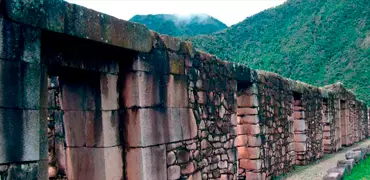
The route passes genuine Inca strongholds rarely seen by visitors: Rosaspata (Vitcos), a royal palace and military centre; Ñusta Hispana (Yurak Rumi), a vast carved white rock that served as a sacred water shrine; and the high pass of Vilcabamba la Antigua. Each site deepens the story of resistance and adds to the sense that you are moving through living, unguarded history.
The classic Inca Trail is permit-locked, crowded and booked months ahead. The Vilcabamba trek needs no Inca Trail permit, follows a route of far greater historical weight, and trades crowds for genuine solitude. For travellers who care about Inca history and want a real expedition rather than a queue, it is the most rewarding alternative trek from Cusco — and you can still add Machu Picchu at the end.
The Vilcabamba trek is rated moderate — most of the 60 km route is flat or downhill — but it is a multi-day jungle expedition, and the descent from cold highland to hot rainforest brings its own demands. A little preparation makes the difference between an ordeal and an adventure.
You should be comfortable walking 5–7 hours a day on varied trails over 7 days. The single real climb is a 3-hour ascent to the Vilcabamba la Antigua pass on Day 2; the rest is mostly gentle descent. Regular walking beforehand is enough preparation for most travellers.
As you drop toward 700 m the climate turns tropical: warm, humid and buggy. Strong insect repellent, light long-sleeved clothing, and electrolyte hydration are essential. The lower jungle days are where preparation matters most.
Broken-in boots, layers for cold highland nights and hot jungle days, rain gear, sun protection, a headlamp, trekking poles and a sleeping bag (both hireable from us), and a refillable water bottle. We send a full packing list after you book.
Our crew carries a first-aid kit with an oxygen tank and provides 24-hour emergency assistance throughout the expedition. If you have any medical condition, please tell us in advance so we can advise you honestly.
If the first list sounds like you, the Vilcabamba trek may be the most meaningful journey of your trip.
Tell us your dates and group size. We confirm your departure, arrange your full expedition crew and hold your place on this exclusive 7-day journey. No payment required to enquire.
Questions first? Message us on WhatsApp — same-day reply.
The vilcabamba trek to Espíritu Pampa is a 7-day / 6-night hike that follows the exact route of Manco Inca, the last Inca, through the Vilcabamba region of Peru. The trek starts in Cusco, crosses the high Andean zone via Huancacalle (2,995 m) and descends all the way down to the tropical rainforest at 700 m.
The final destination is Espíritu Pampa, a lost Inca city hidden in the jungle and recognized as the last stronghold of the Inca Empire before the Spanish conquest ended in 1572.
The vilcabamba inca trail trek covers approximately 60 km (37 miles) on foot, spread across 7 days and 6 nights. Daily distances:
The vilcabamba trekking route Cusco has two pricing tiers, with a minimum of 2 participants:
The optional Machu Picchu extension — adding Aguas Calientes to the end of the trek instead of returning directly to Cusco — adds one extra day and has an additional fee (contact Peru Alive for the exact amount).
The vilcabamba hiking trail Peru is rated moderate to easy. Most of the 60 km route is flat or downhill, with only short uphill sections.
The hardest section is Day 2, with a 3-hour ascent to the Vilcabamba La Antigua Pass (3,855 m / 12,650 ft), the highest trekking point of the route. From that pass onward, the trail is mostly descending — from 3,860 m at the start to 700 m in the tropical rainforest. Day 4 is labeled as “very easy” on a flat jungle trail.
This remote Inca trail Vilcabamba Cusco tour operates from April to November, matching the dry season in both the Andean highlands and the tropical jungle sections of the route.
Outside that window, the trails become harder to cross and the rivers and jungle sections are significantly more challenging, so Peru Alive does not run the tour between December and March.
The trek to last Inca capital Vilcabamba visits 12 key points:
Yes. At the end of the espiritu pampa vilcabamba trek, instead of returning directly to Cusco, travelers can continue to Aguas Calientes to visit Machu Picchu.
This option adds one extra day to the program and requires an additional fee. For exact prices and logistics, Peru Alive should be contacted directly.
The alternative Inca trek Vilcabamba stands apart from the classic Inca Trail for three reasons — all verifiable in the tour data itself:
The vilcabamba trek Peru includes:
For the espiritu pampa vilcabamba trek, travelers are responsible for:
Important climate note: only the first campsite is slightly cold. From Day 2 onward the climate turns warm and humid, typical of the high jungle region.
No. The classic Inca Trail requires a government permit that sells out months in advance. The Vilcabamba trek to Espíritu Pampa uses a separate, remote route through the Vilcabamba region, so no Inca Trail permit is required. You experience an even more historically significant Inca journey, without the permit lottery or the crowds.
Yes — arguably more so than Machu Picchu. Espíritu Pampa (Vilcabamba la Grande) was the last capital of the Inca resistance until 1572. Explorer Hiram Bingham reached it in 1911 but underestimated it in favour of Machu Picchu; later work confirmed it as the true final refuge of the Incas. It remains largely unrestored and reclaimed by jungle, which is part of its power.
Send your preferred dates and group size through the contact form on this page. The expedition runs April to November (the dry season). Because it is a remote logistics-heavy route, we recommend booking a few weeks ahead; we confirm availability, hold your place with a deposit and settle the balance in Cusco before departure.