Executive Summary
Quick answer: To prepare for an ayahuasca ceremony, review your health and medications with your own doctor, follow your facilitator’s dietary guidance, write a clear intention, pack warm loose clothing, a headlamp and a journal, and arrive rested. Peru Alive Tours guides each step before a ceremony led by a Kuraq Hampiq.
Key takeaways:
- Screen your health and medications before you book
- Follow the diet your facilitator gives you
- Write one clear, honest intention
- Pack warm, loose clothing and a headlamp
- Leave a full rest day after the ceremony
Article data:
- Read time: 25 minutes
- Level: Beginner to Intermediate
- Verified by Peru Alive Tours, Sacred Valley specialists
- Based on 5 authoritative sources
Most travelers lose sleep over the ceremony itself, yet the night is decided by what happens in the weeks before. Many first-timers arrive with unanswered medical questions, a vague reason for coming and a suitcase that ignores the cold Andean night. How to prepare for an ayahuasca ceremony comes down to three areas: your body, your mind and your logistics.
This guide covers all three in the order you will meet them. You will learn how to screen your health, how to approach the diet, how to write an intention you can actually use, and what to pack for a night in the Sacred Valley. Experienced Sacred Valley operators report that travelers who prepare early ask better questions and feel steadier on the day. Read on, then message the team with whatever remains unclear.
Table of Contents
- What Is Ayahuasca Preparation? Definition and Context
- Proven Benefits of Preparing Before You Drink
- Step-by-Step Preparation Guide
- Key Factors to Evaluate
- Traveler Scenarios in the Sacred Valley
- Best Practices and Mistakes to Avoid
- Current Trends
- Frequently Asked Questions
- Common Voice Search Queries
- Conclusion and Next Steps
1. What Is Ayahuasca Preparation? Definition and Context
Quick answer: Ayahuasca preparation is the set of medical, dietary, mental and practical steps a participant completes before drinking the sacred Amazonian brew. It includes health screening, a facilitator-guided diet, intention setting and packing, and it reduces risk while helping the participant meet the ceremony with respect and clarity.
Preparing for an ayahuasca ceremony is a type of pre-ceremony protocol used in Amazonian plant medicine traditions. It differs from ordinary travel planning because it covers your body chemistry, your emotional state and your relationship to the tradition, not only your flights and hotels. It includes a health review, a diet, a stated intention and a packing list.
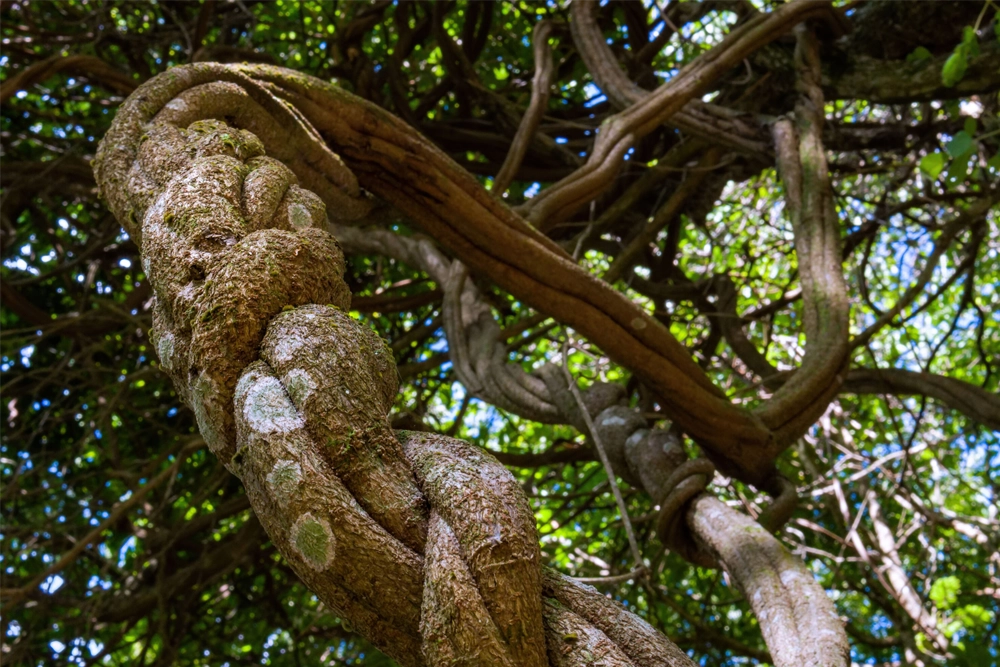
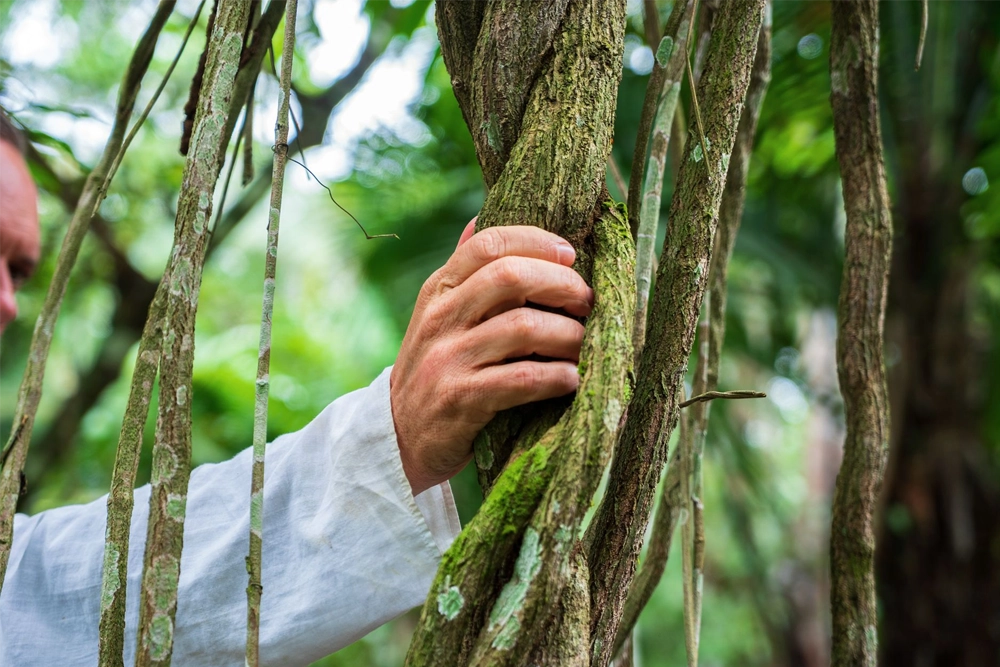
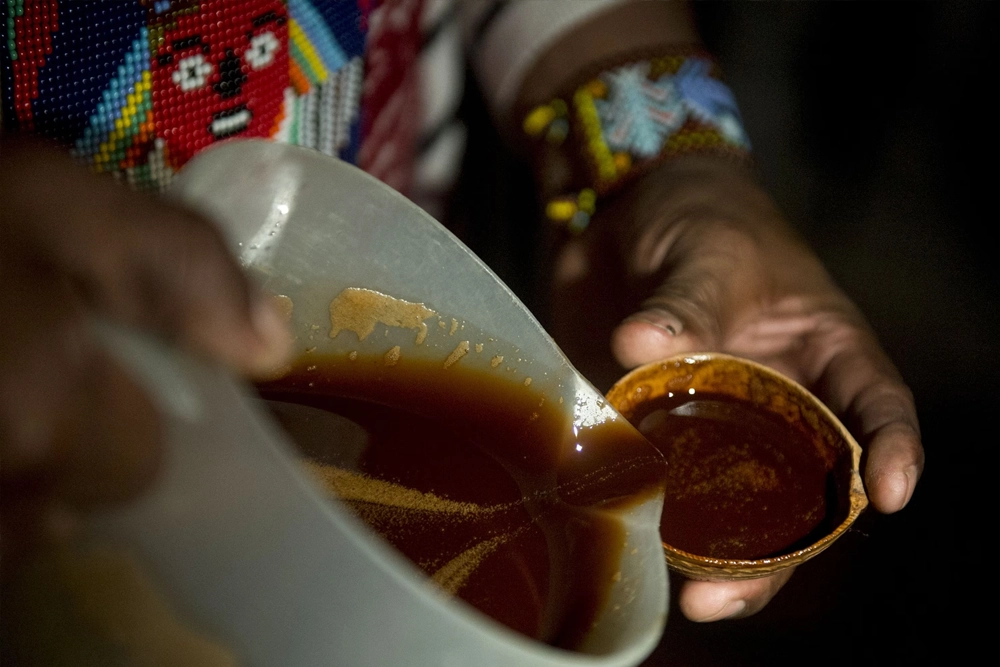
Ayahuasca itself is a traditional Amazonian brew, prepared from the Banisteriopsis caapi vine and usually combined with other plants such as chacruna leaves. The vine contains compounds that inhibit an enzyme called monoamine oxidase. Pharmacology literature links that property to the interactions between ayahuasca and certain medications, which is why screening comes first and not last.
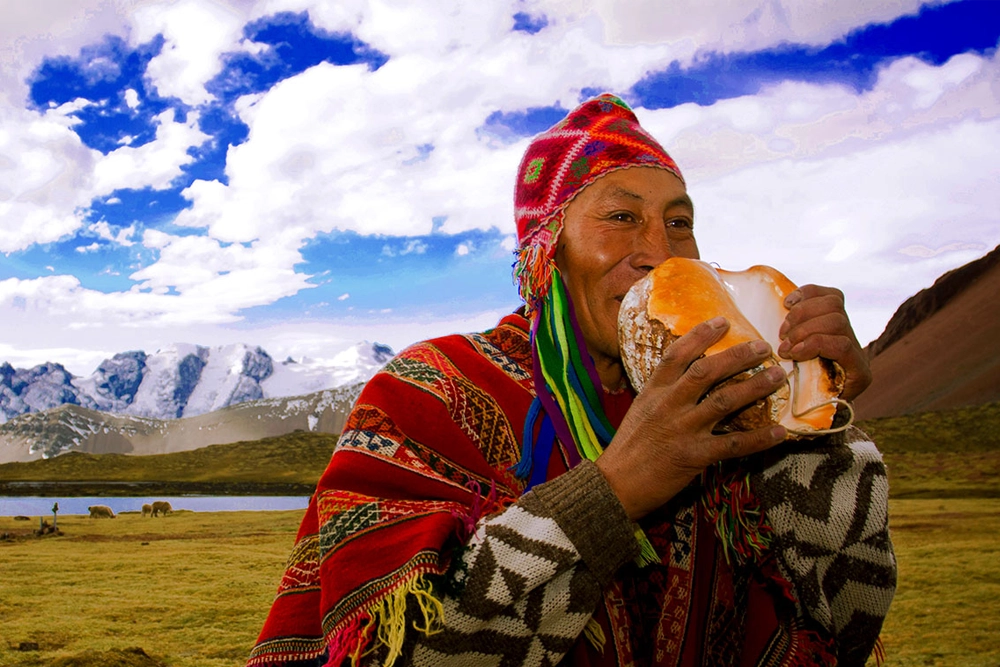
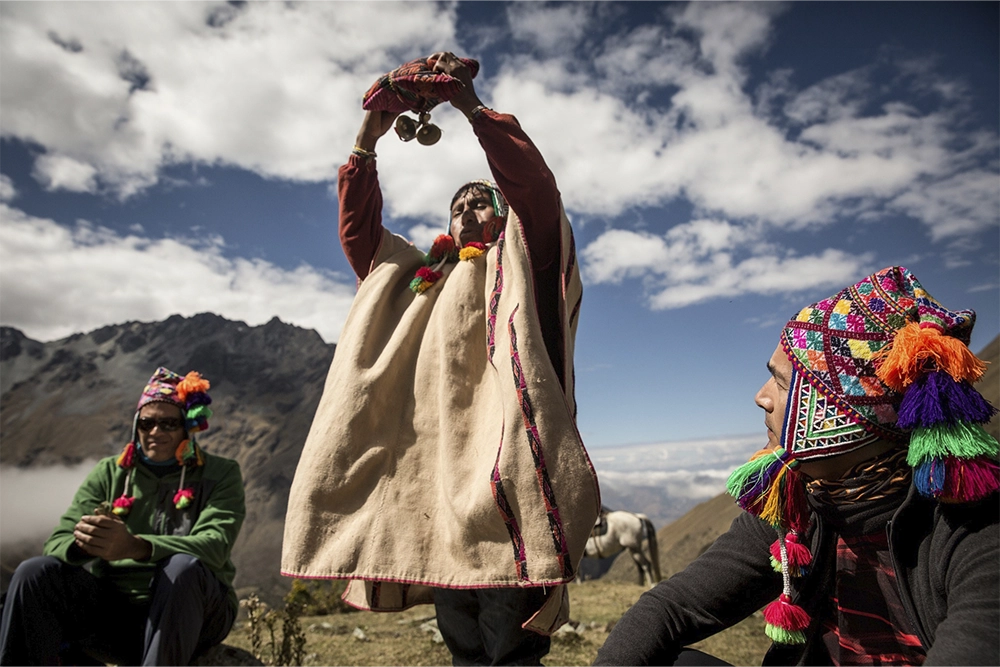
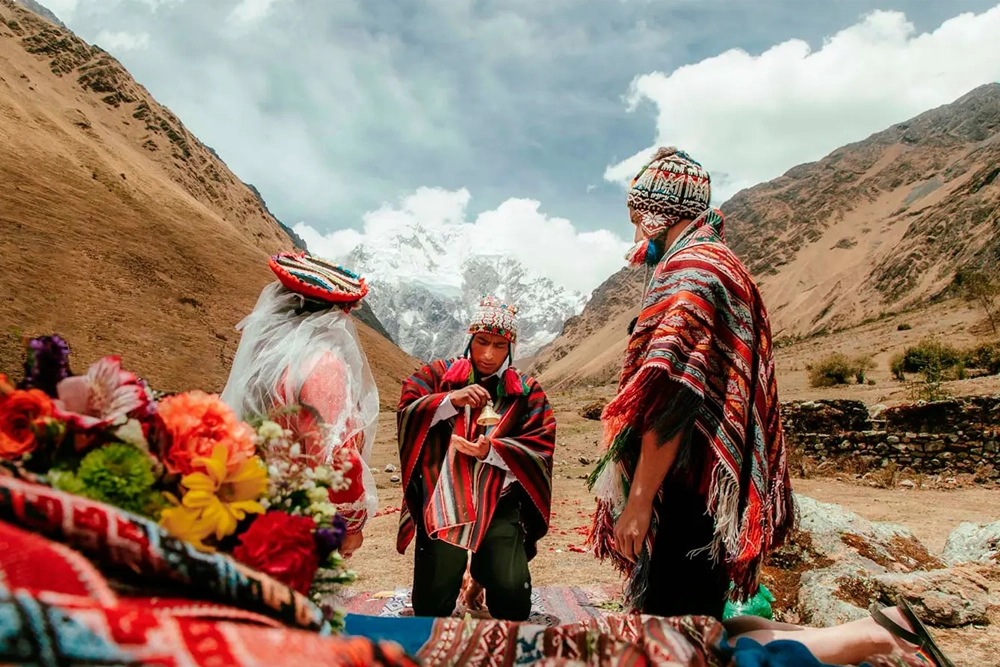
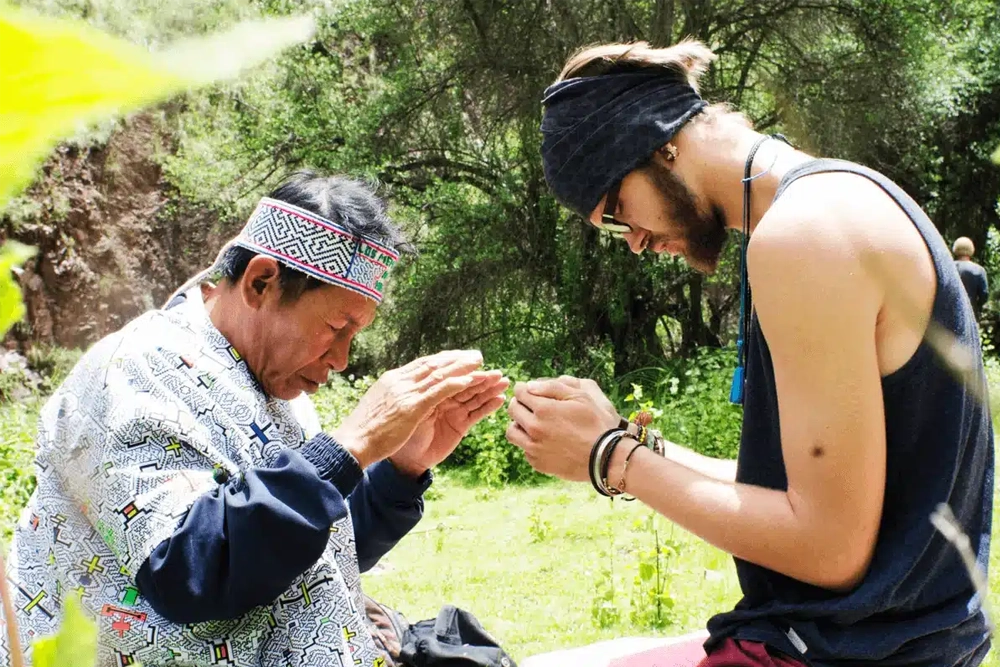
The ceremony offered by Peru Alive Tours is led by a Kuraq Hampiq, an Amazonian healer of the Machiguenga tradition from the Machiguenga native community. “Kuraq Hampiq” is a local title for masters of higher hierarchy. Knowing who leads the night is part of ayahuasca preparation, because it tells you whose guidance you are following.
Historical Background
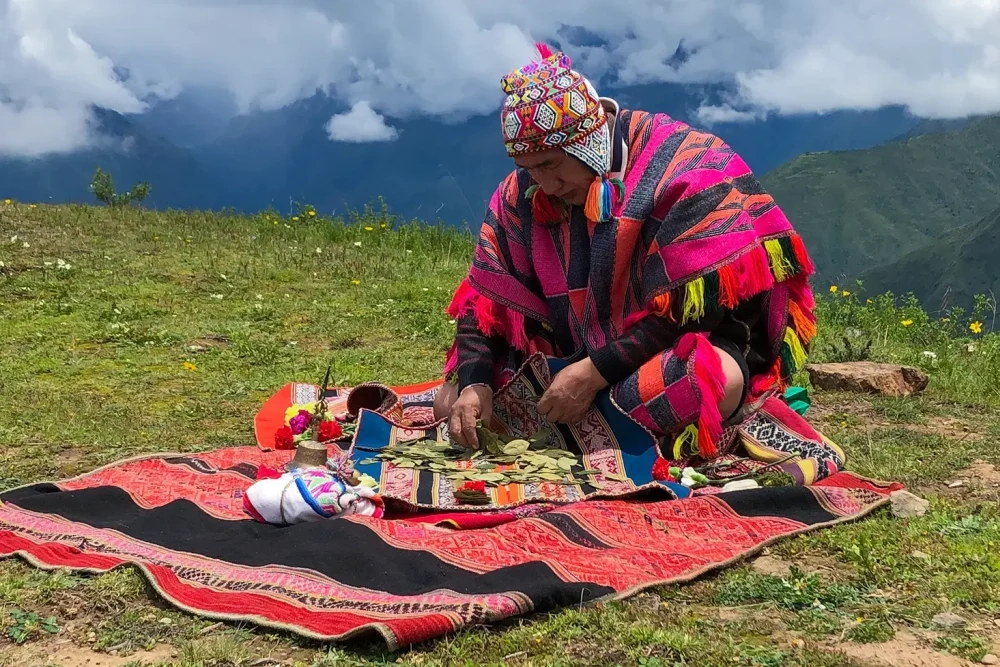
Amazonian peoples have used ayahuasca for generations in healing and community rituals. The Machiguenga, also written Matsigenka, live in the southeastern Peruvian Amazon, and their healers carry knowledge of plants that outsiders cannot learn from a book. Think of it as an oral library: each healer is both the librarian and the only copy of certain volumes.
In recent decades, international travelers have started arriving in Peru specifically for these ceremonies. That shift raised the stakes for preparation. A tradition that once passed between neighbors now meets visitors who bring different medications, different expectations and different languages.
Why It Matters Today
Preparation matters because the brew affects the body and the mind for several hours, and participants cannot pause the experience once it begins. Responsible facilitators therefore ask for medical and psychological information in advance. Travelers who skip that conversation limit the facilitator’s ability to adapt the night to their needs.
Here is what most guides leave out: the strongest preparation is subtraction. You remove distractions, stimulants, heavy food and crowded schedules. The ceremony then has room to be the main event of your week, not one more item on a packed itinerary.
The Sacred Valley and Cusco Context
Altitude shapes every logistical decision. Urubamba sits at roughly 2,870 meters (about 9,400 feet) above sea level, and Cusco sits near 3,400 meters. Travelers who arrive directly from sea level can feel soroche, or altitude sickness, which overlaps with the fatigue and nausea they may already fear from the ceremony. Spacing the days apart keeps those two experiences separate.
Peru Alive Tours operates from its main office in Urubamba and a branch in San Blas, Cusco. The team coordinates arrival, rest days and ceremony logistics from the same valley where the ceremony takes place, and the founder, Wilbert Yucra Choqqucunsa, holds official guide card No. 627 issued by DIRCETUR Cusco.
Key fact: Ayahuasca contains monoamine oxidase inhibitors, and combining it with certain antidepressants and other medications can be dangerous. Never stop prescribed medication on your own. Discuss your plans with your prescribing doctor first.
Want to explore how this applies to your trip? Check the FAQ section or ask Peru Alive Tours on WhatsApp.
2. Proven Benefits of Getting Ready Before an Ayahuasca Ceremony
Quick answer: Getting ready before an ayahuasca ceremony improves safety through health screening, gives your intention a clear shape, keeps your body comfortable, shows respect to the tradition and makes integration easier afterward. Travelers who prepare also give their facilitator the information needed to guide the night well.
1. Safer Participation Through Screening
Screening is the single most protective step. A conversation about your medical history, psychiatric history and current medications lets you and your doctor decide whether participation is appropriate. Standard practice among responsible operators includes asking these questions before confirming a booking.
For example, a traveler who takes a daily antidepressant discovers the issue weeks ahead, not on the afternoon of the ceremony. That timing leaves room to consult the prescribing doctor and, if needed, to change plans without pressure.
2. A Clearer Intention
An intention works like a compass, not a map. It does not predict what you will see or feel, but it gives you a direction to return to when the experience becomes intense. Travelers who write theirs in advance tend to describe the night in more coherent terms afterward.
3. Physical Comfort in a Cold Climate
Night temperatures in the Sacred Valley drop well below daytime levels, and ceremonies run for hours. Packing layers, a blanket and a headlamp keeps your attention on the experience and off your shivering. Comfort is not a luxury here; it is part of staying present.
4. Fewer Logistical Surprises
A confirmed arrival date, an acclimatization plan and a free day after the ceremony remove the usual stressors. You avoid rushing to a train, a flight or a trek the next morning while your body still recovers.
5. Respect for the Tradition
Preparation signals that you treat the ceremony as a sacred practice and not as an attraction. Following the diet, arriving on time and asking questions with humility all show that. Healers notice, and the atmosphere in the circle reflects it.
6. Smoother Integration Afterward
Integration means turning what you experienced into lasting choices. A journal prepared in advance, a quiet day booked afterward and a trusted person to talk with all support that process. Planning those elements before the night is far easier than improvising them the morning after.
7. Expert Insight: Preparation Shapes Trust in the Circle
Here is the benefit travelers rarely expect: preparation builds trust with the facilitator before the night begins. When you have answered health questions honestly, shared your intention and met the team, you enter the ceremony knowing that someone understands your situation. That sense of being known lowers anxiety more reliably than any breathing trick learned online.
Verified data: According to pharmacology literature, the monoamine oxidase inhibiting compounds in the ayahuasca vine are the reason medication review is a standard first step in responsible preparation.
Want to maximize these benefits on your trip? Let Peru Alive Tours plan your experience.
3. How to Prepare for an Ayahuasca Ceremony: Step-by-Step Guide
Quick answer: The 6 steps of ayahuasca preparation are: 1. Review your health and medications with your doctor. 2. Learn the tradition and ask the facilitator questions. 3. Follow the diet. 4. Write your intention. 5. Pack for a cold night. 6. Plan arrival, rest and recovery days around the ceremony.
Step 1: Review Your Health and Medications
Goal: Confirm with qualified professionals that participation is appropriate for your body and mind.
Process:
- Book a visit with your own doctor
- List every medication and supplement you take
- Share your medical and psychiatric history honestly
Estimated time: One to two weeks, depending on doctor availability.
Tools: A written medication list, your doctor’s notes and the health questionnaire from your tour operator.
Expert tip (Level 3): Bring the exact name and dose of each medication to the appointment, not a general description. Doctors can only assess interactions with a monoamine oxidase inhibitor when they see the full list. Never stop or change a prescription without your doctor’s direction.
Step 2: Learn the Tradition and Ask Questions
Goal: Understand who leads the ceremony, how it unfolds and what is expected of you.
Process:
- Ask who leads the ceremony and from which tradition
- Ask what happens before, during and after the night
- Ask about safety protocols and group size
Estimated time: One to two hours of reading and messaging.
Tools: Written questions, WhatsApp or email to the operator.
At Peru Alive Tours, a Kuraq Hampiq of the Machiguenga tradition leads the ayahuasca ceremony. Ayahuasca is an Amazonian tradition, so expect Amazonian songs, plants and protocols and not an Andean format. Other Peru Alive ceremonies, such as those led by a Q’ero master or an Aymara master, follow different traditions, so ask which one applies to your booking.
Peru Alive Tours also works with Mick Stemborski, a Licensed Clinical Therapist (license BBH-LCPC-LIC-1103, Montana). He is not a medical doctor, and his role does not replace a physician’s review of your medications.
Step 3: Follow the Diet and Lifestyle Guidance
Goal: Arrive with a clean, quiet body that responds predictably.
Process:
- Request the written diet from your facilitator
- Reduce alcohol, stimulants and heavy or processed food
- Keep the last meal before the ceremony light
Estimated time: Starts several days before; exact length [TO BE CONFIRMED BY CLIENT].
Tools: The facilitator’s diet list and a simple food diary.
Traditional diets commonly limit alcohol, recreational drugs, pork, fermented or aged foods, and excess salt, sugar and caffeine. Practices differ between healers, so follow the list your own facilitator gives you instead of a generic internet checklist. On the day, Peru Alive ceremonies include various herbal teas before the ceremony and a light breakfast at dawn. They do not include lunch or dinner on the following day, so plan those meals yourself.
Common mistake: Treating the diet as optional because “a few drinks the night before” seems harmless. Alcohol and certain foods can interact with the brew and increase discomfort. The solution is to follow your facilitator’s written list from the first day it applies.
Step 4: Write Your Intention
Goal: Give the experience a direction without demanding a specific outcome.
Process:
- Write what you want to understand, not what you want to see
- Reduce it to one or two honest sentences
- Read it aloud once the day before
Estimated time: Thirty minutes on three separate days.
Tools: A journal, a pen and a quiet place.
Ayahuasca intention setting works best when the wording is open. “I want to understand why I keep avoiding rest” leaves room for any answer. “I want to be cured of my anxiety” demands a result and can leave you disappointed even when the night teaches you something real.
Expert tip (Level 3): Write a second sentence describing how you want to treat yourself during difficult moments, for example “I will stay curious and keep breathing.” Travelers often return to that line when the experience feels intense.
Step 5: Pack for a Cold Night
Goal: Remove physical discomfort so your attention stays on the ceremony.
Process:
- Pack loose, warm, comfortable clothing in layers
- Add a headlamp, water bottle and journal
- Confirm with the operator what the venue provides
Estimated time: One hour, two days before.
Tools: The checklist in the next section.
For ayahuasca ceremony what to bring, the core list includes:
- Loose, warm layers and a hat
- Warm socks and comfortable shoes
- Headlamp or small flashlight
- Refillable water bottle
- Journal and pen
- Tissues and personal toiletries
- A change of clothes for the morning
Bedding, mats, buckets and other items depend on the venue, and Peru Alive Tours confirms what is provided when you book [TO BE CONFIRMED BY CLIENT: provided items].
Step 6: Plan Arrival, Rest and Recovery
Goal: Protect your energy before the night and your integration after it.
Process:
- Arrive in Cusco or the Sacred Valley several days early
- Keep the day of the ceremony free of tours
- Leave the following day open for rest
Estimated time: At least three days around the ceremony.
Tools: Your itinerary, a calendar and a message to your operator.
Avoid scheduling a Machu Picchu train, a long bus ride or a flight on the morning after the ceremony. Rest, hydrate and eat gently once breakfast ends. Protect your wider trip, too: Peru Alive’s insurance does not cover adventure activities such as rafting or horseback riding, so if you plan those, buy personal travel insurance that covers them.
Need help choosing the right tour for your trip?
Do not guess your way through screening, diet and logistics. Peru Alive Tours designs personalized experiences.
Contact Peru Alive Tours on WhatsApp
We explain everything before you decide · Offices in Urubamba and Cusco
4. Key Factors to Evaluate Before Your First Ayahuasca Ceremony
Quick answer: Seven factors decide how ready you are: medical eligibility, medication interactions, facilitator and tradition, diet, intention clarity, packing and comfort, and the time you reserve for recovery. Evaluate each one before you pay a deposit, because a weak factor is easier to fix in advance than on the night.
| Key Factor | Importance | How to Evaluate | Expected Impact |
|---|---|---|---|
| Medical eligibility | Critical | Complete a written health questionnaire and discuss it with your own doctor | A clear decision on whether participation is appropriate |
| Medication interactions | Critical | Give your doctor the full list of prescriptions and supplements | Early detection of dangerous combinations |
| Facilitator and tradition | High | Ask who leads, from which community and with what training | Confidence that the ceremony follows a genuine lineage |
| Diet | High | Request the written list and check it against your usual eating habits | A calmer body and fewer avoidable discomforts |
| Intention clarity | Medium | Read your intention aloud; check that it asks for understanding, not a result | A steady reference point during intense moments |
| Packing and comfort | Medium | Compare your bag with the checklist and the venue’s provided items | Warmth and focus through a cold night |
| Recovery time | High | Check that the next day carries no train, flight or tour | Rested integration and safer travel afterward |
How to Prioritize Based on Your Situation
Rank the factors by risk, not by interest. Medical eligibility and medication interactions always come first, because no amount of diet discipline or intention work compensates for an unsafe combination. Only after a doctor confirms your health picture does it make sense to refine the other five factors.
Next, weigh your own pattern. First-timers benefit most from facilitator questions and recovery time, because the unknown causes most of the anxiety. Experienced participants often focus on the diet and the intention. Peru Alive Tours, based in Urubamba, recommends that every participant reserve at least one full day on each side of the ceremony.
Need a personalized recommendation for your trip? Request a consultation from Peru Alive Tours.
5. Traveler Scenarios: How Preparation Changes the Outcome in the Sacred Valley
Quick answer: Three representative scenarios show how first ayahuasca ceremony preparation changes outcomes: a nervous first-timer who clarifies the unknown, a traveler on medication who screens early, and a trekker who protects recovery time. These are composite scenarios, not individual testimonials, and they use no invented statistics.
Scenario 1: The Nervous First-Timer
Context: A solo traveler books a ceremony after reading online stories and feels anxious about losing control.
Challenge: The traveler cannot picture the evening, so every unknown becomes a worry.
Solution: The traveler messages the operator, asks for the schedule, learns who leads the night and writes a short intention. Knowing the sequence turns an abstract fear into a manageable plan.
Results:
- Arrives with every question answered
- Carries a short written intention
- Reports less anticipatory anxiety
Key lesson: Fear shrinks when it receives specific information. Ask for the sequence of the night, not reassurance.
Scenario 2: The Traveler on Daily Medication
Context: A traveler takes a prescription antidepressant and books without mentioning it.
Challenge: The health questionnaire flags the medication, and the interaction risk with a monoamine oxidase inhibitor becomes the central question.
Solution: The traveler discusses the plan with the prescribing doctor, follows that doctor’s advice and agrees with the operator to postpone if the answer is not clear. Peru Alive Tours does not give medical advice and defers to the doctor.
Results:
- Risk identified weeks before travel
- Decision made with a doctor
- No pressure to proceed on the day
Key lesson: Postponing is a valid outcome. A safe decision made early protects both the traveler and the circle.
Scenario 3: The Trekker Who Packs Too Much Into One Week
Context: A traveler schedules the ceremony on the night before an early train to Machu Picchu.
Challenge: The ceremony ends at dawn, leaving no time for sleep, food or a gentle morning.
Solution: The team recommends moving the train to a later day and adding a rest day in Urubamba. The traveler spends that day journaling and eating simple meals.
Results:
- Full rest day after the ceremony
- Machu Picchu visit shifted without penalty to mood
- Journal completed while memories were fresh
Key lesson: Treat the ceremony as the anchor of your week and build the itinerary around it, not the reverse.
Common mistakes observed:
- Hiding a medication. Disclose everything to your doctor and operator.
- Skipping the diet. Ask for the written list and follow it.
- Copying someone else’s intention. Write your own words.
- Arriving the same day as a long flight. Arrive days early.
- Booking travel for the next morning. Reserve a recovery day.
Want a similar level of preparation? Discover how Peru Alive Tours can help you.
6. Best Practices and Mistakes to Avoid Before an Ayahuasca Ceremony
Quick answer: The best practices before an ayahuasca ceremony are honest disclosure, written guidance, a simple diet, a quiet mind and a protected schedule. The most damaging mistakes are hiding medications, copying online rituals, ignoring the facilitator’s instructions and treating the ceremony as entertainment instead of a sacred practice.
What You SHOULD Do
- Disclose everything. Tell your doctor and operator about medications, diagnoses and past experiences. Complete information lets them protect you.
- Ask for instructions in writing. Written diet and arrival notes remove guesswork. Save them on your phone.
- Reduce stimulation. Cut screen time, news and social media in the days before. A quieter mind hears the ceremony more clearly.
- Practice slow breathing. Five minutes a day builds a habit you can use at night. Breath is the tool you carry in with you.
- Acclimatize first. Spend days at altitude before the night. Soroche and ceremony fatigue should not collide.
- Tell one person at home. Share your dates and contact details with a trusted friend. Someone should know where you are.
- Respect the circle. Arrive on time, follow instructions and keep your phone away. The group depends on shared calm.
- Book recovery time. Keep the day after free of tours. Integration needs space, not an agenda.
What You Should NOT Do
- Do not hide medications. Interactions can be dangerous. Always share the full list.
- Do not stop prescriptions on your own. Sudden changes carry their own risks. Follow your doctor’s guidance.
- Do not mix substances. Alcohol and recreational drugs complicate the experience. Avoid them as instructed.
- Do not chase a particular vision. Expectations create disappointment. Stay open to whatever the night teaches.
- Do not treat the ceremony as a photo opportunity. It is a sacred practice. Leave cameras at the hotel.
- Do not assume legal clarity. Peru Alive does not provide legal advice. Rules on traditional plant medicines differ from country to country, so check the regulations of your home country, including what you may carry or bring back, and consult your own doctor and, if needed, a legal adviser before you travel.
Advanced strategy (Level 3): Rehearse the morning after. Decide in advance where you will sit, what you will eat and whom you will message. Integration begins in the first hour after the ceremony, and travelers who plan it avoid making big decisions while still raw.
Quick Checklist
- Doctor consulted and medications reviewed
- Diet list received and followed
- Intention written in two sentences
- Bag packed with warm layers and headlamp
- Recovery day reserved after the ceremony
Want expert guidance for your Sacred Valley itinerary? Request a review from Peru Alive Tours.
7. Current Trends in Ayahuasca Preparation and Spiritual Tourism
Quick answer: Current trends in ayahuasca preparation point toward stricter medical screening, smaller groups, clearer disclosure about who leads the ceremony and more attention to integration afterward. Travelers increasingly ask operators for written protocols and credentials before booking, and responsible Sacred Valley operators are adapting to that expectation.
Innovations in Adventure and Spiritual Tourism
Travelers currently research ceremonies much more carefully than in the past. They compare operators, read about the facilitator’s background and expect written health questionnaires. Spiritual tourism in the Sacred Valley now sits alongside adventure activities such as rafting and horseback riding, so itineraries mix quiet and physical days more often.
That mix creates a planning challenge. The Urubamba River offers rafting, the valley’s terraces invite long rides and Machu Picchu draws daily crowds, yet a ceremony needs calm on both sides. Operators like Peru Alive Tours sequence these activities so that adrenaline days come before or well after the night, not around it.
Market Evolution in Cusco and the Sacred Valley
Local operators report a steady move toward transparency. Questions that were rare in the past, such as who leads the ceremony and which community they belong to, now appear in the first message. Peru Alive Tours answers them directly: a Kuraq Hampiq of the Machiguenga tradition leads the ayahuasca ceremony, and the founder holds DIRCETUR guide card No. 627.
Responsible travel is also changing the conversation. Visitors increasingly ask how a ceremony benefits the communities that carry the knowledge. For broader context on responsible tourism, the UN Tourism organization publishes guidance on sustainable visitor practices, and Peru’s tourism authority, MINCETUR, lists official information for visitors.
Short- and Medium-Term Outlook
- Written health questionnaires will become standard. Responsible operators already treat them as mandatory.
- Travelers will demand credentials. Guide cards and named facilitators will matter more than slogans.
- Groups will stay small. Smaller circles allow closer attention to each participant.
- Integration support will expand. Quiet days and journaling prompts will become part of packages.
- Expert insight: preparation will start before booking. Travelers who consult their doctor first will choose operators that respect that sequence.
Strategic advice: Send your medication list and your questions to your operator before paying a deposit. The quality of the reply tells you how seriously they take preparation.
Expected Impact in Cusco and the Sacred Valley
Stricter preparation protocols are shifting the Sacred Valley market toward fewer, better-prepared participants per ceremony. Operators that explain their process, name their facilitators and set clear limits on who may participate build lasting trust with international travelers and with the communities whose traditions they present.
Ready to experience the Sacred Valley the way responsible travelers now plan it? Let Peru Alive Tours design your trip.
Frequently Asked Questions About Preparing for Ayahuasca
Peru Alive Tours compiled the most common questions about ayahuasca preparation in the Sacred Valley and Cusco:
What is an ayahuasca ceremony?
Short answer: An ayahuasca ceremony is a guided Amazonian ritual in which participants drink a sacred plant brew under the care of a traditional healer.
The ceremony usually takes place at night in a prepared space, with songs, silence and individual care from the facilitator. At Peru Alive Tours, a Kuraq Hampiq of the Machiguenga tradition leads the night. Participants prepare beforehand through screening, diet and intention setting.
What is ayahuasca made from?
Short answer: Ayahuasca is traditionally made from the Banisteriopsis caapi vine, usually combined with other Amazonian plants such as chacruna leaves.
The vine contains compounds that inhibit monoamine oxidase, an enzyme that processes certain substances in the body. Pharmacology literature connects that property with medication interactions, which is why a doctor’s review belongs at the start of any preparation plan.
What is a Kuraq Hampiq?
Short answer: Kuraq Hampiq is a local title for healers and masters of higher hierarchy.
Peru Alive Tours works with a Kuraq Hampiq, an Amazonian healer of the Machiguenga tradition from the Machiguenga native community, to lead the ayahuasca ceremony. Other Peru Alive ceremonies are led by a Q’ero master, an Aymara master or a Machiguenga healer, depending on the type of ceremony.
How do I prepare physically for an ayahuasca ceremony?
Short answer: Review your health with your doctor, follow your facilitator’s diet, avoid alcohol and stimulants, sleep well and arrive hydrated and rested.
Physical preparation also includes acclimatizing to altitude. Spend a few days in Cusco or the Sacred Valley before the night so that soroche does not add fatigue. Eat lightly on the day of the ceremony, as your facilitator instructs.
How do I set an intention for an ayahuasca ceremony?
Short answer: Write one or two honest sentences about what you want to understand, then keep the wording open instead of demanding a specific result.
Start from a question such as “What am I avoiding?” and refine it over several days. Read it aloud the day before the ceremony. Avoid intentions that depend on dramatic visions or instant cures, because expectations often distort the experience.
What should I bring to an ayahuasca ceremony?
Short answer: Bring warm loose layers, a headlamp, a water bottle, a journal, tissues and a change of clothes for the morning.
Night temperatures in the valley fall well below daytime levels, so layers matter. Confirm with Peru Alive Tours what the venue provides, such as bedding, before you pack [TO BE CONFIRMED BY CLIENT: provided items].
How long before an ayahuasca ceremony should I follow the diet?
Short answer: The length depends on your facilitator, so ask for the written diet and its start date when you book.
Traditions differ, and a generic internet timeline can conflict with your healer’s guidance. Peru Alive Tours provides the diet for its ceremonies [TO BE CONFIRMED BY CLIENT: diet duration]. Follow that list from the first day it applies.
Can I take antidepressants before an ayahuasca ceremony?
Short answer: Discuss it with your prescribing doctor first, because ayahuasca can interact dangerously with certain antidepressants.
Never stop or change medication on your own. Your doctor can explain the risks and any safe approach to your treatment. Peru Alive Tours does not give medical advice and recommends postponing when the answer is unclear. For general health information, see the National Center for Complementary and Integrative Health.
Why should I prepare before an ayahuasca ceremony?
Short answer: Preparation improves safety, comfort and clarity, and it shows respect for the tradition.
Screening identifies risks before the night, a diet quiets the body, an intention gives direction and good packing keeps you warm. Travelers also give the facilitator the information needed to guide them well. Skipping preparation removes all of those protections at once.
How much does an ayahuasca ceremony cost with Peru Alive Tours?
Short answer: Prices are in US dollars per person and drop as the group grows, so ask for a quote for your group size.
Each Peru Alive service requires a minimum of two or three participants. The per-person price is lower for larger groups. The exact ceremony price is [TO BE CONFIRMED BY CLIENT]. Message the team with your dates and group size to receive the current figure.
What meals are included in an ayahuasca ceremony?
Short answer: Peru Alive ceremonies include various herbal teas before the ceremony and a light breakfast at dawn.
Lunch and dinner of the following day are not included. Plan those meals in advance, choose gentle foods and keep hydrating. The same meal structure applies to San Pedro ceremonies.
How many days should I spend in Cusco before an ayahuasca ceremony in the Sacred Valley?
Short answer: Plan at least two or three days at altitude before the ceremony so your body adjusts.
Cusco sits near 3,400 meters and Urubamba near 2,870 meters. Many travelers adjust better by resting in the lower Sacred Valley. Keep early days light, drink water and avoid alcohol. Your operator can tailor the sequence to your arrival time.
Is ayahuasca legal in Peru?
Short answer: Peru Alive does not provide legal advice, so check official sources and your home country’s rules before you travel.
Rules on traditional plant medicines differ from country to country, including what you may carry or bring back. Consult your own doctor and, if needed, a legal adviser. For official Peruvian visitor information, visit MINCETUR.
Which is better for a first ceremony: ayahuasca or San Pedro?
Short answer: Neither is better; they are different traditions, and the right choice depends on your health, intention and comfort.
Ayahuasca is an Amazonian tradition made from a vine and other plants, while San Pedro, also called Wachuma, comes from a cactus used in Andean traditions. Both require medical screening and preparation. Ask Peru Alive Tours to explain how each ceremony runs before you decide.
Do not see your question here?
The Peru Alive Tours team is ready to answer your specific questions.
Message Peru Alive Tours on WhatsApp
No commitment · Offices in Urubamba and Cusco
Common Voice Search Queries About Ayahuasca Preparation
Hey Google, how to prepare for ayahuasca ceremony?
Quick answer: Start with your doctor, follow the diet your facilitator gives you, write a short intention, pack warm clothes and a headlamp, and reserve a rest day afterward. Ask your operator for every instruction in writing so nothing depends on memory.
Most travelers do best when they begin several weeks ahead. Medical questions take the longest, so settle those first. Then add the diet, the intention and the packing in that order. Treat the week of the ceremony as a quiet week, not a busy one.
What should I wear to an ayahuasca ceremony?
Quick answer: Wear loose, warm, comfortable layers that let you sit, lie down and move easily. Add warm socks, a hat and a blanket if the venue allows. Choose plain clothing without tight waistbands, and bring a change for the morning.
Nights in the Sacred Valley feel colder than most travelers expect. Layers let you adjust as your body temperature changes during the hours of the ceremony. Avoid heavy perfume or strong scents, because other participants may be sensitive.
Where can I find an ayahuasca ceremony near me in the Sacred Valley?
Quick answer: Peru Alive Tours organizes ayahuasca ceremonies from its offices in Urubamba and San Blas, Cusco, led by a Kuraq Hampiq of the Machiguenga tradition. Contact the team by WhatsApp or email to confirm dates, group size and venue details.
The main office sits at Av. Vilcanota N°154 in Urubamba, and a branch operates at Calle Carmen Alto N°197 in San Blas. Meeting the team in person before the ceremony is an option for travelers who prefer to ask questions face to face.
Can I eat before an ayahuasca ceremony?
Quick answer: Eat lightly and follow your facilitator’s instructions on timing and foods. Peru Alive ceremonies include herbal teas before the ceremony and a light breakfast at dawn, so a heavy meal on the day is not necessary or advised.
A light meal earlier in the day, plenty of water and no alcohol give most people a calmer start. Ask for the exact instructions when you book, because they can vary between traditions and healers.
What do I do after an ayahuasca ceremony?
Quick answer: Rest, drink water, eat simple food and write in your journal while memories are fresh. Avoid big decisions, long travel and demanding activities for at least a day. Talk with someone you trust once you feel settled.
Lunch and dinner on the day after are not included in the Peru Alive program, so arrange simple meals nearby. Give yourself permission to do very little. Integration grows from calm days, not from packed ones.
Conclusion: Your Next Step Before the Ceremony
Preparation turns an intimidating unknown into a sequence of small, manageable decisions. You review your health, follow the diet, write your intention and pack for the cold, all within the context of a tradition that deserves respect. The Sacred Valley, from the Urubamba River to the terraces of Moray, then becomes the setting for a well-planned week.
Think of preparation as tuning an instrument before a concert. Nobody sees the tuning, yet everyone hears the difference. The same applies to before an ayahuasca ceremony: the quiet work you do in the preceding days shapes how steadily you meet the night. Contact Peru Alive Tours today and ask for the health questionnaire, the written diet and the schedule.
Recommended action for today: Book your doctor’s appointment and list your medications.
Knowing how to prepare for an ayahuasca ceremony means combining medical caution, a respectful attitude and practical planning. Peru Alive Tours guides travelers through each stage and arranges a ceremony led by a Kuraq Hampiq of the Machiguenga tradition. See photos and community updates on Instagram, Facebook and YouTube. For context on the region you will visit, the UNESCO World Heritage listing for Machu Picchu explains the wider Inca landscape.
Ready to Take the Next Step?
Peru Alive Tours operates from offices in Urubamba and San Blas (Cusco), with a team of local Sacred Valley specialists ready to design your experience. Reach out today and receive a personalized itinerary tailored to your interests and schedule. Bookings follow the cancellation policy on the Peru Alive page “Reasons to go with Peru Alive”: with 30 days or fewer before the start date, there is no refund.
Start Your Sacred Valley Journey with Peru Alive Tours
Our local team will help you plan the experience from Cusco or Urubamba.
Chat with Peru Alive Tours on WhatsApp
No commitment · We explain everything before you decide · Confidential
+51 999 878 807 · info@perualive.com · www.perualive.com