Executive Summary
Quick answer: Planning ayahuasca altitude Cusco safely means arriving at least two to three days before your ceremony, resting, hydrating and confirming with your own doctor that you are fit for both high elevation and plant medicine. Peru Alive Tours helps travelers sequence arrival, acclimatization and ceremony dates.
Key takeaways:
- Cusco sits at about 3,400 meters above sea level.
- Book the ceremony after acclimatization, never on arrival day.
- Altitude symptoms and ceremony effects can overlap and confuse each other.
- Medical screening comes before flights, not before the ceremony.
- Ayahuasca is an Amazonian tradition, practiced here with a Machiguenga healer.
Article data:
- Read time: 25 minutes
- Level: Beginner to Intermediate
- Verified by Peru Alive Tours, Sacred Valley specialists
- Based on 3 authoritative sources plus local operator practice
Landing in Cusco with a ceremony booked for the same night is the most common planning error we see. Your lungs have not adapted, your sleep is broken, and your body is already working hard. Most travelers do not realize that until the headache starts.
Understanding ayahuasca altitude Cusco logistics changes how you build your whole itinerary. Cusco and the Sacred Valley sit between roughly 2,800 and 3,400 meters, and an ayahuasca ceremony asks your body to handle fasting, fluids, and often a purge on top of thin air. Experienced Sacred Valley operators consistently report that arrival timing matters as much as the ceremony itself.
This guide shows you how altitude and plant medicine interact, how many days to allow, what to ask before you book, and how to avoid the mistakes that cost travelers their ceremony or their comfort. If you want a personal timeline after reading, message Peru Alive Tours on WhatsApp. Peru Alive Tours does not provide medical or legal advice, and nothing here replaces your own doctor.
Table of Contents
- What Is Ayahuasca Altitude Planning in Cusco? Definition and Context
- Proven Benefits of Acclimatizing Before an Ayahuasca Ceremony
- Step-by-Step Guide: When and How to Book
- Key Factors to Evaluate
- Traveler Scenarios in the Sacred Valley
- Best Practices and Mistakes to Avoid
- Current Trends
- Frequently Asked Questions
- Common Voice Search Queries
- Conclusion and Next Steps
Estimated time: 25 minutes | Mobile optimized
1. What Is Ayahuasca Altitude Planning in Cusco? Definition and Context
Quick answer: Ayahuasca altitude planning in Cusco is the process of timing your arrival, rest and acclimatization so your body is stable at about 3,400 meters before you take part in an ayahuasca ceremony. It protects your health and lets the ceremony be about the ceremony, not about altitude.
Ayahuasca and altitude in Cusco is a planning topic, not a single product. It is a type of travel preparation oriented toward visitors who come from low elevations and want to join a plant medicine ceremony in the Cusco region. It differs from ordinary tour planning because two physical stressors, thin air and a ceremony, can overlap.
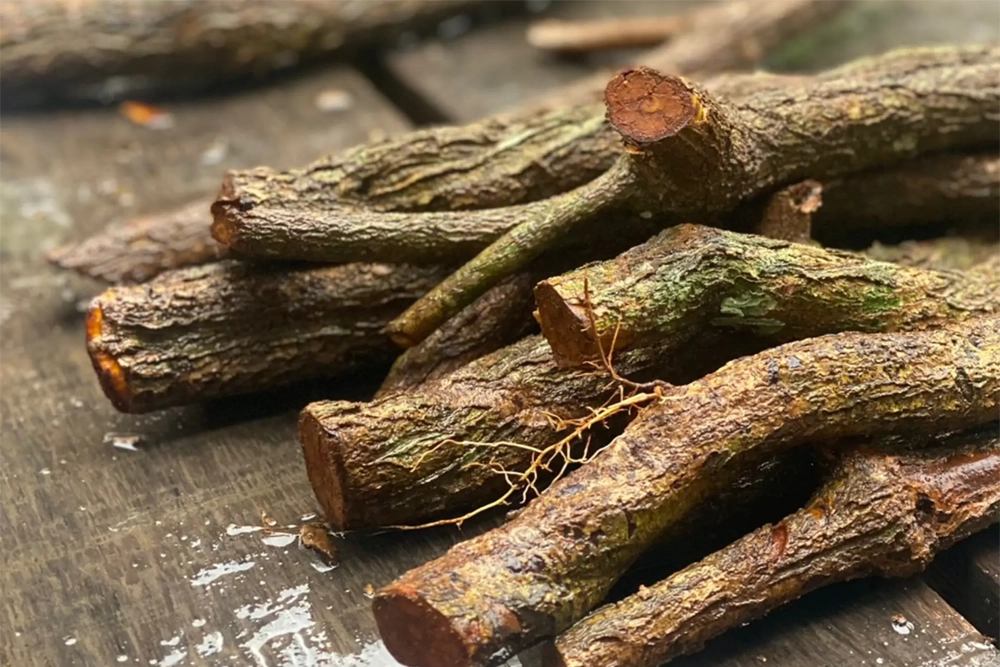
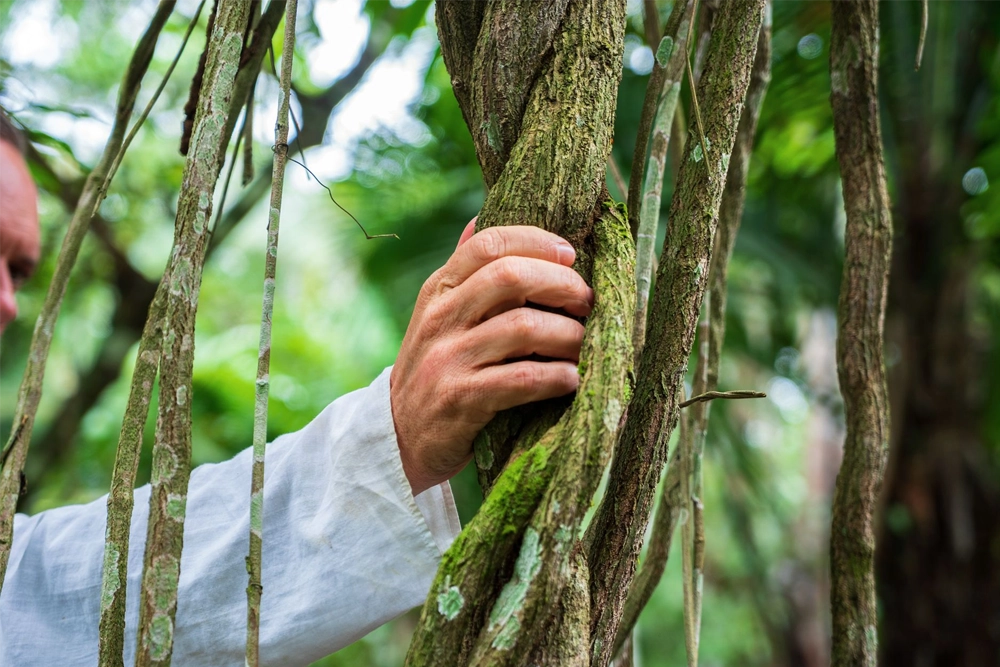
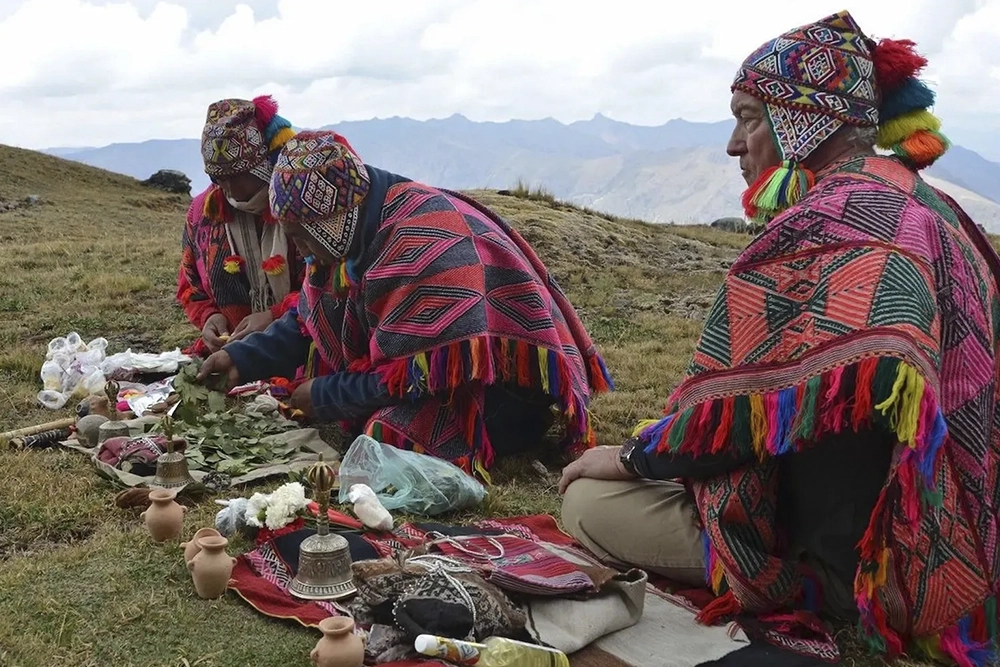
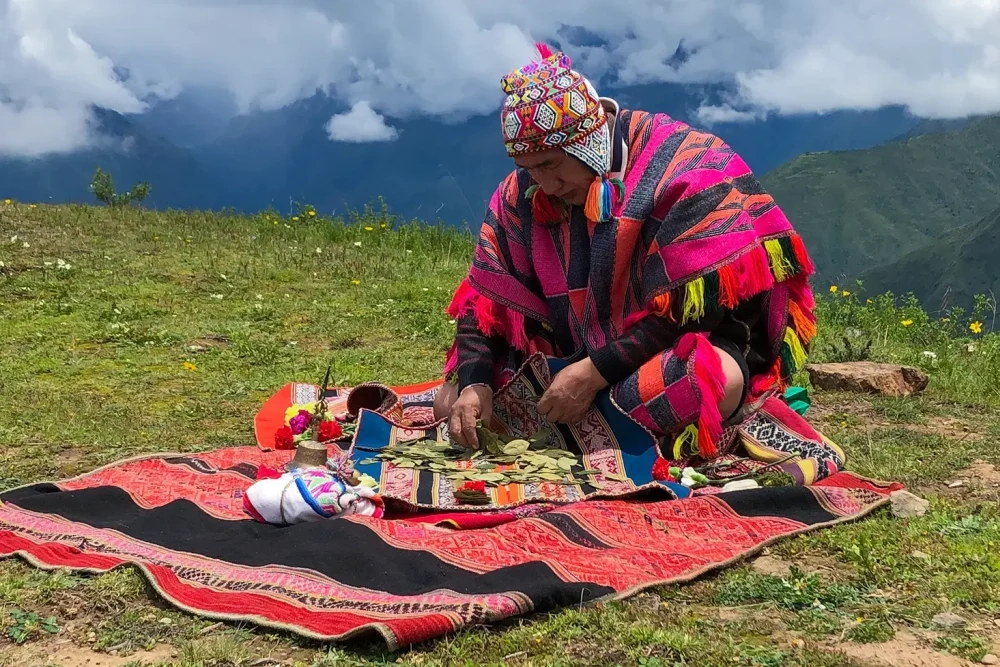
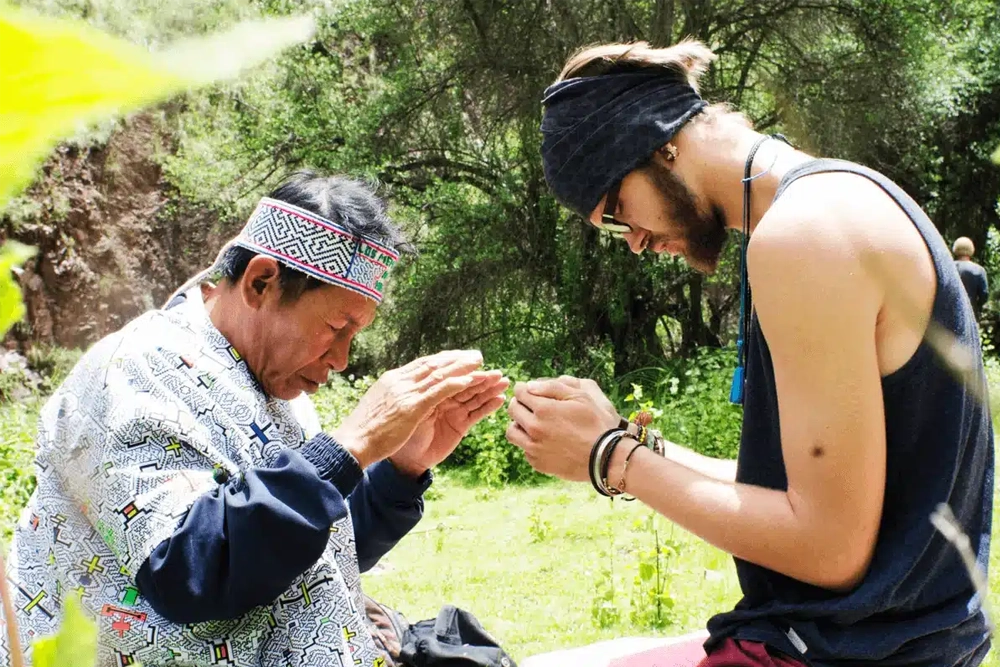
Ayahuasca itself is an Amazonian brew, traditionally prepared by combining the ayahuasca vine with other plants. Amazonian peoples have used it for generations in ceremonial and healing contexts. It is not an Andean practice, and treating it as one erases its origin. At Peru Alive Tours, the ayahuasca ceremony is led by a Kuraq Hampiq, an Amazonian healer of the Machiguenga tradition from the Machiguenga native community. Kuraq Hampiq is a local title for masters of higher hierarchy.
The altitude side is simple physics with complicated consequences. Air pressure falls as you climb, so each breath delivers less oxygen. Your body compensates by breathing faster and, over days, by adjusting how it carries oxygen. That adjustment cannot be rushed, which is why the calendar matters more than fitness.
Historical Background
For most of the past century, people who sought Amazonian plant medicine traveled to the rainforest. Over the past decade, ceremonies have also been offered in the Andes, close to the places travelers already visit. That shift brought convenience, and it brought a new risk: visitors now arrive by plane from sea level, sometimes within a day of their ceremony.
Think of acclimatization like letting a river settle after rain. Move too fast and everything stays clouded. Give it time and you can see what is actually there.
Why It Matters Today
Currently, most international travelers reach Cusco by air, which compresses the climb from sea level to over 3,000 meters into a few hours. Gradual ascent, the method mountaineers use, is replaced by an instant one. Experts in altitude medicine, including those cited by the US Centers for Disease Control and Prevention, advise that anyone ascending quickly can develop altitude illness regardless of age or fitness.
Here is the insight most guides miss: acute mountain sickness and a ceremony produce overlapping sensations, including nausea, dizziness, headache and fatigue. If you arrive unadapted, you cannot tell which is which. That uncertainty affects both your safety and your ability to receive the ceremony with a clear mind.
The Sacred Valley and Cusco Context
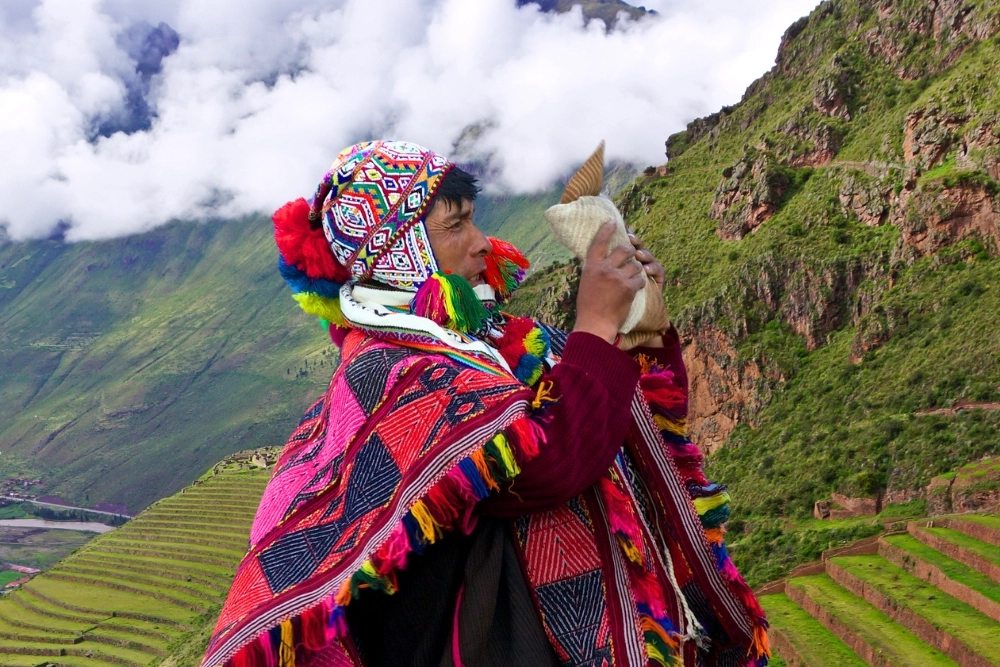
Cusco city sits at about 3,400 meters. Urubamba and Ollantaytambo in the Sacred Valley sit lower, at roughly 2,800 to 2,900 meters, and Machu Picchu sits near 2,430 meters. Local tourism analyses and DIRCETUR-registered operators like Peru Alive Tours report that many visitors feel more comfortable sleeping in the valley during their first nights.
Peru Alive Tours operates from offices in Urubamba and San Blas, Cusco, and founder Wilbert Yucra Choqqucunsa holds official guide card No. 627, issued by DIRCETUR Cusco. The team coordinates arrival logistics so that guests rest first and travel second. The exact elevation of each ceremony venue is [TO BE CONFIRMED BY CLIENT].
Key fact: Cusco lies at approximately 3,400 meters, high enough that travelers ascending rapidly from sea level can develop altitude illness, according to guidance from the US Centers for Disease Control and Prevention.
Want to explore how altitude affects your specific travel plans? Check the FAQ section or ask Peru Alive Tours on WhatsApp.
2. Proven Benefits of Acclimatizing Before an Ayahuasca Ceremony
Quick answer: Ayahuasca acclimatization reduces the chance that altitude sickness disrupts your ceremony. It improves sleep, hydration and energy, clarifies your own medical picture, and respects the healer and the other participants. Seven concrete benefits follow, from safer purging to a smoother rest of your Peru itinerary.
1. Altitude symptoms stay separate from ceremony effects
When you adapt first, a headache on ceremony night means something specific. Practitioners and guides can respond to what is actually happening. This clarity is the single biggest benefit, because it turns guessing into observation.
In practice, a traveler who has spent three nights in Urubamba knows their baseline: how they sleep, how they breathe on stairs, how they react to a meal. That baseline is the reference point everyone relies on when the ceremony begins.
2. Better sleep before a demanding night
Poor sleep is one of the most common altitude complaints, and ceremonies run through the night. Arriving rested lets you enter with reserves instead of a deficit. Travelers who rush often report spending the first night awake, then facing the ceremony on empty.
3. Safer hydration
Altitude increases fluid loss through faster breathing and dry air. A ceremony can add vomiting or diarrhea, which the Amazonian tradition treats as part of a process of release. Combined, they raise the risk of dehydration. A body that has already adjusted its fluid habits handles this better. Always follow your facilitator’s guidance on what to drink and when.
4. A more honest medical conversation
Time at altitude gives you a chance to notice whether your heart rate, breathing or blood pressure behave unusually, and to tell your own doctor before the ceremony. Travelers with heart conditions, high blood pressure, or those taking antidepressants or other prescription drugs should speak with a physician before booking anything. Some medications can interact dangerously with ayahuasca, and the decision belongs to you and your doctor, not to a tour operator.
5. Stronger integration afterward
Integration, the days of reflection after a ceremony, works best when your body is not simultaneously struggling with altitude. Calmer days in the valley after the ceremony support rest, journaling and quiet walks beside the Urubamba River.
6. Respect for the healer and the group
A ceremony is a shared space led by a Kuraq Hampiq. A participant who is unwell from altitude can pull attention from the group and from the healer. Arriving prepared is a form of respect toward the tradition and the other participants.
7. A smoother rest of your Peru itinerary (expert insight)
Most travelers also want Machu Picchu, Moray, the Maras salt pans or a day of rafting. Machu Picchu sits lower than Cusco, so sequencing it after an adaptation period often feels easier than the reverse. The non-obvious point: spending your acclimatization days in the Sacred Valley turns waiting time into sightseeing time, so you lose nothing by being patient.
Verified data: Standard practice among altitude-aware operators in the Sacred Valley is to schedule demanding activities only after guests have rested and shown stable symptoms.
Want to maximize these benefits on your trip? Let Peru Alive Tours plan your experience.
3. Step-by-Step Guide: When to Book Ayahuasca After Arriving in Cusco
Quick answer: The six steps to book ayahuasca after arriving in Cusco are: 1. consult your doctor, 2. choose dates around your full itinerary, 3. plan a quiet arrival, 4. acclimatize for at least two to three days, 5. confirm your symptoms are stable, 6. prepare for ceremony day with your facilitator.
Step 1: Consult your doctor before buying flights
Goal: Confirm that both altitude and plant medicine are appropriate for your health.
- Book a medical visit before your flights.
- List every medication and supplement you take.
- Ask directly about altitude and ayahuasca interactions.
Estimated time: One to three weeks, depending on appointment availability.
Tools: Your own physician, your pharmacist, and the health guidance on the US CDC travelers’ health page for Peru.
Expert tip: Bring the facilitator’s questionnaire to your appointment. A doctor answers better when they can see exactly what you intend to do.
Step 2: Choose dates around your whole itinerary
Goal: Place the ceremony after acclimatization, not before it.
- Write down your arrival date and flight time.
- Count backward from the ceremony, leaving rest days.
- Check Peru Alive’s cancellation terms before paying.
Estimated time: 30 to 60 minutes.
Tools: A calendar, plus a conversation with Peru Alive Tours about group dates, since each service requires a minimum of two or three participants.
Step 3: Plan a quiet arrival
Goal: Reduce the load on your body during the first 48 hours.
- Arrange airport pickup so you do not carry luggage uphill.
- Consider sleeping in the Sacred Valley first.
- Eat light meals and skip alcohol.
Estimated time: The first two days.
Tools: Peru Alive Tours transfers and lodging suggestions from the Urubamba office.
Expert tip: Walk slowly on arrival day, even if you feel fine. Symptoms often appear several hours after you reach altitude, usually in the evening or overnight.
Step 4: Acclimatize for at least two to three days
Goal: Give your body time to adapt before the ceremony.
- Spend days one and two on gentle walks only.
- Drink water steadily through the day.
- Track headache, sleep, appetite and breathing daily.
Estimated time: Two to three days as a common operator guideline. Peru Alive’s own minimum is [TO BE CONFIRMED BY CLIENT].
Tools: A simple symptom notebook and a conversation with your guide.
Step 5: Confirm your symptoms are stable
Goal: Decide with evidence whether to proceed or postpone.
- Review your notes the day before the ceremony.
- Report any persistent headache or nausea honestly.
- Accept a postponement if your body asks for one.
Estimated time: 15 minutes the day before.
Tools: Your notebook, and the Peru Alive team.
Common mistake: Booking the ceremony for the night you land because the trip is short. Solution: Add days to the trip instead of removing rest from it. If your schedule is fixed, choose a shorter altitude-free activity first and reschedule the ceremony, or ask Peru Alive Tours about alternatives.
Step 6: Prepare for ceremony day with your facilitator
Goal: Arrive at the ceremony fed, hydrated and calm.
- Follow the written preparation guidelines you receive.
- Rest during the afternoon.
- Bring warm layers for a cold Andean night.
Estimated time: The full day before and the day of.
Tools: Peru Alive’s preparation guidelines [TO BE CONFIRMED BY CLIENT: dietary and medication guidance]. Ayahuasca and San Pedro ceremonies include various herbal teas before the ceremony and a light breakfast at dawn. They do not include lunch or dinner on the following day, so plan your own meals.
Need help choosing the right dates for your trip?
Do not guess at altitude. Peru Alive Tours builds your timeline around your arrival and your health.
Contact Peru Alive Tours on WhatsApp
We explain everything before you decide · Offices in Urubamba and Cusco
4. Key Factors That Shape Ayahuasca Altitude Cusco Timing
Quick answer: Seven factors decide your timing: days at altitude, your arrival route, medical history, current symptoms, hydration and food, who leads the ceremony and how it runs, and the cancellation terms. Evaluate them together, because a strong result on one does not offset a weak result on another.
| Key Factor | Importance | How to Evaluate | Expected Impact |
|---|---|---|---|
| Days at altitude before the ceremony | Very high | Count nights slept above 2,500 meters before the ceremony date | More nights generally mean fewer disruptive symptoms |
| Arrival route | High | Compare flying straight to Cusco with a stop at lower elevation | A gradual route reduces the shock of rapid ascent |
| Medical history and medications | Very high | Review your full list with your own doctor before booking | Identifies conditions or drug interactions before travel |
| Current symptoms | High | Rate headache, nausea, sleep and breathing each morning | Shows whether to proceed, wait or seek medical care |
| Hydration and food | Medium | Track fluids daily and avoid alcohol and heavy meals | Supports energy and reduces dehydration risk |
| Ceremony leader and format | High | Ask who leads, their lineage, and how guests are screened | Confirms an authentic, accountable ceremony |
| Cancellation terms | Medium | Read the policy, since 30 days or fewer before the start date means no refund | Prevents surprises if you must postpone |
How to Prioritize Based on Your Situation
If you fly from sea level, give days at altitude the most weight. Nothing else compensates for a missing adaptation period. If you have a medical history, put your doctor first and your calendar second. A confident answer from a physician is worth more than an extra rest day.
Facilitator quality deserves equal attention. Peru Alive Tours works with a Kuraq Hampiq of the Machiguenga tradition, and other ceremonies are led by a Q’ero master, an Aymara master or a Machiguenga healer, depending on the ceremony type. Ask any operator the same questions: who leads, what tradition, and what screening happens. A reputable provider answers plainly.
Need a personalized recommendation for your trip? Request a consultation from Peru Alive Tours.
5. Traveler Scenarios in the Sacred Valley
Quick answer: Three common traveler situations show how ayahuasca altitude Cusco planning works in practice: a short trip from sea level, a traveler with past altitude headaches, and a group combining a ceremony with adventure activities. These are illustrative composite scenarios, not individual client testimonials.
Scenario 1: The short trip from sea level
Context: A traveler has seven days in Peru, lands in Cusco in the morning and wants the ceremony that first evening.
Challenge: The body has had no time to adapt, and the Urubamba valley, Machu Picchu and Cusco all compete for the same week.
Solution: Sleep in the Sacred Valley first, spend the first two days on easy visits to Ollantaytambo and Moray, and place the ceremony after the third night.
Results:
- Sleep stabilized before the ceremony.
- Machu Picchu visit placed after the ceremony.
- No itinerary days lost to illness.
Key lesson: A short trip needs a different order of activities, not a shorter rest.
Scenario 2: The traveler with past altitude headaches
Context: A visitor once developed severe headaches at altitude on a previous trip and worries it will recur.
Challenge: Soroche, the local name for altitude sickness, could affect both comfort and safety, and the traveler is unsure how it interacts with a ceremony.
Solution: Consult a doctor before flying, discuss preventive options with that doctor, arrive early and decide on the ceremony only after daily symptom checks.
Results:
- Medical advice obtained before departure.
- Symptom notes guided every decision.
- Ceremony postponed by a day when needed.
Key lesson: Past altitude experience is useful data, and the right response is to share it with your doctor and guide.
Scenario 3: A group pairing a ceremony with adventure
Context: Four friends want an ayahuasca ceremony, rafting on the Urubamba River and horseback riding in one week.
Challenge: Physical activity at altitude, plus a night ceremony, strains recovery. Peru Alive’s insurance does not cover adventure activities.
Solution: Buy personal travel insurance that covers adventure activities, schedule the ceremony before the rafting, and leave a full rest day in between. The rafting guide is certified by DIRCETUR Cusco, helmets and life jackets are NRS equipment, and the activity is rescheduled or rerouted if the river is high.
Results:
- Insurance confirmed before departure.
- Ceremony and adventure separated by rest.
- River conditions checked on the day.
Key lesson: Sequence the quietest, most inward activity first and the most physical one last.
Common mistakes observed:
- Booking the ceremony for arrival night; add rest days first.
- Drinking alcohol on the first evening; skip it until you adapt.
- Hiding medication from the facilitator; disclose everything honestly.
- Planning rafting the day after the ceremony; leave a rest day.
- Skipping travel insurance for adventure; buy personal coverage before travel.
Want a similar experience? Discover how Peru Alive Tours can help you.
6. Best Practices and Mistakes to Avoid with Ayahuasca Altitude Cusco Planning
Quick answer: Good practice combines medical screening, a gentle arrival, steady hydration and honest symptom reporting. The costliest mistakes are rushing the ceremony, ignoring medication risks and treating altitude as a fitness problem. When in doubt, add days, not activities.
What You SHOULD Do
- Arrive early. Extra days are the cheapest insurance you can buy against altitude illness.
- Sleep lower first. The Sacred Valley is lower than Cusco city, so many travelers feel better there initially.
- Drink water regularly. Sip through the day instead of drinking large amounts at once.
- Eat light, familiar food. Heavy meals make breathing and sleeping harder at elevation.
- Disclose your full medical list. The facilitator can only protect you with accurate information.
- Keep activity gentle. Walk slowly, and treat the first two days as rest, not sightseeing.
- Pack for cold nights. Andean evenings drop quickly, and a ceremony can last for hours.
- Buy personal travel insurance. Peru Alive’s insurance does not cover adventure activities, so protect yourself if you add rafting or riding.
What You Should NOT Do
- Do not rely on coca tea alone. Locals drink it daily, but it does not replace time. Check your home country’s rules on carrying coca products.
- Do not drink alcohol early. It worsens sleep and dehydration. Wait until after your ceremony period.
- Do not hide symptoms. Pretending to feel fine protects nobody. Tell your guide at the first sign of trouble.
- Do not assume fitness protects you. Athletes develop altitude illness too. Respect the timeline anyway.
- Do not ignore severe signs. Breathlessness at rest, confusion or loss of coordination call for descent and medical care at once.
- Do not choose a ceremony only on price. Ask who leads it and how guests are screened.
Advanced strategy (Level 3): Plan your sequence from the inside out. Place the ceremony in the middle of your Sacred Valley stay, with acclimatization days before and integration days after, then schedule Machu Picchu last. Because Machu Picchu sits lower than Cusco city, your body benefits from the earlier adaptation.
Quick Checklist
- Doctor consulted before flights are booked
- Arrival route and first nights planned
- At least two to three days before ceremony
- Medication list shared with the facilitator
- Insurance covers any adventure activity you add
Want expert guidance for your Sacred Valley itinerary? Request a review from Peru Alive Tours.
7. Current Trends in Ayahuasca Altitude Cusco Travel
Quick answer: Current trends in ayahuasca altitude Cusco travel favor longer stays, medical screening, indigenous-led ceremonies and acclimatization built into itineraries. Travelers increasingly ask who leads a ceremony and what tradition it belongs to, and operators that answer clearly earn trust.
Innovations in Adventure and Spiritual Tourism
Recently, operators in the Sacred Valley have moved from single-night offerings toward multi-day programs that include acclimatization, preparation and integration. Peru Alive Tours’ longer programs, such as the 10-day Andean Mystical Pilgrimage, reflect this approach. Whether a ceremony is part of each program is [TO BE CONFIRMED BY CLIENT].
Travelers also increasingly ask about cultural accuracy. Ayahuasca is Amazonian, and the questions people now ask reflect that: which community, which healer, which tradition. Naming a Machiguenga Kuraq Hampiq instead of a vague “shaman” is becoming the expected standard.
Market Evolution in Cusco and the Sacred Valley
Recent analyses of the Sacred Valley market indicate that visitors spend more nights in the valley than they did previously, partly because lower elevation feels easier and partly because slower travel suits spiritual programs. UNESCO’s recognition of the Historic Sanctuary of Machu Picchu keeps the region on most itineraries, which makes sequencing more important, not less. You can read the UNESCO World Heritage listing for Machu Picchu for context.
Peru Alive Tours has adapted by offering multi-day itineraries that begin in Cusco, including a program that reaches Puno on day 7 for Lake Titicaca, Uros, Taquile and Amantani. Lake Titicaca sits near 3,800 meters, so that route involves another altitude step, which is why program order matters.
Short- and Medium-Term Outlook
- Longer stays will increase as travelers learn about altitude. Reason: slower ascent feels better.
- Pre-trip medical screening will become standard. Reason: operators and travelers both want clarity.
- Questions about ceremony lineage will grow. Reason: authenticity is now a buying criterion.
- Personal insurance checks will rise. Reason: adventure add-ons are not always covered by operators.
- Itineraries will begin in the valley and end in Cusco. Reason: it follows the logic of gradual ascent, a non-obvious shift most guides overlook.
Strategic advice: Build your itinerary around your body’s timeline first, then fit sightseeing around it. A well-ordered trip beats a longer one.
Expected Impact in Cusco and the Sacred Valley
Sacred Valley operators that publish clear screening and scheduling information will gain traveler confidence, while those that sell same-day ceremonies will face growing scrutiny. For visitors, the effect is positive: more transparency, better pacing, and ceremonies that happen when the traveler is ready.
Ready to experience a well-paced Sacred Valley trip? Let Peru Alive Tours design your trip.
Frequently Asked Questions About Ayahuasca and Altitude in Cusco
Peru Alive Tours compiled the most common questions about ayahuasca altitude Cusco planning in the Sacred Valley and Cusco:
What is ayahuasca altitude Cusco planning?
Short answer: It is the process of timing your arrival and rest so your body adapts to about 3,400 meters before an ayahuasca ceremony.
The goal is to separate altitude symptoms from ceremony effects and to protect your health. It includes medical screening, a gentle arrival and a decision based on how you actually feel, not only on your calendar.
What is ayahuasca?
Short answer: Ayahuasca is a traditional Amazonian plant brew used in ceremonial and healing contexts by Amazonian peoples.
It is not an Andean practice. At Peru Alive Tours, the ceremony is led by a Kuraq Hampiq, an Amazonian healer of the Machiguenga tradition. Ayahuasca is a serious ceremonial medicine, not a recreational product.
What is soroche, and can altitude sickness affect ayahuasca?
Short answer: Soroche is the local word for altitude sickness, and yes, altitude sickness ayahuasca overlap is a real concern.
Typical symptoms include headache, nausea, dizziness, fatigue and poor sleep, and these can resemble ceremony effects. Tell your guide early if you feel unwell, and seek medical care for severe symptoms such as confusion or breathlessness at rest.
What is the altitude of Cusco and the Sacred Valley?
Short answer: Cusco sits at about 3,400 meters, while Urubamba and Ollantaytambo sit at roughly 2,800 to 2,900 meters.
Machu Picchu is lower, near 2,430 meters. Because the valley is lower than the city, many travelers choose to sleep there on their first nights.
How many days should I wait after arriving in Cusco before ayahuasca?
Short answer: Common operator guidance is at least two to three days, with Peru Alive’s own minimum still to be confirmed.
Individual response varies, so your symptoms matter more than the number. If you still have a headache or poor sleep on day three, postpone. Peru Alive’s minimum waiting period is [TO BE CONFIRMED BY CLIENT].
How do I acclimatize before an ayahuasca ceremony?
Short answer: Rest, walk slowly, drink water, eat lightly, avoid alcohol and sleep lower if you can.
Spending the first nights in the Sacred Valley is a common approach. Track your symptoms daily and talk to your doctor before the trip about whether any preventive medication suits you.
Why should I not book ayahuasca on my arrival day?
Short answer: Your body has had no time to adapt, and altitude symptoms can appear hours after landing.
Arrival-day ceremonies also stack travel fatigue, poor sleep and thin air on a demanding night. Waiting protects both your safety and the quality of the experience.
How much does an ayahuasca ceremony in Cusco cost?
Short answer: Peru Alive’s prices are in US dollars per person and fall as the group grows.
Each service requires a minimum of two or three participants. The standalone ceremony price is [TO BE CONFIRMED BY CLIENT]. For reference, the 10-day Andean Mystical Pilgrimage costs US$2,795 per person for 3 participants and US$2,475 per person for 4 or more. The 15-day Spiritual Connection Tour (15 days, 14 nights) costs US$3,775 per person for 3 participants and US$3,395 for 4 or more.
What is included in an ayahuasca ceremony with Peru Alive Tours?
Short answer: Various herbal teas before the ceremony and a light breakfast at dawn.
Lunch and dinner on the following day are not included, so plan your own meals. Ask the team for the complete itemized list when you book.
Who leads the ayahuasca ceremony in Cusco?
Short answer: A Kuraq Hampiq, an Amazonian healer of the Machiguenga tradition.
Kuraq Hampiq is a local title for masters of higher hierarchy, and the healer comes from the Machiguenga native community. Other ceremonies are led by a Q’ero master, an Aymara master or a Machiguenga healer, depending on the type.
Do I need to check legal rules before an ayahuasca ceremony in Peru?
Short answer: Yes, check the rules of your home country before you travel.
Peru Alive does not provide legal advice. Rules on traditional plant medicines differ from country to country, so check the regulations of your home country, including what you may carry or bring back, and consult your own doctor and, if needed, a legal adviser before you travel.
Which is better: ceremony first or Machu Picchu first?
Short answer: Most travelers feel better doing the ceremony after several days of adaptation, with Machu Picchu later.
Machu Picchu sits lower than Cusco, so it is usually easier on the body than the city. Keeping a rest day between a ceremony and a long hike or river trip is sensible.
Can I join an ayahuasca ceremony in Cusco if I take medication?
Short answer: Only after your own doctor reviews your medications; some drugs can interact dangerously with ayahuasca.
Never stop a prescribed medication without medical supervision. Disclose everything to the facilitator, and accept that a “no” may be the right answer for your health.
What is the cancellation policy if I need to postpone because of altitude?
Short answer: With 30 days or fewer before the start date, there is no refund.
Read the full policy on the Reasons to go with Peru Alive page before paying. Ask the team how rescheduling works if you feel unwell on arrival [TO BE CONFIRMED BY CLIENT].
Do not see your question here?
The Peru Alive Tours team is ready to answer your specific questions.
Message Peru Alive Tours on WhatsApp
No commitment · Offices in Urubamba and Cusco
Common Voice Search Queries
Hey Google, how long should I wait before doing ayahuasca in Cusco?
Quick answer: Wait at least two to three days after arriving, and longer if you still have a headache, nausea or poor sleep. Your symptoms matter more than a fixed number. Confirm the exact timing with your doctor and with the Peru Alive Tours team.
Think of the first days as a settling period. Walk gently, drink water and keep a short daily note of how you feel. If your notes show steady improvement, you are in a good position to decide. If they do not, moving the ceremony later costs far less than pushing through.
What should I do if I feel altitude sickness before a ceremony?
Quick answer: Rest, drink water, avoid alcohol and tell your guide immediately. Do not attend a ceremony while symptoms are active. If you notice confusion, trouble walking or breathlessness at rest, descend and seek medical care right away.
Mild symptoms often ease with rest and time at the same elevation. Moving to a lower location, such as the Sacred Valley, can help. A medical professional, not a tour operator, should decide whether any medication is appropriate.
Where can I book an ayahuasca ceremony near me in the Sacred Valley?
Quick answer: Peru Alive Tours arranges ceremonies from offices in Urubamba and San Blas, Cusco. Message the team on WhatsApp with your arrival date, group size and medical questions so they can propose a timeline that includes acclimatization.
The main office is at Av. Vilcanota N°154 in Urubamba, with branches in San Blas, Cusco, and on Av. La Convención in Urubamba. Each service requires a minimum of two or three participants, so group size affects both scheduling and the per-person price.
Is it safe to do ayahuasca at high altitude?
Quick answer: No source can promise it is safe for everyone. Safety depends on your health, your medications, your acclimatization and the facilitator’s screening. Consult your own doctor before booking, and work only with experienced, accountable facilitators.
Altitude adds physical stress, and ayahuasca carries known risks for people with certain heart conditions, mental health histories or medications. A good provider asks detailed questions and accepts that some people should not participate.
What should I eat before an ayahuasca ceremony in Cusco?
Quick answer: Follow the preparation guidelines your facilitator provides, and eat light, familiar food at altitude. Peru Alive ceremonies include various herbal teas before the ceremony and a light breakfast at dawn, but not lunch or dinner the next day.
Heavy, greasy meals and alcohol make altitude and ceremony nights harder. The detailed dietary guidance from Peru Alive is [TO BE CONFIRMED BY CLIENT]. Ask for it in writing when you book.
Conclusion: Your Next Step Toward a Well-Timed Ceremony
Ayahuasca altitude Cusco planning comes down to one decision: give your body time first. The Sacred Valley and the Urubamba River offer a gentle place to adapt, and the Machiguenga Kuraq Hampiq tradition deserves a participant who arrives clear and well.
Patience is the cheapest preparation you can buy. A traveler who adds three days gains comfort, safety and a ceremony that unfolds on its own terms, much as a seed planted in settled soil grows better than one thrown into mud.
Contact Peru Alive Tours with your arrival date, your group size and your medical questions, and ask the team to build your timeline.
Recommended action for today: Book your medical appointment before booking flights.
Ayahuasca after arriving in Cusco works best when the calendar follows the body. Peru Alive Tours, with offices in Urubamba and San Blas, plans the sequence of rest, ceremony and sightseeing so each step supports the next.
Ready to Take the Next Step?
Peru Alive Tours operates from offices in Urubamba and San Blas (Cusco), with a team of local Sacred Valley specialists ready to design your experience. Founder Wilbert Yucra Choqqucunsa holds official guide card No. 627, issued by DIRCETUR Cusco, and the team includes Mick Stemborski, who the client presents as a Licensed Clinical Therapist (license BBH-LCPC-LIC-1103, Montana). Reach out and receive a personalized itinerary tailored to your interests and schedule. You can also follow the team on Facebook, Instagram, YouTube and X. For official tourism information, visit MINCETUR.
Start Your Sacred Valley Journey with Peru Alive Tours
Our local team will help you plan the right sequence from Cusco or Urubamba.
Chat with Peru Alive Tours on WhatsApp
No commitment · We explain everything before you decide
+51 999 878 807 · info@perualive.com · www.perualive.com