Executive Summary
Quick answer: Ayahuasca consent boundaries are the agreements that define what happens to your body, mind and privacy during a ceremony. Before you commit, ask the facilitator about medical screening, physical touch, who stays in the room, and how to stop or leave. Peru Alive Tours recommends getting every answer before you travel.
Key takeaways:
- Consent is an ongoing agreement, not a signature.
- Ask about touch before the ceremony, not during it.
- Disclose medications and health history in full.
- A safe space has named people, rules and exits.
- A good facilitator welcomes your hardest questions.
Article data:
- Read time: 26 minutes
- Level: Beginner to Intermediate
- Reviewed by Peru Alive Tours, Sacred Valley specialists
- Based on 3 authoritative external sources and standard operator practice
Ayahuasca consent boundaries decide whether a ceremony feels safe or frightening. Many travelers ignore ayahuasca consent boundaries and book a ceremony after reading beautiful stories, then discover on the night that nobody explained who may touch them, who may enter the space, or how to ask for help. That gap between expectation and reality causes most of the fear people report.
Ayahuasca consent boundaries are the focus of this guide on Ayahuasca, Consent and Personal Boundaries: What to Expect and What to Ask Beforehand closes that gap. You will learn what informed agreement looks like, which questions protect you, and which answers should make you hesitate. Experienced Sacred Valley operators report that travelers who ask detailed questions before booking arrive calmer and participate more fully.
Read the sections in order, or jump to the question checklist in section 3. Every question here is one you can copy and send to any operator, including Peru Alive Tours.
Table of Contents
- What Are Ayahuasca Consent and Personal Boundaries? Definition and Context
- Proven Benefits of Clear Ceremony Agreements
- Step-by-Step Guide: What to Ask Before You Book
- Key Factors to Evaluate
- Realistic Scenarios in the Sacred Valley
- Best Practices and Mistakes to Avoid
- Current Trends
- Frequently Asked Questions
- Common Voice Search Queries
- Conclusion and Next Steps
1. What Are Ayahuasca Consent and Personal Boundaries? Definition and Context
Quick answer: Ayahuasca consent boundaries start with your informed, voluntary and revocable agreement to take part, based on a clear explanation of the risks, the structure and the rules. Personal boundaries are the limits you set on touch, conversation, privacy and participation, and the facilitator must respect them.
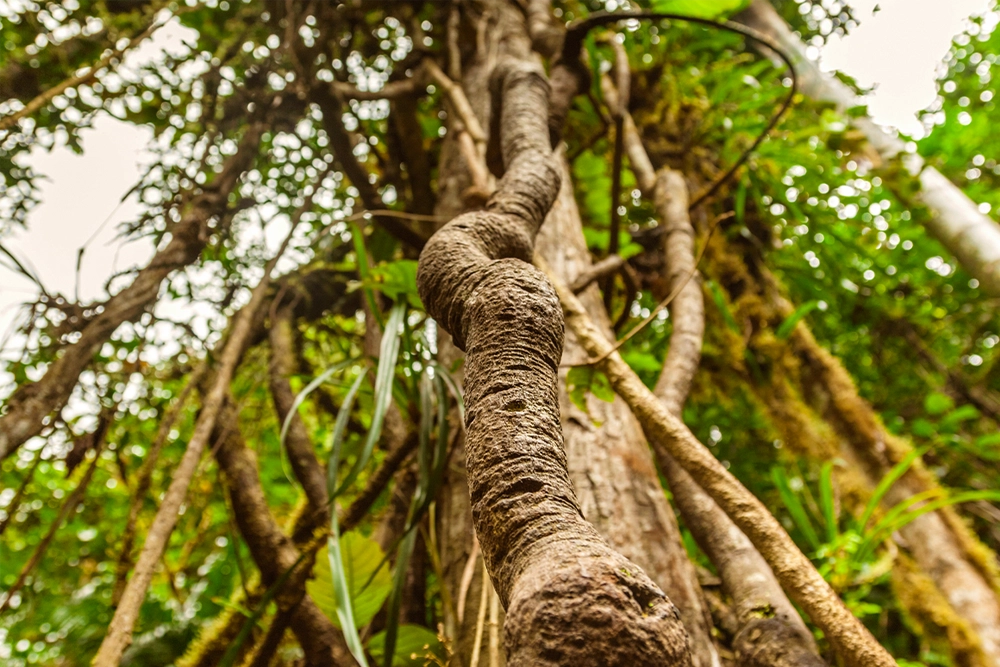
Consent and personal boundaries in an ayahuasca ceremony form a shared agreement between a participant and the people who hold the ceremony. Ayahuasca is a traditional Amazonian plant brew, usually prepared from the Banisteriopsis caapi vine and the leaves of the chacruna plant. A ceremony is a structured gathering in which participants drink it under the guidance of a trained healer. The agreement is a type of informed consent, similar in spirit to the consent used in healthcare, but it differs by also covering spiritual, emotional and physical-contact questions that medicine rarely addresses.
Ayahuasca consent boundaries have three layers. First, you consent to the activity itself after hearing the risks. Second, you set boundaries about touch, language, photography and privacy. Third, you keep the right to change your mind, because consent given on Monday does not bind you on Friday night. Ayahuasca changes perception and emotion, so a participant may feel unable to speak clearly at the height of the experience. For that reason, the clearest consent happens before the ceremony, in plain language, when your mind is fully present.
Peru Alive Tours explains ayahuasca consent boundaries to every guest. The company organizes spiritual experiences from Urubamba and Cusco, and its ayahuasca ceremony follows the Amazonian lineage of the Machiguenga people and is led by a Kuraq Hampiq, a local title for masters of higher hierarchy, from the Machiguenga native community. This detail matters for consent, because the person who leads the ceremony carries the responsibility for the space.
Historical Background
Amazonian peoples have used ayahuasca for generations within community settings. In those settings, the healer knew the participants, their families and their health, so trust existed before the ceremony began. The healer also answered to the community, which created natural accountability.
Over the past decade, international interest has moved ceremonies into a tourism context where strangers meet a healer for a few days. Think of it as moving a family recipe into a restaurant kitchen: the dish may stay authentic, but the safeguards that the village provided must now be built deliberately. Written agreements, medical questionnaires and open conversations replace the community accountability that travelers cannot access. According to travel safety experts, this shift explains why consent has become a central topic in plant-medicine tourism.
Why It Matters Today
Ayahuasca consent boundaries matter because ceremonies place participants in a vulnerable state for several hours. Vulnerability does not mean danger by default, but it raises the importance of trust, clarity and boundaries. A traveler who feels dizzy, emotional or disoriented depends on the facilitator and the support team for water, a bucket, a blanket, a bathroom escort and calm words.
Most search interest in ayahuasca ceremony consent comes from people in comparison mode. They have found several operators and want to know which one treats participants with care. Experts in responsible travel point to one practical test: an operator who explains the rules in detail, in writing, before payment, usually runs the ceremony with the same discipline.
Ayahuasca also interacts with certain medications and health conditions. Harmala alkaloids in the brew act as monoamine oxidase inhibitors, and combining them with some antidepressants or other drugs can create serious risks. This is why informed consent must include a medical conversation. Peru Alive Tours does not replace your doctor. Mick Stemborski, whom Peru Alive Tours presents as a Licensed Clinical Therapist (license BBH-LCPC-LIC-1103, Montana), is a mental health professional, not a physician, and nothing in this article is medical advice.
The Sacred Valley and Cusco Context
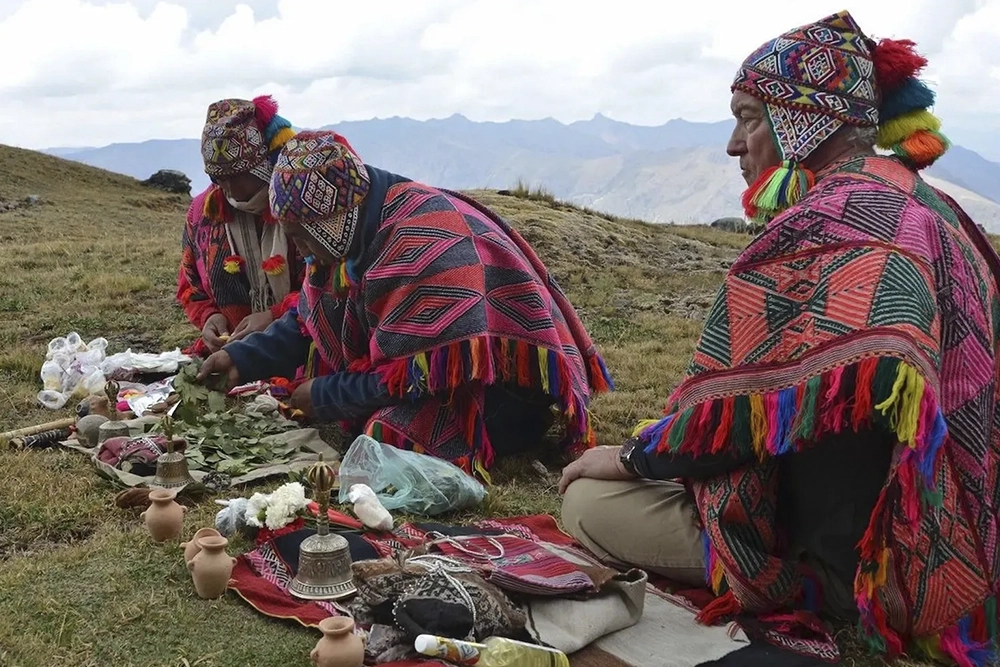
Many travelers meet ayahuasca in Peru after landing in Cusco, a high-altitude Andean city, even though ayahuasca itself belongs to the Amazon. The Sacred Valley rituals you may also encounter, such as despacho offerings, coca leaf offerings and limpia energy cleansing, belong to Andean cosmovision and follow different protocols. Keep the two traditions separate when you ask questions, because each has its own guardians and its own rules about participation.
Altitude adds another layer. Cusco sits above 3,300 meters, and soroche, or altitude sickness, can affect sleep, appetite and heart rate during your first days. Local operators report that travelers who plan a ceremony immediately after arrival face avoidable stress. Give your body time to adapt, and tell the facilitator how you slept and how you feel on the day.
Peru Alive Tours, founded by guide Wilbert Yucra Choqqucunsa (official guide card No. 627, issued by DIRCETUR Cusco), operates from offices in Urubamba and San Blas, Cusco. The team coordinates ceremonies and answers pre-booking questions from both locations.
Key fact: Ayahuasca contains compounds that can interact dangerously with several prescription medications, so every participant should disclose all medicines and conditions to the facilitator and to a personal doctor before traveling.
Want to explore how this applies to your travel plans? Check the FAQ section or ask Peru Alive Tours on WhatsApp.
2. Proven Benefits of Clear Ayahuasca Ceremony Consent and Personal Boundaries
Quick answer: Clear ayahuasca personal boundaries reduce fear, protect your privacy, prevent unwanted touch, support medical safety, and help you surrender to the experience. They also give you objective criteria for comparing operators and a record you can refer to if something goes wrong.
Clear ayahuasca consent boundaries benefit every person in the room, including the facilitator. The seven benefits below follow the order in which most travelers notice them.
1. Lower Anxiety Before the Ceremony
Fear of the unknown drives most pre-ceremony anxiety. When a facilitator describes the evening hour by hour, including where you sit, how the brew is served and what happens if you need the bathroom, the unknown shrinks. Travel safety experts consistently list preparation as the strongest buffer against panic during altered states. A traveler in Urubamba who knows the sequence of the night can focus on the experience instead of guessing what comes next.
2. Protection From Unwanted Physical Contact
Some traditions use touch, such as a hand on the back or a gentle massage, during a ceremony. Others avoid it entirely. Neither approach is wrong, but surprise is. When you agree in advance on ayahuasca ceremony touch consent, you decide which contact is acceptable, who may offer it and how you will signal a refusal. This single conversation prevents the most serious boundary violations that people describe in the wider ayahuasca community.
3. Safer Medical Outcomes
A medical questionnaire is a boundary tool as much as a health tool. It tells the facilitator what you cannot take and who to call in an emergency. Ask where the nearest clinic or hospital sits relative to the ceremony site, and how long the trip takes by road.
4. Better Comparison Between Operators
Ayahuasca consent boundaries are measurable. One operator answers in two sentences; another sends a written explanation. You can compare responses side by side, which turns a vague spiritual decision into a practical one.
5. Stronger Privacy and Dignity
Ceremonies involve crying, vomiting and speech that participants may not remember. Ayahuasca consent boundaries about photography, recording and sharing stories protect your dignity. Agree beforehand that nobody films you, and that nothing about your experience is posted on social media without your written permission.
6. A Respectful Relationship With the Tradition
Asking questions shows respect for the healer’s role. In Amazonian practice, the person leading the ceremony bears responsibility for everyone in the space. A Kuraq Hampiq of the Machiguenga tradition expects to explain the structure of the night, and a participant who asks informed questions honors that responsibility rather than challenging it.
7. Expert Insight: Consent Shapes the Integration Period
Most travelers focus on the ceremony night, yet the days after often decide whether the experience feels settling or destabilizing. A participant who set clear boundaries and felt respected tends to process the memories with less self-blame. Ask the operator what support exists the following day, from conversation to a quiet space to rest. Peru Alive Tours includes various herbal teas before the ceremony and a light breakfast at dawn; lunch and dinner on the following day are not included, so plan your own meals and a gentle schedule.
Verified data: Operators who send a written medical questionnaire and a ceremony outline before booking give participants the information they need for informed consent, according to standard practice among responsible plant-medicine facilitators.
Want to maximize these benefits on your trip? Let Peru Alive Tours plan your experience.
3. How to Choose: Step-by-Step Guide to Ayahuasca Consent Boundaries Before You Book
Quick answer: The six steps are: 1. Define your own ayahuasca consent boundaries, 2. Complete the medical review, 3. Ask the facilitator your questions in writing, 4. Agree on touch and privacy, 5. Confirm the safety plan, 6. Decide only after you receive every answer. Never pay before steps two through five are complete.
This sequence turns a vague spiritual decision into a checklist you can complete from home. Allow one to two weeks for the full process, because doctors and operators need time to reply.
Step 1: Define Your Own Limits
Goal: Know your ayahuasca consent boundaries before anyone else asks about them.
- Write what touch you accept, if any.
- List topics you refuse to discuss in a group.
- Note what makes you feel unsafe: darkness, crowds, silence.
Estimated time: 30 minutes. Tools: A notebook or phone note. People who write limits down speak about them more clearly later, because the page does not forget under pressure.
Step 2: Complete the Medical Review
Goal: Identify any health reason you should not take part.
- List every medication, supplement and recreational substance.
- Book a visit with your own doctor.
- Share the results with the facilitator honestly.
Estimated time: 1 to 2 weeks. Tools: Your doctor, the operator’s questionnaire.
Expert tip: Some antidepressants require a long washout period before ayahuasca is considered at all, and that period must be supervised by your prescribing doctor. Never stop a prescribed medicine on your own to qualify for a ceremony.
Step 3: Ask Your Questions in Writing
Goal: Create a record of what the operator promised.
- Send your questions by email to info@perualive.com.
- Ask who leads the ceremony and who assists.
- Request the answers in writing before you pay.
Estimated time: 20 minutes to write, a few days to receive replies. Tools: Email and the question list in the table of section 4. Peru Alive Tours explains that its ayahuasca ceremony is led by a Kuraq Hampiq from the Machiguenga native community, and you can ask for the same explanation about any operator.
Step 4: Agree on Touch and Privacy
Goal: Settle ayahuasca ceremony touch consent and photography rules.
- Ask whether touch ever occurs during the ceremony.
- Name who may offer it and who may never.
- Agree on a word or gesture that means “stop.”
Estimated time: 15 minutes. Tools: A call or video chat with the facilitator. Peru Alive Tours confirms its specific policy on touch in writing at booking [TO BE CONFIRMED BY CLIENT: exact touch policy].
Expert tip: Ask what happens if you cannot speak. A clear answer, such as a raised hand that an assistant recognizes, shows that the team has planned for participants who lose language during the experience.
Step 5: Confirm the Safety Plan
Goal: Know exactly what happens if something goes wrong.
- Ask how far the nearest clinic sits from the site.
- Ask who stays sober and watches participants.
- Ask how the team reaches emergency transport.
Estimated time: 15 minutes. Tools: The operator, a map, your travel insurance policy.
Step 6: Decide Only After You Have Every Answer
Goal: Make a free decision, without time pressure.
- Compare replies from at least two operators.
- Notice any defensiveness or vague answers.
- Sleep on the decision for one night.
Estimated time: 1 day. Tools: Your written notes and the replies you collected.
Common mistake: Paying a deposit before asking safety and touch questions. Solution: ask first, pay second, and keep every written reply. Peru Alive Tours’ cancellation policy states that with 30 days or fewer before the start date there is no refund, so settle your doubts well before that window.
Need help choosing the right ceremony for your trip?
Send your questions before you decide. Peru Alive Tours answers them one by one.
Contact Peru Alive Tours on WhatsApp
We explain everything before you decide · Offices in Urubamba and Cusco
4. Key Factors to Evaluate in an Ayahuasca Safe Space
Quick answer: An ayahuasca safe space depends on seven factors: who leads, how medical screening works, the touch policy, how many assistants attend, the emergency plan, the group size and the support after the ceremony. Compare operators on each factor, and ask for written answers.
An ayahuasca safe space is a ceremonial setting where named people carry defined responsibilities, rules are explained beforehand and every participant can stop or leave. It differs from a loosely run gathering by its structure: someone leads, someone watches, someone responds to emergencies. The table below turns that definition into questions you can ask.
| Key Factor | Importance | How to Evaluate | Expected Impact |
|---|---|---|---|
| Ceremony leadership | Critical | Ask the leader’s name, tradition and community of origin, and how long they have led ceremonies. | You know who carries responsibility for the room. |
| Medical screening | Critical | Request the written questionnaire and ask what conditions or medications exclude a participant. | Reduces the risk of dangerous interactions. |
| Touch policy | Critical | Ask whether touch occurs, who may offer it and how you refuse it. | Removes surprise and protects physical autonomy. |
| Assistants and ratio | High | Ask how many sober assistants attend and whether you can meet them beforehand. | Faster response when a participant needs help. |
| Emergency plan | High | Ask the distance to the nearest clinic, the transport available and who makes the call. | Shortens response time in a real emergency. |
| Group size and setting | Medium | Ask how many participants attend and where each person sleeps or rests. | More individual attention and more privacy. |
| Aftercare | Medium | Ask what support exists the next morning and the following days. | Gentler transition back to normal activity. |
How to Prioritize Based on Your Situation
Start your review of ayahuasca consent boundaries with the three critical factors, because no other advantage compensates for a weak answer there. A facilitator who cannot explain the touch policy or the medical screening in plain language is not ready to hold a ceremony, however beautiful the venue. Responsible operators in the Sacred Valley treat these three factors as non-negotiable and say so openly.
Then weigh your personal profile. A first-time participant with no experience of altered states benefits from smaller groups and more assistants. A traveler with a history of trauma may want a private conversation with a licensed professional before deciding, and may choose to skip ceremonies altogether. The Urubamba River valley offers other practices that carry less risk, including despacho offerings and coca leaf reading in the Andean tradition, which you can explore without taking a plant brew.
Need a personalized recommendation for your trip? Request a free consultation from Peru Alive Tours.
5. Realistic Scenarios: How Ayahuasca Consent Plays Out in the Sacred Valley
Quick answer: The three illustrative scenarios below show how ayahuasca consent boundaries work in practice: a first-time traveler with medication, a solo traveler worried about touch, and a couple with different comfort levels. They are composite examples, not individual testimonials.
The scenarios below are illustrative composites built from questions that travelers commonly raise with Sacred Valley operators. They are not reviews, and they contain no statistics. You can read real feedback on the Peru Alive Tours Facebook page, Instagram profile and YouTube channel.
Scenario 1: The First-Time Traveler Who Takes Medication
Context: A traveler plans ten days in Cusco and wants to attend an ayahuasca ceremony. They take a prescription medicine daily and assume it makes no difference.
Challenge: Ayahuasca acts as a monoamine oxidase inhibitor, so the combination may be dangerous. The traveler almost left the medication off the questionnaire.
Solution: The traveler listed everything on the form, then visited their own doctor before leaving home. The doctor advised against the ceremony, and the traveler replaced it with a despacho offering and a coca leaf reading.
Results:
- Full medication disclosure before booking
- Doctor’s advice followed, not overridden
- Alternative Andean ritual arranged instead
Key lesson: Declining a ceremony after honest screening is a successful outcome, not a failed trip.
Scenario 2: The Solo Traveler Worried About Touch
Context: A solo traveler in Urubamba wants a ceremony but has felt uncomfortable in past group settings.
Challenge: The traveler did not know whether physical contact is common and feared being unable to refuse it.
Solution: The traveler asked three direct questions by email: whether touch occurs, who may offer it and how to decline. They also agreed on a hand signal with the assistant and met the team the afternoon before.
Results:
- Written touch policy received before payment
- Hand signal agreed with an assistant
- Team introductions completed the day before
Key lesson: A refusal agreed in advance carries more weight than a refusal attempted mid-ceremony.
Scenario 3: The Couple With Different Comfort Levels
Context: Two partners book a trip together. One wants the ceremony; the other hesitates.
Challenge: Social pressure made the hesitant partner feel obliged to join.
Solution: They separated the decisions. The interested partner completed the screening and attended, while the other partner chose a Sacred Valley day trip and was told that withdrawing was acceptable at any point before the ceremony.
Results:
- Each partner chose independently
- No pressure from the operator or the partner
- Both enjoyed shared time afterward
Key lesson: Voluntary means each person decides alone, even when travelling as a pair.
Common mistakes observed:
- Hiding a medication: disclose everything, and trust your doctor’s answer.
- Booking after one chat: collect written answers from two operators.
- Skipping altitude rest: wait several days after arriving in Cusco.
- Assuming touch is standard: ask directly and settle it in advance.
- Feeling obliged to continue: remember that you can leave the space.
Want a similar level of preparation for your own trip? Discover how Peru Alive Tours can help you.
6. Best Practices and Mistakes to Avoid With Ayahuasca Ceremony Rules
Quick answer: Good practice means disclosing your health honestly, asking for written rules, agreeing on touch and a stop signal, resting after altitude, and keeping your schedule light afterward. The main mistakes are hiding medication, paying first, assuming rules, and treating ceremonies as entertainment.
Ayahuasca consent boundaries and ceremony rules protect participants only when people understand and follow them. Peru Alive Tours and other responsible operators in the Sacred Valley build their preparation talks around the habits below.
What You SHOULD Do
- Disclose your full health history. Include medicines, supplements and past psychiatric care. The facilitator cannot protect you from risks that stay hidden.
- Ask for the ceremony outline. You should know the start time, the sequence and the approximate end. Predictability lowers fear.
- Learn the leader’s background. Ask about tradition, community and experience. Peru Alive Tours explains that its ayahuasca ceremony follows the Amazonian Machiguenga lineage under a Kuraq Hampiq.
- Agree on a stop signal. Choose a gesture that works even when speech fails. Confirm that assistants know it.
- Settle touch in advance. Say yes, no or only-if-I-ask. Repeat your choice on the day.
- Arrive rested and acclimatized. Spend several days in the Sacred Valley first. The valley floor near Urubamba sits lower than Cusco, which helps many travelers adapt.
- Keep the following day free. Emotions and tiredness can linger. Plan quiet activities such as walking along the Urubamba River.
- Check your travel insurance. Policies differ, and some exclude ceremonies or related incidents. Read the exact wording and ask your insurer before you travel.
What You Should NOT Do
- Do not hide a medication. A forgotten pill can create a medical emergency. Write a complete list and show it to your doctor.
- Do not pay before you read the rules. A deposit creates pressure to continue. Collect written answers first.
- Do not accept vague answers. Phrases such as “everything is taken care of” explain nothing. Ask who, what and how.
- Do not treat the ceremony as entertainment. Photographing others, posting stories or comparing experiences on social media breaks privacy and disrespects the tradition.
- Do not mix substances. Alcohol, recreational drugs and other plant preparations around the ceremony add risk. Follow the dietary and abstinence guidance the facilitator gives you.
- Do not push through discomfort out of politeness. You may ask for water, a break or a conversation at any moment.
Advanced strategy (Level 3): Request a pre-ceremony conversation with the person who leads the ceremony, not only with a booking agent. A direct conversation reveals tone, patience and willingness to answer difficult questions. Operators with offices in both Urubamba and Cusco, like Peru Alive Tours, can usually arrange this meeting before you commit.
Quick Checklist
- Medical review completed with my own doctor
- Written answers received about touch and privacy
- Stop signal agreed with an assistant
- Insurance policy wording read and understood
- Next-day schedule left free and quiet
Peru Alive Tours does not provide legal advice. Rules on traditional plant medicines differ from country to country, so check the regulations of your home country, including what you may carry or bring back, and consult your own doctor and, if needed, a legal adviser before you travel.
Want expert guidance for your Sacred Valley itinerary? Request a free review from Peru Alive Tours.
7. Current Trends in Ayahuasca Consent and Ceremonial Safety
Quick answer: Ayahuasca ceremony consent is moving toward written agreements, medical pre-screening, clear touch policies and aftercare. Travelers increasingly compare operators on transparency, and responsible Sacred Valley providers respond with detailed pre-booking explanations rather than short marketing descriptions.
Innovations in Adventure and Spiritual Tourism
Currently, ayahuasca consent boundaries show how spiritual tourism in Peru is shifting from spontaneous bookings to prepared, information-led decisions. Travelers read forums, compare operators and arrive with specific questions about safety. Industry observers describe this as a maturing market: participants now ask what the ceremony includes, who leads it and how emergencies are handled before they ask about price.
Several practices have become more common among careful operators. Written medical questionnaires appear earlier in the booking process. Preparation calls explain the structure of the night. Some providers also publish clear statements about photography and social media. These changes respond to traveler demand and to wider public conversation about consent in plant-medicine settings.
International bodies also shape the context. The World Tourism Organization promotes responsible and sustainable tourism principles that include respect for host communities and their cultural practices. For ayahuasca, respect means recognizing the Amazonian communities that hold the knowledge, rather than treating it as generic wellness content.
Market Evolution in Cusco and the Sacred Valley
Cusco and the Sacred Valley attract travelers who combine archaeology with inner work. The UNESCO World Heritage listing of Machu Picchu draws visitors to the region, and many then ask about Andean ceremonies such as despacho offerings and limpia energy cleansing. Local operators report that visitors increasingly want to separate Andean rituals from Amazonian plant medicine and to understand which tradition they are joining.
Peru Alive Tours reflects this by describing each ceremony with its own tradition and leader. Ayahuasca is Amazonian and led by a Kuraq Hampiq of the Machiguenga native community. Other ceremonies are led by a Q’ero master, an Aymara master or a Machiguenga healer, depending on the type of ceremony. Such precision helps travelers ask better questions and avoid the mistake of blending traditions.
Tourism authorities also publish guidance for visitors. The Peruvian Ministry of Foreign Trade and Tourism (MINCETUR) provides information on tourism services in the country, and regional offices such as DIRCETUR Cusco oversee guides and operators locally. Checking the guide’s official card is a simple step that anyone can take. Wilbert Yucra Choqqucunsa, founder of Peru Alive Tours, holds official guide card No. 627 issued by DIRCETUR Cusco.
Short- and Medium-Term Outlook
- More written consent. Operators will send questionnaires and agreements before payment, because travelers now expect them.
- Clearer touch policies. Providers will state their position in plain language, since vagueness damages trust.
- Greater medical caution. Doctors and travelers will talk more about medication interactions before booking.
- Stronger aftercare. Next-day conversations and rest spaces will become part of standard offers.
- Insight for the discerning traveler: The operators who welcome the hardest questions will outlast those who rely on atmosphere alone, because informed travelers share their experience with other travelers.
Strategic advice: Send your questions to two operators this week and compare the quality of their written replies before any payment.
Expected Impact in Cusco and the Sacred Valley
Transparent ayahuasca consent boundaries raise the standard for the whole region. When travelers insist on written rules, responsible operators in Urubamba and Cusco gain an advantage, and less careful providers lose bookings. Experienced operators like Peru Alive Tours report that detailed pre-booking conversations also reduce cancellations caused by misunderstandings about what a ceremony involves.
Ready to plan with a team that explains every detail? Let Peru Alive Tours design your trip.
Frequently Asked Questions About Ayahuasca Consent and Boundaries
Peru Alive Tours compiled the most common questions about ayahuasca consent and personal boundaries in the Sacred Valley and Cusco:
What are ayahuasca consent boundaries?
Short answer: Ayahuasca consent boundaries are the agreed limits on touch, privacy, participation and communication between a participant and the ceremony team.
They cover what the facilitator may and may not do, what you agree to take part in, and how you can stop. Agree on them before the ceremony, in writing when possible, because perception changes after the brew and speaking clearly becomes harder.
What is informed consent for an ayahuasca ceremony?
Short answer: Ayahuasca informed consent means you agree voluntarily after receiving clear information about the risks, the structure and the rules of the ceremony.
Real consent requires that you understand what happens, that nobody pressures you, and that you can withdraw. A signature alone does not meet this standard if the operator never explained the content of the document.
What is an ayahuasca safe space?
Short answer: An ayahuasca safe space is a ceremonial setting with named leaders, sober assistants, stated rules and an emergency plan.
Atmosphere alone does not create safety. Look for structure: who leads, who watches participants, where the nearest clinic sits, and how you can signal for help. Ask these questions before you pay.
What should an ayahuasca facilitator explain before the ceremony?
Short answer: A facilitator should explain the ceremony structure, the medical exclusions, the touch policy, the emergency plan and how you can stop.
A good briefing on what an ayahuasca facilitator should explain before the ceremony also covers who leads, who assists, what you should bring, and what support exists the next day. If the explanation feels rushed or vague, ask again or consider another operator.
How do I set personal boundaries before an ayahuasca ceremony?
Short answer: Write your limits on touch, privacy and participation, then share them with the facilitator and agree on a stop signal.
Do this days before the ceremony, not on the night. Ask the facilitator to confirm your limits in writing and to tell the assistants. Repeat them on the day, so the whole team hears them from you.
How does touch consent work in an ayahuasca ceremony?
Short answer: Touch consent means you decide in advance whether any contact is acceptable, who may offer it and how you refuse it.
Some ceremonies include touch and others avoid it. Ask which applies, and never accept contact you did not agree to beforehand. Peru Alive Tours confirms its touch policy in writing at booking [TO BE CONFIRMED BY CLIENT: exact touch policy].
How do I know if an ayahuasca facilitator is trustworthy?
Short answer: A trustworthy facilitator answers questions in writing, explains risks openly, requires medical screening and never pressures you to decide.
Check verifiable details: a named leader, a registered guide, physical offices and consistent contact data. Wilbert Yucra Choqqucunsa, founder of Peru Alive Tours, holds official guide card No. 627 issued by DIRCETUR Cusco, and you can request similar proof from any operator.
Can I stop or leave during an ayahuasca ceremony?
Short answer: Yes, you should always be able to ask for help or a break, and the team must respond respectfully.
Ask how this works before you commit. You may need to remain on the grounds for safety reasons, because the brew affects balance and judgment, but you can request assistance, water or a quiet area at any point. A clear answer shows that the team has planned for this situation.
Is it worth asking so many questions before booking an ayahuasca ceremony?
Short answer: Yes, because detailed questions reveal how an operator handles safety, consent and honesty before you commit money or trust.
Operators who value participants welcome questions and reply with specifics. Operators who avoid them leave you guessing. The effort takes a few hours and can prevent a frightening or unsafe experience.
Who leads the ayahuasca ceremony at Peru Alive Tours?
Short answer: A Kuraq Hampiq, an Amazonian healer of the Machiguenga tradition from the Machiguenga native community, leads the ceremony.
Kuraq Hampiq is a local title for masters of higher hierarchy. Ayahuasca belongs to the Amazon, while other Peru Alive Tours ceremonies are led by a Q’ero master, an Aymara master or a Machiguenga healer, depending on the type of ceremony.
What does an ayahuasca ceremony with Peru Alive Tours include?
Short answer: It includes various herbal teas before the ceremony and a light breakfast at dawn, but not lunch or dinner the following day.
Plan your own meals for the next day and keep your schedule light. Ask the team for the complete list of inclusions in writing when you request your quote.
How much does an ayahuasca ceremony cost in the Sacred Valley?
Short answer: Peru Alive Tours quotes prices in US dollars per person, and the per-person price falls as the group grows.
Each service requires a minimum of two or three participants. Ask for the current price for your group size and request the inclusions in writing. Never pay before you receive answers about medical screening and touch.
Is ayahuasca legal in Peru?
Short answer: Peru Alive Tours does not provide legal advice, so check the rules that apply to you before traveling.
Rules on traditional plant medicines differ from country to country. Check the regulations of your home country, including what you may carry or bring back, and consult your own doctor and, if needed, a legal adviser before you travel.
Which is better: an Andean despacho ceremony or an ayahuasca ceremony?
Short answer: Neither is better; they are different practices, and a despacho offering involves no plant brew.
A despacho is an Andean offering to Pachamama, the Earth Mother, led by a Q’ero master or another local practitioner. Ayahuasca is an Amazonian ceremony with medical considerations. If you want a gentler first step in the Sacred Valley, a despacho offers spiritual depth without medication risks.
Don’t see your question here?
The Peru Alive Tours team is ready to answer your specific questions.
Message Peru Alive Tours on WhatsApp
Response in under 2 hours · Offices in Urubamba and Cusco
Common Voice Search Queries About Ayahuasca Ceremony Safety
Hey Google, what should I ask before an ayahuasca ceremony?
Quick answer: Ask who leads the ceremony, what medical screening exists, whether touch occurs, who assists, where the nearest clinic is, and how you can stop. Get every answer in writing before you pay.
Start with medical questions about ayahuasca consent boundaries, because medication interactions carry the highest risk. Then ask about privacy and photography. Finally, request details about the next day: food, rest and support. Compare the replies of two operators before you decide.
Is ayahuasca safe for first-time participants?
Quick answer: Safety depends on your health, your medications and the quality of the operator. Ayahuasca carries real risks, so complete medical screening with your own doctor and choose a team that explains its safety plan clearly.
First-timers benefit from smaller groups and more assistants. Ask whether sober assistants stay with participants throughout the night. If you take any prescription medicine, ask your doctor before you contact an operator.
Can someone touch me during an ayahuasca ceremony?
Quick answer: Touch happens only with your prior agreement. Ask the facilitator before the ceremony whether contact is part of the practice, who may offer it and how you can refuse it at any moment.
If an operator cannot describe the policy in plain words, treat that as a warning sign. Agree on a hand signal with an assistant, and repeat your wishes on the day.
Where can I find an ayahuasca ceremony near me in the Sacred Valley?
Quick answer: Peru Alive Tours organizes spiritual experiences from offices in Urubamba and San Blas, Cusco. Contact the team to discuss ayahuasca consent boundaries, medical screening and ceremony details before you decide.
Visit the main office at Av. Vilcanota N°154 in Urubamba, or the branch at Calle Carmen Alto N°197 in San Blas, Cusco. You can also write to info@perualive.com. Meeting the team in person helps you judge their answers.
What happens the day after an ayahuasca ceremony?
Quick answer: Most participants feel tired and emotional the next day. Plan a quiet schedule, eat gently and avoid demanding activities. Lunch and dinner after the ceremony are not included in Peru Alive Tours’ package.
Give yourself time to rest near the Urubamba River or in a quiet room. Write notes about what you remember while the details are fresh. If strong emotions persist, speak with a trusted professional at home.
Conclusion: Your Next Step Toward Informed Ayahuasca Consent
Ayahuasca consent boundaries decide whether an ayahuasca ceremony in Peru feels like a guided passage or an anxious gamble. The Sacred Valley, Machu Picchu and Cusco draw travelers toward profound experiences, yet your safety depends on questions you ask long before you reach Urubamba. Responsible plant-medicine work rests on honest medical screening, clear agreements and a leader who answers without defensiveness.
Treat ayahuasca consent boundaries as a seatbelt: you fasten it before the road gets steep. Write your limits, consult your doctor, collect written answers, and compare at least two operators. Then decide at your own pace, whether the answer is yes, not yet or no. Peru Alive Tours will answer your questions in writing, from the Urubamba and Cusco offices, and will never rush you.
Recommended action for today: Write your five boundary questions and email them to info@perualive.com.
Ayahuasca consent boundaries deserve the same care as any decision that affects your health, so settle them first and plan the rest of your trip around the answers. Peru Alive Tours, a team of local Sacred Valley specialists, explains each ceremony, its leader and its rules before you commit.
Ready to Take the Next Step?
Peru Alive Tours operates from offices in Urubamba and San Blas (Cusco), with a team of local Sacred Valley specialists ready to design your experience. Reach out today and receive a personalized itinerary tailored to your interests and schedule.
Start Your Sacred Valley Journey with Peru Alive Tours
Our local team will help you plan from Cusco or Urubamba and answer every consent question first.
Chat with Peru Alive Tours on WhatsApp
No commitment · We explain everything before you decide · Offices in Urubamba and Cusco
+51 999 878 807 · info@perualive.com · www.perualive.com