Executive Summary
Quick answer: Ayahuasca Cusco vs Amazon is a choice between two settings for one Amazonian tradition. The jungle offers the medicine’s home ecosystem. Cusco and the Sacred Valley offer a highland setting, shorter travel for visitors already in the Andes, and easier access to medical and travel services. Peru Alive Tours helps travelers compare both options before they commit.
Key takeaways:
- Ayahuasca belongs to Amazonian tradition, not Andean culture.
- The jungle offers original context; the Andes offer convenience.
- Altitude and humidity place different demands on your body.
- Verify the healer’s lineage, screening process and emergency plan.
- Choose by intention, health, schedule and comfort with remote settings.
Article data:
- Read time: 25 minutes
- Level: Beginner to Intermediate
- Verified by Peru Alive Tours, Sacred Valley specialists
- Based on 3 authoritative external sources
Ayahuasca Cusco vs Amazon is a choice about context, not quality. Travelers who search for where to do ayahuasca in Peru find lodge ads from Iquitos next to retreat pages from Cusco, and almost none of them explains what actually changes between the two. You end up comparing photographs instead of facts.
The facts are specific. Ayahuasca is an Amazonian tradition, so the rainforest and the Andes differ in lineage, climate, travel time, medical access and the way a ceremony fits into a larger trip. Standard practice among certified operators in the Sacred Valley is to discuss these differences before a traveler books anything. This guide follows that same order.
You will learn how ayahuasca Cusco or Amazon decisions work in practice: what each setting offers, which questions expose a weak facilitator, and how to match a setting to your health, schedule and intention. Peru Alive Tours, based in Urubamba and Cusco, built the comparison from daily operational experience. Read on, and you will finish with a clear decision framework.
Table of Contents
- What Is Ayahuasca in Cusco vs the Amazon? Definition and Context
- Practical Benefits of Each Setting
- Step-by-Step Guide to Choosing Your Setting
- Key Factors to Evaluate
- Traveler Scenarios: Choosing Between Cusco and the Amazon
- Best Practices and Mistakes to Avoid
- Current Trends
- Frequently Asked Questions
- Common Voice Search Queries
- Conclusion and Next Steps
1. What Is Ayahuasca in Cusco vs the Amazon? Definition and Context
Quick answer: Ayahuasca in Cusco versus the Amazon compares two settings for one Amazonian plant medicine. The Amazon is the tradition’s home ecosystem, where healers prepare the brew from vine and leaf. Cusco and the Sacred Valley are Andean highlands, where ceremonies bring that Amazonian tradition into a more accessible setting.
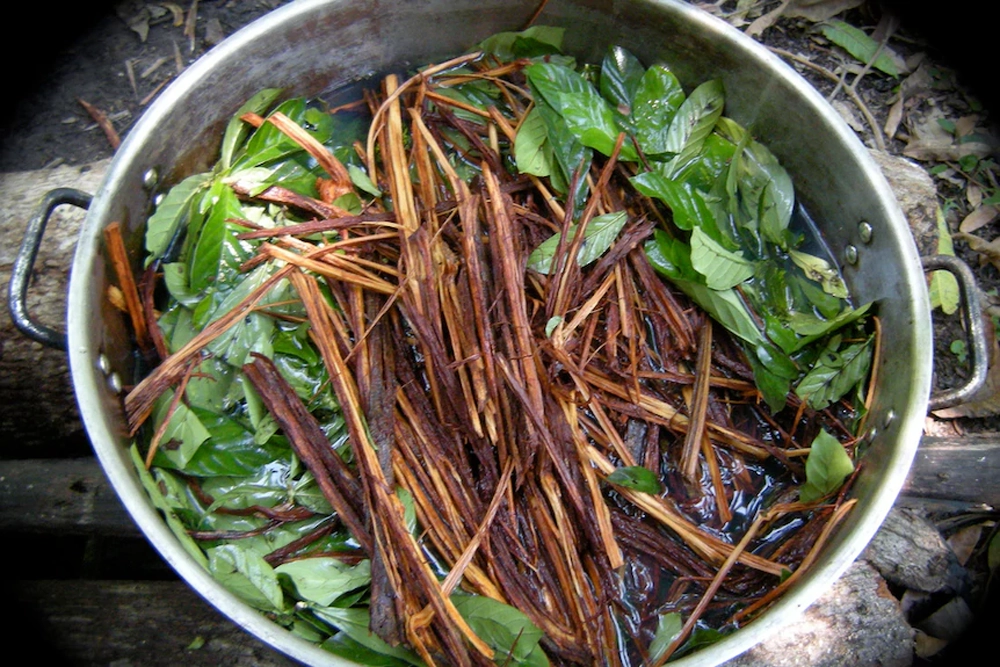
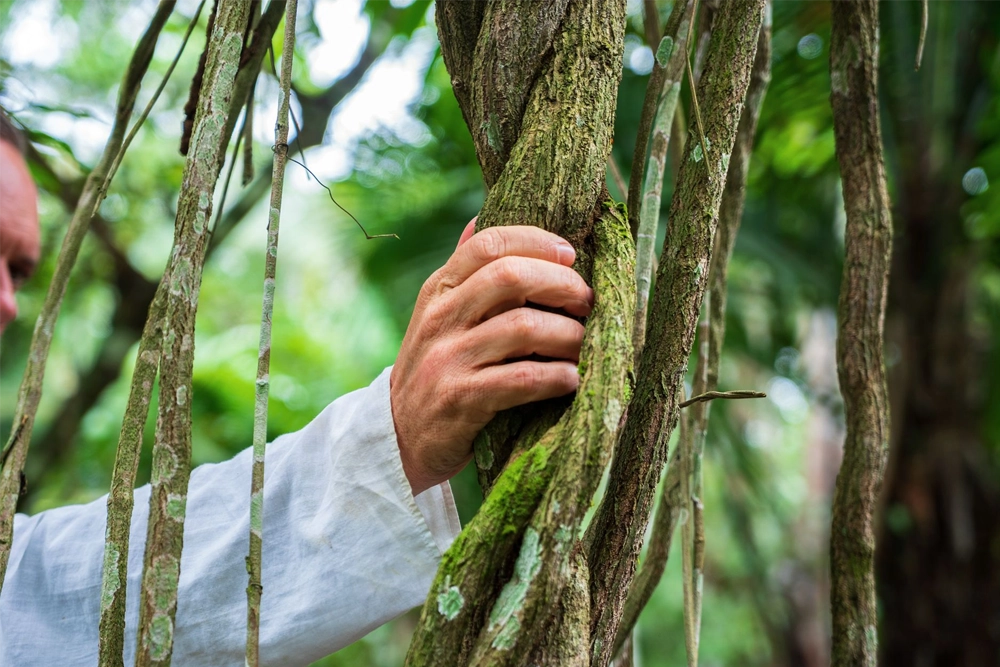
Ayahuasca in Cusco versus the Amazon describes two settings for a single Amazonian practice. Ayahuasca is a brew made from the Banisteriopsis caapi vine, usually combined with chacruna leaves (Psychotria viridis). It is a type of traditional Amazonian ceremonial medicine. It differs from Andean plant traditions, such as San Pedro (Huachuma) and coca leaf offerings, by origin: Amazonian peoples developed it, while Andean peoples built their own ceremonial systems around Pachamama and the sacred mountains.
The brew works through two components. The vine contains harmala alkaloids that inhibit monoamine oxidase, and the leaves contain DMT. That chemistry explains why serious facilitators screen medications carefully: combining the brew with antidepressants or other drugs that affect serotonin can be dangerous. Cultural protocol matters as much as chemistry. A ceremony includes preparation, a stated intention, the healer’s songs (icaros), often purging, and an integration period after dawn.
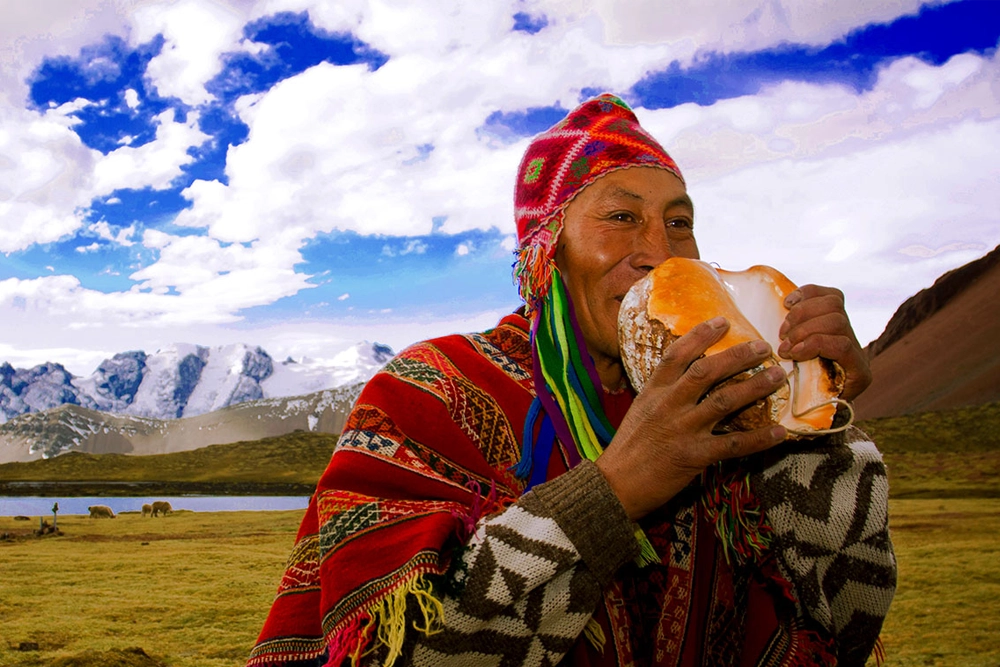
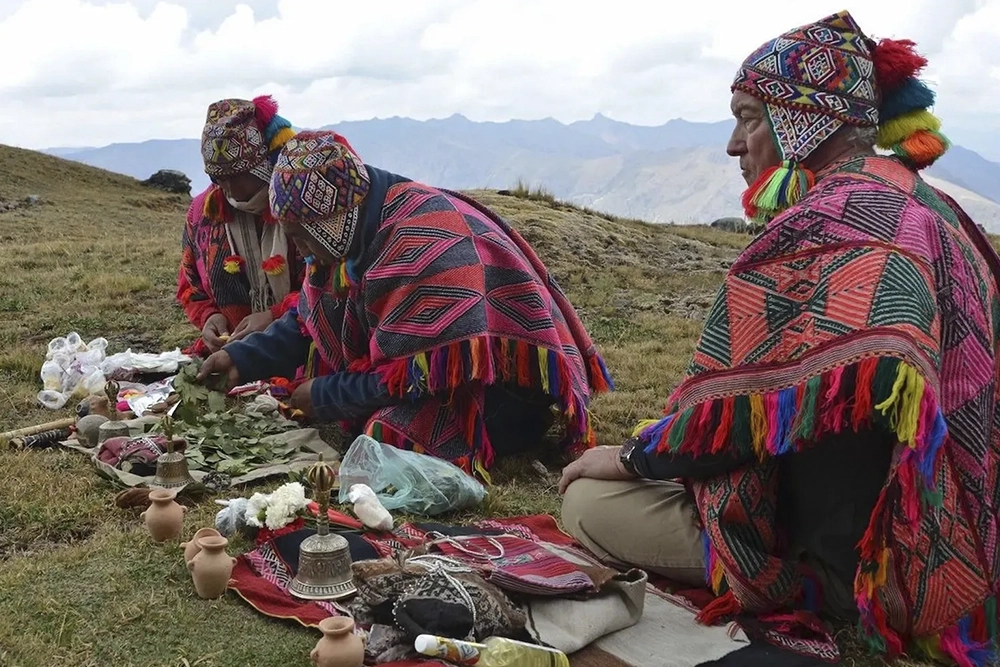
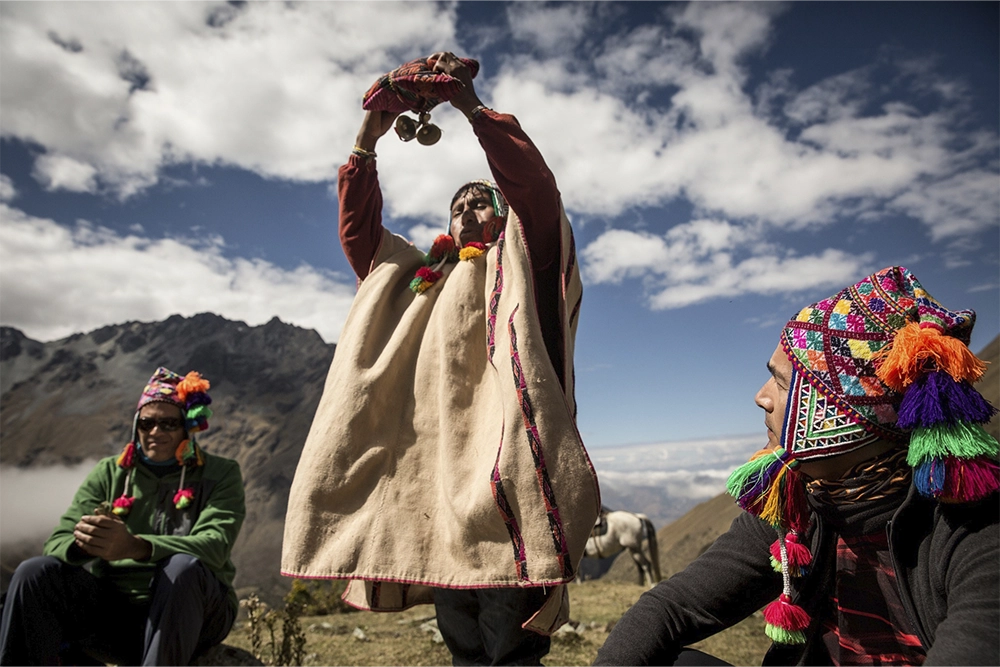
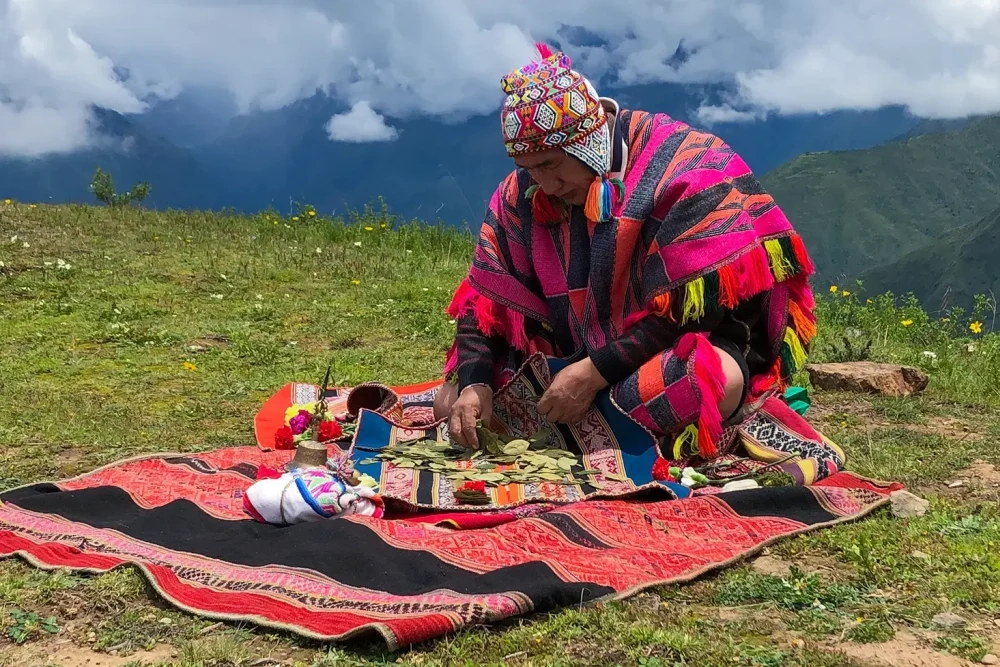
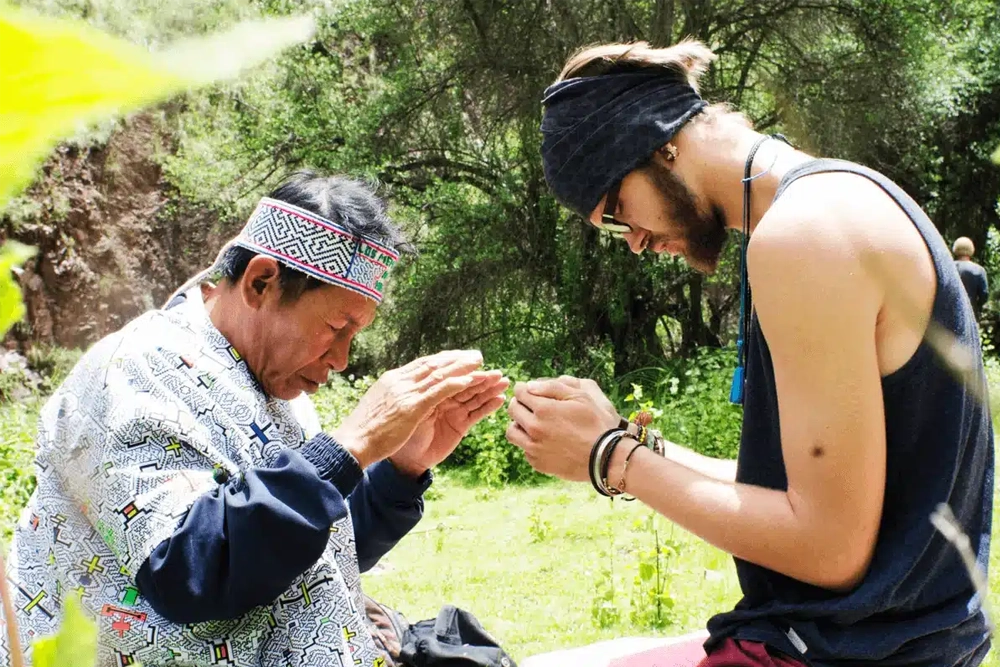
Peru Alive Tours describes its own ceremony in precise terms. A Kuraq Hampiq, an Amazonian healer of the Machiguenga tradition from the Machiguenga native community, leads the ayahuasca ceremony. “Kuraq Hampiq” is a local title for masters of higher hierarchy. Other Peru Alive ceremonies, such as Wachuma and despacho offerings, are led by a Q’ero master, an Aymara master or a Machiguenga healer, depending on the ceremony type.
Historical Background
Amazonian peoples have prepared ayahuasca for generations that predate written records, and anthropologists document its use across the Peruvian, Brazilian, Colombian and Ecuadorian Amazon. Healers traditionally learned the craft through long apprenticeships that included plant diets and years of listening to elders. The medicine belongs to a living cosmology, not to a menu of wellness options.
Think of it like a language spoken far from its homeland. The grammar survives the journey, but the accent and the surroundings change. In recent years, ayahuasca tourism concentrated around Iquitos, Pucallpa and the Madre de Dios region, while Cusco became the center for Andean practices: despacho offerings, coca leaf readings and Wachuma. Today, travelers meet both traditions in one country, and the ayahuasca iquitos vs cusco question has become one of the most common planning dilemmas.
Why It Matters Today
More travelers now combine Machu Picchu with plant medicine in a single itinerary, and that makes the location question practical, not abstract. The setting you choose changes how many days you spend in transit, how far you sit from a hospital, and how your body handles altitude or humidity. Those factors affect safety and comfort more than most travelers expect.
Here is what most comparison pages miss. The deciding difference is rarely spiritual; it is logistical. A traveler who already plans to visit Ollantaytambo, Moray and the Maras salt mines can add a ceremony without extra flights. A traveler seeking weeks of dieta in the forest needs a different schedule and a different tolerance for remote conditions. Matching the setting to your real constraints protects the experience.
The Sacred Valley & Cusco Context
Cusco sits at about 3,400 meters above sea level, and the Sacred Valley floor lies lower, with Urubamba roughly 500 meters below the city. That drop matters. Many travelers adjust to altitude sickness (soroche) more comfortably in the valley, where ceremonies and sightseeing share the same base. Peru Alive Tours operates from offices in Urubamba and San Blas, Cusco, so its team works inside this geography every day.
The Cusco region also contains Amazonian lowland forest, and the Machiguenga people live in that part of the region. This detail explains why a healer from the Machiguenga tradition can lead ceremonies for travelers based in the Sacred Valley. It also shows that the label “Cusco” covers both highland and jungle territory. Ask any operator exactly where a ceremony takes place and who prepares the brew.
Key fact: Wilbert Yucra Choqqucunsa, founder and guide of Peru Alive Tours, holds official guide card No. 627, issued by DIRCETUR Cusco, the regional tourism authority.
Want to explore how this comparison applies to your trip? Check the FAQ section or ask Peru Alive Tours on WhatsApp.
2. Practical Benefits of Each Setting: Ayahuasca Cusco or Amazon
Quick answer: The Amazon offers the tradition’s original ecosystem and deep disconnection. Cusco and the Sacred Valley offer shorter travel, stronger medical access, combinations with Andean ceremonies and a gentler altitude in the valley. Neither setting is automatically superior; each serves a different traveler profile in the ayahuasca Sacred Valley vs jungle decision.
Each setting offers distinct advantages, and the honest answer to ayahuasca Sacred Valley vs jungle depends on what you value. The seven benefits below separate real differences from marketing language. None of them promises a specific personal outcome, because no responsible operator can.
1. The Amazon Offers the Tradition in Its Home Ecosystem
Ayahuasca grows in the Amazon basin, and the Amazon is where its ceremonial culture developed. A ceremony there happens near the plants, the rivers and the communities that shaped the practice. For travelers who value cultural context, this proximity carries meaning that a highland setting cannot replicate. Experienced practitioners often cite it as the main reason to choose the jungle.
2. The Jungle Enables Full Disconnection
Remote lodges remove phone signal, city noise and daily routine. That separation helps travelers who want long retreats and multiple days of preparation. The same isolation raises the stakes: remote settings sit farther from hospitals, so facilitator quality and emergency planning become critical. Ask every lodge how it evacuates a participant at night.
3. Cusco Shortens the Trip for Andean Itineraries
Cusco has an airport with direct flights from Lima, which takes roughly an hour and a half. Reaching the Amazon from Cusco usually means a connection through Lima to a jungle city such as Iquitos, and Iquitos itself has no road connection to the rest of Peru. A traveler with ten days in the country can lose several of them to transit. Staying in the Andes keeps those days available for ceremony, rest and sightseeing.
4. Cusco Offers Stronger Travel and Medical Infrastructure
As a major tourism hub, Cusco generally provides easier access to clinics, hospitals, pharmacies and certified operators than remote forest lodges do. Standard practice among reputable operators includes a medical screening form before any ceremony, and an urban base simplifies follow-up if a traveler needs care. Proximity to services does not remove risk, but it shortens the path to help.
5. The Andes Pair Naturally With Andean Ceremonies
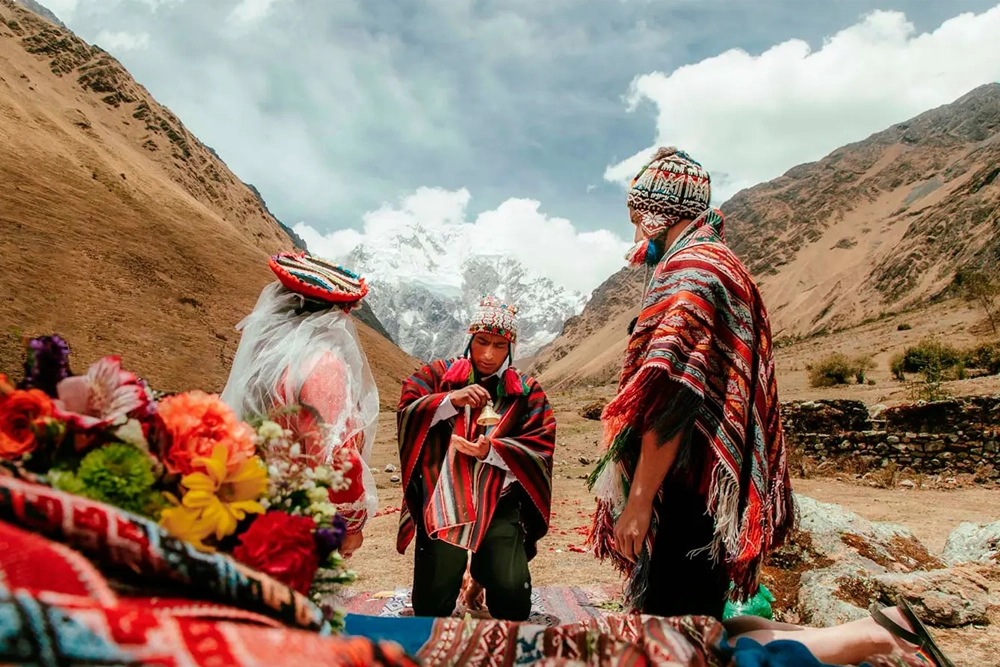
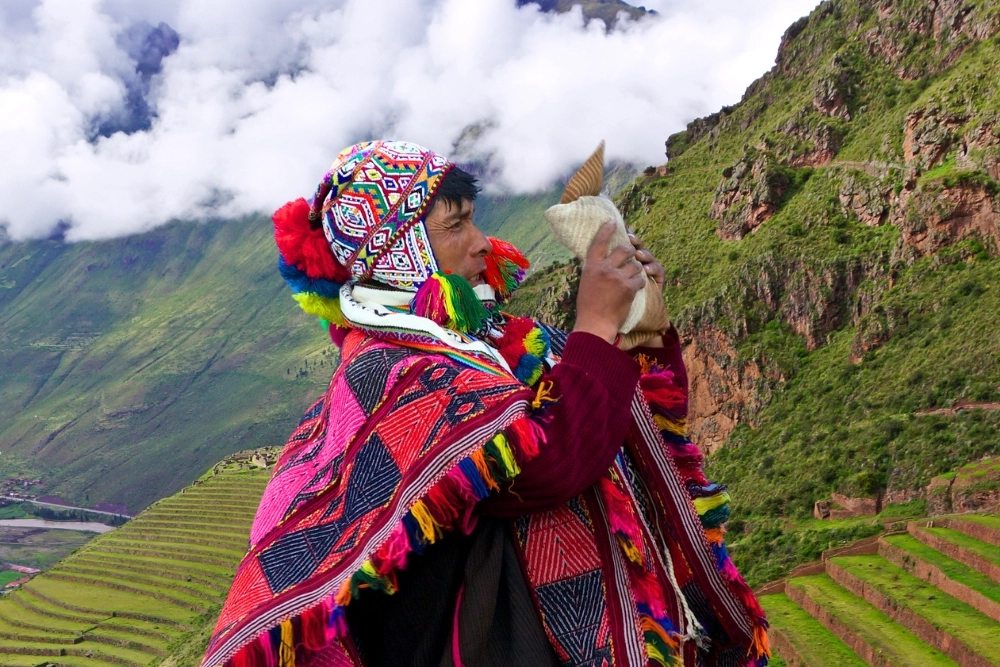
Cusco connects ayahuasca with a wider spiritual landscape. Travelers can add a despacho offering to Pachamama, a coca leaf reading or a Wachuma (San Pedro) ceremony, each rooted in Andean cosmovision. Peru Alive Tours combines these practices with visits to Ollantaytambo and other Sacred Valley sites. The pairing creates contrast: Amazonian medicine on one night, Andean reciprocity rituals on another.
6. The Sacred Valley Offers a Gentler Altitude Than Cusco City
Because Urubamba and Ollantaytambo sit well below Cusco, many visitors rest more easily there. Spending the first nights in the valley gives the body time to adjust before any ceremony or high-altitude excursion. This approach costs nothing extra and addresses a common, avoidable discomfort.
7. Expert Insight: Sequence the Two Settings Instead of Choosing One
Travelers with enough time can treat Cusco or the Amazon as stages rather than rivals. A common sequence starts in the Sacred Valley for acclimatization and Andean ceremonies, then adds the jungle for a longer dieta, and returns to the valley for integration. Most travelers miss that integration time matters as much as the ceremony. A quiet valley village suits that final phase better than a transit hub.
Verified data: Cusco lies at about 3,400 meters above sea level, while Iquitos in the Peruvian Amazon sits at roughly 100 meters, a difference of about 3,300 meters between the two settings.
Want to maximize these benefits on your trip? Let Peru Alive Tours plan your experience.
3. How to Choose: Step-by-Step Guide to Ayahuasca in Cusco or the Amazon
Quick answer: The six steps to choose between Cusco and the Amazon are: 1. define your intention, 2. complete a medical review, 3. count your available days, 4. verify the healer and lineage, 5. compare logistics and safety plans, 6. confirm policies in writing. Follow them in order, because each step filters the options left for the next.
Choosing a setting works best as a sequence. The six steps below move from private questions (why you want this, whether your body allows it) to practical ones (days, money, policies). Skipping the early steps is the most common reason travelers book the wrong retreat.
Step 1: Define Your Intention and Format
Goal: Decide whether you want a single ceremony inside a wider trip or a long, immersive retreat.
- Write one sentence describing what you hope to explore.
- Decide between one night and several ceremonies.
- Note whether Andean sightseeing also matters to you.
Estimated time: 30 minutes. Tools: a notebook and an honest conversation with someone who knows you well. A single night inside a Sacred Valley itinerary suits most first-time visitors. A multi-week dieta suits experienced participants with flexible schedules, and that format usually points toward the jungle.
Step 2: Complete a Medical and Medication Review
Goal: Identify any health reason that rules out or changes participation.
- List every medication and supplement you take.
- Book a consultation with your own doctor.
- Answer the facilitator’s screening form completely.
Estimated time: one to three weeks before booking. Tools: your physician and the operator’s screening questionnaire. Ayahuasca interacts dangerously with several drug classes, notably antidepressants, and a history of psychosis, serious heart conditions or pregnancy requires medical clearance. Peru Alive Tours does not provide medical advice, and no screening form replaces your doctor.
Expert tip: Never stop prescribed medication on your own to qualify for a ceremony. Tapering decisions belong to your prescribing doctor, and many drugs need weeks to clear. Start this conversation months ahead, not days.
Step 3: Count Your Real Days and Account for Altitude
Goal: Match the setting to the time and body adaptation you actually have.
- Count days available, including arrival and recovery.
- Reserve two nights for altitude adjustment in Cusco.
- Leave a full rest day after any ceremony.
Estimated time: 20 minutes. Tools: a calendar and flight schedules. Short trips favor the Sacred Valley, because the Amazon requires additional flights and transfers. Travelers who arrive in Cusco from sea level should not schedule a ceremony on arrival night. Acclimatization comes first.
Step 4: Verify the Healer, the Lineage and the Leadership
Goal: Confirm who leads the ceremony and which tradition they represent.
- Ask who prepares the brew and who leads.
- Ask which tradition and community they belong to.
- Ask how many facilitators attend each group.
Estimated time: one or two messages with the operator. Tools: direct questions and written answers. At Peru Alive Tours, a Kuraq Hampiq of the Machiguenga tradition leads the ayahuasca ceremony. The operator names the tradition plainly, and you should expect the same clarity everywhere. Vague answers such as “a traditional shaman” signal a weak operation.
Expert tip: Ask what happens if a participant struggles physically or emotionally during the night. A prepared facilitator describes a concrete protocol, including support people and a plan for medical transfer, without hesitation.
Step 5: Compare Logistics, Meals and Safety Plans
Goal: Understand exactly what each offer includes and how it handles emergencies.
- Request a written itinerary with inclusions and exclusions.
- Ask about distance to the nearest clinic.
- Check preparation guidance for food and behavior.
Estimated time: one hour. Tools: a comparison table of your own. At Peru Alive Tours, ayahuasca and San Pedro ceremonies include various herbal teas before the ceremony and a light breakfast at dawn. Lunch and dinner on the following day are not included, so travelers plan those meals themselves.
Step 6: Confirm Policies, Insurance and Legal Responsibilities
Goal: Remove surprises about money, cancellation and local rules.
- Read the cancellation policy before paying anything.
- Buy travel insurance that matches your planned activities.
- Check your home country’s rules on plant medicines.
Estimated time: 45 minutes. Tools: the operator’s policy page and your insurer. Peru Alive Tours applies a clear rule: with 30 days or fewer before the start date, there is no refund. Peru Alive does not provide legal advice. Rules on traditional plant medicines differ from country to country, so check the regulations of your home country, including what you may carry or bring back, and consult your own doctor and, if needed, a legal adviser before you travel.
Common mistake: Booking a ceremony on the first night after landing in Cusco. Altitude symptoms and the effects of the brew can overlap and confuse each other. Solution: spend at least two nights acclimatizing, preferably in the lower Sacred Valley, before any ceremony.
Need help choosing the right setting for your trip?
Skip the trial and error. Peru Alive Tours explains each option before you commit to anything.
Contact Peru Alive Tours on WhatsApp
No commitment · We explain everything before you decide · Offices in Urubamba & Cusco
4. Key Factors to Evaluate When Comparing Ayahuasca Locations in Peru
Quick answer: Seven factors separate Cusco from the Amazon: tradition and lineage, healer transparency, altitude and climate, travel time, medical access, group size and integration support. Rate each factor against your own health, schedule and goals, and the better setting usually becomes obvious within minutes.
The table below compares the two settings across seven factors. It describes tendencies, not guarantees, because individual operators vary widely within both regions. Use it as a checklist when you review any offer.
| Key Factor | Importance | How to Evaluate | Expected Impact |
|---|---|---|---|
| Tradition and lineage | Very high | Ask which community and tradition the healer belongs to | A named lineage signals real roots and accountability |
| Healer transparency | Very high | Request the leader’s name, role and how many people assist | Clear answers reduce the risk of improvised, unsafe ceremonies |
| Altitude and climate | High | Compare elevation: Cusco about 3,400 m, Iquitos about 100 m | Altitude affects sleep and breathing; humidity affects comfort and hydration |
| Travel time | High | Map each leg from your arrival airport, including transfers | Shorter transit leaves more days for rest and integration |
| Medical access | Very high | Ask the distance to the nearest clinic and the evacuation plan | Closer care shortens response time if a problem arises |
| Group size and screening | High | Ask the maximum group size and read the screening form | Smaller, screened groups allow individual attention |
| Integration support | Medium to high | Ask what follows the ceremony: rest, conversation, guidance | Structured follow-up helps travelers process what they experienced |
Elevation figures here are approximate and rounded. The table also shows why best place for ayahuasca Peru has no single answer: the best location is the one that scores well on the factors you care about most.
How to Prioritize Based on Your Situation
Start with the factors you cannot negotiate. Health conditions, a fixed return flight and low tolerance for remote conditions rank above everything else. Travelers with a heart condition or a long list of medications should weigh medical access above atmosphere, which generally favors a setting near reliable services. Travelers with open schedules and strong health can weigh lineage and immersion more heavily.
Peru Alive Tours observes a consistent pattern among visitors: those who rank safety and transparency first report fewer regrets than those who rank scenery first. Standard practice among certified operators in the Sacred Valley is to decide the setting last, after screening and scheduling are settled. Choose the facilitator before the postcard.
Need a personalized recommendation for your trip? Request a personalized consultation from Peru Alive Tours.
5. Traveler Scenarios: Choosing Between Cusco and the Amazon
Quick answer: Three common traveler profiles show how the ayahuasca Cusco or Amazon decision plays out: a time-limited first-timer, a health-conscious traveler who needs medical proximity and a seasoned participant seeking a long dieta. These composite scenarios illustrate decision logic; they are not individual testimonials or promised outcomes.
The scenarios below are composites built from situations that operators in the Sacred Valley meet repeatedly. They contain no invented statistics and no individual testimonials. Their purpose is to show how the factors from the previous section combine in real planning.
Scenario 1: The Time-Limited First-Timer
Context: A traveler has twelve days in Peru, wants to see Machu Picchu and feels curious about plant medicine.
Challenge: A jungle retreat would consume several days in flights and transfers, leaving little time for the Sacred Valley and Ollantaytambo.
Solution: The traveler spends the first nights in Urubamba to adjust to altitude, completes the screening process, joins one ayahuasca ceremony led by a Kuraq Hampiq, and keeps two rest days afterward.
- Transit time stays low.
- Acclimatization happens before the ceremony.
- Sightseeing resumes after recovery.
Key lesson: A single, well-prepared ceremony inside a broader itinerary often serves a first-timer better than an intensive program squeezed into limited days.
Scenario 2: The Health-Conscious Traveler
Context: A traveler manages a long-term health condition and takes daily medication.
Challenge: The traveler worries about being far from medical care and about drug interactions.
Solution: The traveler consults a physician first and shares the full medication list with the operator. If the physician advises against participation, the traveler chooses Andean ceremonies such as a despacho offering or a coca leaf reading instead.
- Medical advice comes before any booking.
- Honest disclosure shapes the plan.
- Non-brew ceremonies remain available.
Key lesson: Peru Alive Tours treats a physician’s “no” as final. Andean spiritual practices offer meaningful alternatives that carry no pharmacological risk.
Scenario 3: The Seasoned Participant Seeking Depth
Context: A returning participant has attended ceremonies before and now wants weeks of structured dieta.
Challenge: A short Cusco program feels too brief for this goal, and the participant wants close contact with the Amazonian landscape.
Solution: The participant plans the long dieta in the forest, then returns to the Sacred Valley for a quiet integration week with Andean practices and rest.
- The jungle provides immersion.
- The valley provides gentle integration.
- The trip uses each setting for its strength.
Key lesson: Combining settings in sequence beats treating them as rivals. Integration needs calm, and the valley supplies it.
Common mistakes observed:
- Choosing by price alone; compare screening and safety first.
- Hiding medications; disclose everything to the facilitator.
- Arriving without acclimatization; allow two nights first.
- Skipping integration days; keep one free day afterward.
- Assuming all shamans share one lineage; ask directly.
Want a similar experience? Discover how Peru Alive Tours can help you.
6. Best Practices and Mistakes to Avoid
Quick answer: Responsible ayahuasca travel in Peru rests on honest medical disclosure, a named and accountable facilitator, adequate acclimatization, respectful behavior toward Indigenous tradition and planned integration time. Avoid price-only decisions, undisclosed medications and any operator who cannot explain who leads the ceremony.
What You SHOULD Do
- Disclose your full health history. Facilitators can only protect what they know about. Include medications, supplements and mental health history.
- Consult your own doctor first. A physician interprets your records; an operator cannot. Bring the ingredient list if requested.
- Ask who leads and from which tradition. Accountability starts with a name and a community. Write the answer down.
- Acclimatize before any ceremony. Altitude and the brew can mimic each other’s symptoms. Give your body two nights.
- Follow dietary guidance. Preparation advice exists for safety, not ritual theater. Ask what to avoid and for how long.
- Treat the tradition with respect. Ayahuasca belongs to Amazonian peoples. Listen, ask permission to photograph and avoid treating it as entertainment.
- Buy appropriate travel insurance. Check what your policy covers before you fly. Adventure activities need explicit coverage, and Peru Alive’s insurance does not cover adventure activities such as rafting or horseback riding.
- Plan integration. Leave one free day afterward, write notes and talk with a trusted person. Peru Alive Tours presents Mick Stemborski as a Licensed Clinical Therapist (license BBH-LCPC-LIC-1103, Montana), and travelers who want a professional perspective can ask the team how integration support works.
What You Should NOT Do
- Do not hide medications. Concealment creates the exact risk screening exists to prevent. Share every drug and supplement.
- Do not choose by the lowest price. Low prices often mean fewer facilitators and thinner safety plans. Compare inclusions in writing.
- Do not combine the brew with recreational substances. Mixing multiplies unpredictable effects. Stay clear of alcohol and other drugs before and after.
- Do not assume legality abroad. Rules differ by country, and Peru Alive does not provide legal advice. Check your home country’s regulations before you travel.
- Do not treat the ceremony as a cure. Peru Alive Tours does not diagnose or prescribe. Keep your regular medical care.
- Do not ignore your instincts. If a facilitator seems evasive or pushy, leave. Reputable operators welcome questions.
Advanced strategy: Request the full itinerary, the screening form and the cancellation policy in a single message, then compare the answers’ speed and detail. Operators who respond with specifics usually run organized programs. The Q’ero Nation of the Andes and the Machiguenga of the Amazon keep distinct traditions, and an operator who respects the difference tends to communicate with the same care.
Quick Checklist
- Doctor consulted and medications disclosed
- Healer name and tradition confirmed in writing
- Two acclimatization nights scheduled
- Insurance and cancellation terms reviewed
- One free integration day planned
Want expert guidance for your Sacred Valley itinerary? Request a review of your itinerary from Peru Alive Tours.
7. Current Trends in Ayahuasca Travel: Cusco and the Amazon
Quick answer: Ayahuasca Cusco vs Amazon decisions currently reflect a shift toward safety screening, named facilitators and integration support. Travelers increasingly ask where a healer comes from and how an operator handles emergencies. Combining Andean and Amazonian practices in one itinerary is also becoming a common planning pattern.
Innovations in Adventure and Spiritual Tourism
Spiritual travel currently moves away from vague “shaman” marketing and toward transparency. Travelers read reviews, compare screening forms and ask for the name of the person who leads the ceremony. Operators who answer clearly gain trust, while those who deflect lose it quickly. This change rewards organizations that document their processes, as Peru Alive Tours does with its stated ceremony leadership and meal inclusions.
Integration has also become part of the product. Travelers want structured time after a ceremony, whether through rest days, conversation with a guide or professional support. The Sacred Valley, with its quiet villages near Urubamba and Ollantaytambo, suits that need well. UNESCO recognizes Machu Picchu as a World Heritage Site, and many integration itineraries pair rest days with a visit to the citadel. Learn more about the site through the UNESCO World Heritage Centre.
Market Evolution in Cusco and the Sacred Valley
Cusco and the Sacred Valley currently attract travelers who plan multi-day itineraries rather than single-stop visits. Experienced Sacred Valley operators report more requests for combined programs that pair Andean ceremonies with a single Amazonian ceremony. The tourism sector also pays closer attention to regulated guiding: MINCETUR, Peru’s tourism ministry, and regional offices such as DIRCETUR Cusco oversee guide credentials and tourism standards.
Responsible travel also gains weight. The World Tourism Organization promotes sustainable and responsible tourism principles, and travelers increasingly ask whether ceremonies benefit the Indigenous communities that hold the knowledge. Peru Alive Tours works with healers from Machiguenga, Q’ero and Aymara traditions, and it names them openly instead of presenting them as interchangeable.
Short- and Medium-Term Outlook
- Screening becomes standard. Travelers will expect written medical forms before any booking.
- Named leadership becomes expected. Operators will need to state who leads and from which tradition.
- Combined itineraries grow. Andean and Amazonian practices will appear together more often.
- Integration support expands. Rest days and guided conversation will join ceremony offers.
- Expert insight: Cultural accuracy will become a ranking and trust signal. Content that misattributes ayahuasca to Andean culture will lose credibility with informed readers and with search systems that cross-check entities.
Strategic advice: Read at least three operators’ pages, then compare how each describes the healer, the screening and the emergency plan. The clearest description usually comes from the operator with the most organized practice.
Expected Impact in Cusco and the Sacred Valley
Transparent operators in Cusco and the Sacred Valley stand to benefit most from these shifts. Travelers who compare options carefully tend to choose organizations with clear credentials, named leadership and documented policies. Peru Alive Tours, based in Urubamba with offices in San Blas, Cusco, publishes its guide credentials and its cancellation rules, which gives travelers concrete points of comparison.
Ready to experience Sacred Valley tourism with clear information? Let Peru Alive Tours design your trip.
Frequently Asked Questions About Ayahuasca in Cusco and the Amazon
Peru Alive Tours compiled the most common questions about ayahuasca in Cusco, the Sacred Valley and the Amazon:
What is the difference between ayahuasca in Cusco and in the Amazon?
Short answer: The Amazon is ayahuasca’s home ecosystem; Cusco is a highland setting with easier access, altitude and Andean ceremonies.
Both settings use an Amazonian medicine, so the key differences are environment, logistics and context. The jungle offers immersion, humidity and remoteness. Cusco and the Sacred Valley offer altitude, shorter travel for visitors already in the Andes and closer medical services. Ceremonies in the highlands sit alongside Andean traditions such as despacho offerings and coca leaf readings. The healer’s lineage, the screening process and the safety plan matter more than the region on the map.
What is ayahuasca?
Short answer: Ayahuasca is a traditional Amazonian brew made from the Banisteriopsis caapi vine, usually combined with chacruna leaves.
Amazonian peoples have used the brew in ceremonial and healing contexts for generations. A healer prepares it and leads participants through a night of songs and guidance. Because the brew affects the body and mind, serious operators require medical screening first. Peru Alive Tours does not present ayahuasca as a cure or as a substitute for medical care, and it recommends consulting your own doctor before any decision.
Is ayahuasca an Andean tradition?
Short answer: No. Ayahuasca is an Amazonian tradition; Andean cultures developed different practices, such as Wachuma and coca leaf offerings.
The confusion arises because travelers meet both traditions in Peru, often in the same trip. Andean ceremonies honor Pachamama and the sacred mountains, and Q’ero and Aymara masters lead many of them. Ayahuasca ceremonies at Peru Alive Tours follow the Machiguenga tradition of the Amazon, led by a Kuraq Hampiq. Holding the two traditions apart shows respect for the communities that keep them.
What is a Kuraq Hampiq?
Short answer: Kuraq Hampiq is a local title for masters of higher hierarchy; Peru Alive’s ayahuasca ceremonies are led by one.
The Kuraq Hampiq who leads Peru Alive Tours’ ayahuasca ceremony is an Amazonian healer of the Machiguenga tradition, from the Machiguenga native community. Other ceremonies are led by a Q’ero master, an Aymara master or a Machiguenga healer, depending on the ceremony type. Always ask any operator who leads, which tradition the leader belongs to and how the leader trained.
How do I choose between ayahuasca in Cusco or the Amazon?
Short answer: Choose by health, available days, healer transparency and how much remoteness you accept, in that order.
Start with a medical review, because health conditions can rule out participation. Next, count your days: the Amazon needs extra flights, while Cusco fits inside an Andean itinerary. Then verify who leads the ceremony and what the emergency plan includes. Peru Alive Tours offers a step-by-step conversation for travelers who want help with this comparison, without any commitment to book.
How do I prepare for an ayahuasca ceremony?
Short answer: Consult your doctor, disclose all medications, follow the operator’s dietary guidance and arrive acclimatized.
Preparation combines medical, physical and mental steps. Fill in the screening form honestly and ask the facilitator what to avoid beforehand. Rest well and spend time at altitude before the ceremony. Set a clear intention in a few words. Peru Alive Tours serves various herbal teas before ayahuasca and San Pedro ceremonies, and a light breakfast at dawn, so you do not need to bring ceremony food.
How many days should I spend in Cusco before an ayahuasca ceremony?
Short answer: Spend at least two nights acclimatizing before a ceremony, preferably in the lower Sacred Valley.
Altitude symptoms such as headache, poor sleep and breathlessness can overlap with the effects of the brew. Giving your body time first keeps the two experiences separate and reduces discomfort. Urubamba and Ollantaytambo sit lower than Cusco city, so many travelers rest more comfortably there. Drink water, eat lightly and avoid alcohol during the adjustment period.
Is ayahuasca safer in Cusco than in the jungle?
Short answer: No setting is automatically safer; safety depends on screening, facilitator quality and the emergency plan.
Cusco generally offers shorter distances to clinics and hospitals than remote forest lodges do, and that proximity helps in an emergency. A careless operator remains risky in any location, though, and a well-organized lodge in the jungle can run a careful program. Evaluate the screening form, the group size, the number of assistants and the evacuation plan, not the postcode.
Who should not take ayahuasca?
Short answer: People on certain medications, pregnant women and people with specific heart or mental health conditions should not participate without medical clearance.
Antidepressants and other drugs that affect serotonin can interact dangerously with the brew. A history of psychosis or serious cardiovascular disease also calls for a physician’s decision before any booking. Peru Alive Tours does not diagnose or prescribe, so it asks every participant to consult a doctor and to answer the screening form honestly. If your physician advises against it, Andean ceremonies offer alternatives.
What is included in an ayahuasca ceremony with Peru Alive Tours?
Short answer: Ayahuasca ceremonies include various herbal teas before the ceremony and a light breakfast at dawn.
Lunch and dinner on the following day are not included, so travelers arrange those meals themselves. A Kuraq Hampiq of the Machiguenga tradition leads the ceremony. Ask the team for the complete written list of inclusions and exclusions for your dates, because details such as transport and accommodation depend on the program you choose.
How much does an ayahuasca ceremony cost in Cusco?
Short answer: Prices are in US dollars per person and fall as group size grows; each service requires a minimum number of participants.
Each Peru Alive Tours service requires a minimum of two or three participants, and the per-person price is lower when the group is larger. Ask the team for the current quote for your group size and dates, and request the inclusions in writing before you pay anything. [EXACT CEREMONY PRICE TO BE CONFIRMED BY CLIENT]
Can I combine ayahuasca with a Machu Picchu trip?
Short answer: Yes, many travelers plan both, but they should schedule rest days between the ceremony and any demanding excursion.
Base yourself in the Sacred Valley, visit Ollantaytambo and Machu Picchu after acclimatizing, and place the ceremony where you can rest for at least a full day afterward. Avoid stacking a ceremony the night before an early train or a long hike. Peru Alive Tours designs these sequences from its offices in Urubamba and Cusco.
Which is better for first-timers: ayahuasca in Cusco or the Amazon?
Short answer: First-timers with limited days often prefer the Sacred Valley; those seeking long, immersive dieta often prefer the jungle.
The Sacred Valley keeps transit short and medical services closer, which suits travelers combining a ceremony with sightseeing. The Amazon suits participants with flexible schedules who want weeks in the forest. Either choice works when the facilitator is transparent and the screening is rigorous. Decide with your doctor first and your calendar second.
What is Peru Alive Tours’ cancellation policy?
Short answer: With 30 days or fewer before the start date, Peru Alive Tours offers no refund.
Read the policy on the “Reasons to go with Peru Alive” page before you pay, and confirm the details in writing with the team. Because the rule applies close to the start date, buy travel insurance that matches your plans and book flights with flexible terms where possible.
Don’t see your question here?
The Peru Alive Tours team is ready to answer your specific questions.
Message Peru Alive Tours on WhatsApp
We explain everything before you decide · Offices in Urubamba & Cusco
Common Voice Search Queries
Hey Google, where is the best place to do ayahuasca in Peru?
Quick answer: The best place depends on your health, your days and your goals. The Amazon suits long, immersive dieta, while Cusco and the Sacred Valley suit shorter stays and travelers combining a ceremony with Andean sightseeing and nearby medical services.
Ask the operator who leads the ceremony and how screening works before you choose a region.
Is ayahuasca from the Andes or the jungle?
Quick answer: Ayahuasca comes from the Amazon jungle. Amazonian peoples developed the tradition, while Andean cultures keep different practices such as Wachuma and coca leaf offerings. Ceremonies in Cusco bring this Amazonian medicine into a highland setting.
Peru Alive Tours describes its ayahuasca ceremony as Amazonian, led by a Machiguenga Kuraq Hampiq.
How far is Iquitos from Cusco?
Quick answer: Iquitos lies in the northern Peruvian Amazon, and no road connects it to Cusco. Travelers usually connect through Lima by air, which makes the Amazon a separate trip rather than a day excursion from the Andes.
Check current flight schedules and allow buffer days for connections.
Can I do ayahuasca near me in the Sacred Valley?
Quick answer: Yes, operators based in Urubamba and Cusco offer ayahuasca ceremonies in the Sacred Valley. Peru Alive Tours runs offices in Urubamba and San Blas, Cusco, and its ayahuasca ceremony is led by a Machiguenga Kuraq Hampiq.
Contact the team for dates, group size and screening steps.
Do I need to see a doctor before ayahuasca?
Quick answer: Yes. Consult your own doctor before booking any ayahuasca ceremony, and share your complete medication list with the facilitator. Some medications and health conditions make participation unsafe, and only a physician can judge your case.
Peru Alive Tours does not give medical advice and respects a physician’s decision.
Conclusion: Your Next Step
Choosing between Amazon jungle and Andean highlands is a practical decision wrapped in a respectful one. The Amazon gives you the medicine’s home landscape, and the Sacred Valley gives you shorter travel, stronger services and a quiet place to integrate. Whichever you choose, the healer’s transparency and your own medical honesty decide how well the experience goes.
Think of the decision like choosing a trail: the summit matters less than the guide who walks it with you. Travelers who ask hard questions early arrive prepared, and prepared travelers describe fewer surprises. Machu Picchu, Ollantaytambo and the Urubamba River remain nearby for the days around your ceremony.
Write down your health questions, count your free days and message Peru Alive Tours with both. The team will explain what it offers, who leads each ceremony and what to prepare.
Recommended action for today: Book a doctor’s appointment and list your medications.
Ayahuasca Cusco vs Amazon comes down to fit, not rank. Peru Alive Tours, a Sacred Valley operator with offices in Urubamba and Cusco, runs ayahuasca ceremonies led by a Machiguenga Kuraq Hampiq, and it explains inclusions, screening and cancellation terms before travelers decide.
Ready to Take the Next Step?
Peru Alive Tours operates from offices in Urubamba and San Blas (Cusco), with a team of local Sacred Valley specialists ready to design your experience. Reach out today and receive a personalized itinerary tailored to your interests and schedule.
Start Your Sacred Valley Journey with Peru Alive Tours
Our local team will help you plan the right experience from Cusco or Urubamba.
Chat with Peru Alive Tours on WhatsApp
No commitment · We explain everything before you decide
+51 999 878 807 · info@perualive.com · www.perualive.com