
Executive Summary
Quick answer: Ayahuasca integration is the structured process of turning insights, emotions, and sensations from an ayahuasca ceremony into lasting daily habits. It combines rest, reflection, body care, supportive conversation, and gradual behavior change over weeks and months. Peru Alive Tours guides travelers through this process from Urubamba and Cusco.
Key takeaways:
- Ayahuasca integration starts the morning after the ceremony, not after your flight.
- Rest, food, and sleep come before analysis of the experience.
- Journaling and trusted conversation turn impressions into usable insight.
- Postpone major life decisions until your emotions settle.
- Professional therapeutic support helps when difficult material surfaces.
Article data:
- Read time: 26 minutes
- Level: Beginner to Intermediate
- Prepared by Peru Alive Tours, Sacred Valley specialists
- Based on 4 authoritative sources plus field practice
The ceremony ends at dawn, but your mind keeps running at ceremony speed. Back home, ordinary conversations feel flat, and the insights you carried out of the night start to blur.
Ayahuasca integration: what it is and how to integrate the experience after returning home is the question most travelers ask too late, usually from an airport gate or their own kitchen. Experienced Sacred Valley operators report that the days and weeks after a ceremony shape the lasting result more than the ceremony night itself.
This guide explains the process in plain steps: what happens in your body and mind afterward, how to structure the first 72 hours, which practices hold up over months, and when to seek professional help. You also get a decision table, three illustrative scenarios, and answers to the questions travelers send Peru Alive Tours most often. Read it before your trip, keep it for the flight home, and return to it whenever the experience feels far away.
Table of Contents
- What Is Ayahuasca Integration? Definition and Context
- Proven Benefits of Integrating an Ayahuasca Experience
- Step-by-Step Guide to Integrate Your Experience
- Key Factors That Shape Your Ayahuasca integration
- Real Traveler Scenarios After a Ceremony
- Best Practices and Mistakes to Avoid
- Current Trends in Ayahuasca integration Support
- Frequently Asked Questions
- Common Voice Search Queries
- Conclusion and Next Steps
1. What Is Ayahuasca Integration? Definition and Context
Quick answer: What is ayahuasca integration? It is the deliberate process of processing, understanding, and applying what surfaced during an ayahuasca ceremony. It runs from the first morning through the following months, uses practical tools such as journaling, rest, conversation, and therapy, and aims to turn insight into stable daily behavior.
Integrating an ayahuasca experience after the ceremony is a type of reflective aftercare oriented toward travelers and practitioners who want lasting change rather than a memorable night. It differs from the ceremony itself by one key feature: the ceremony opens material, while ayahuasca integration decides what you do with it. It includes rest, nutrition, emotional processing, meaning-making, and behavior change.
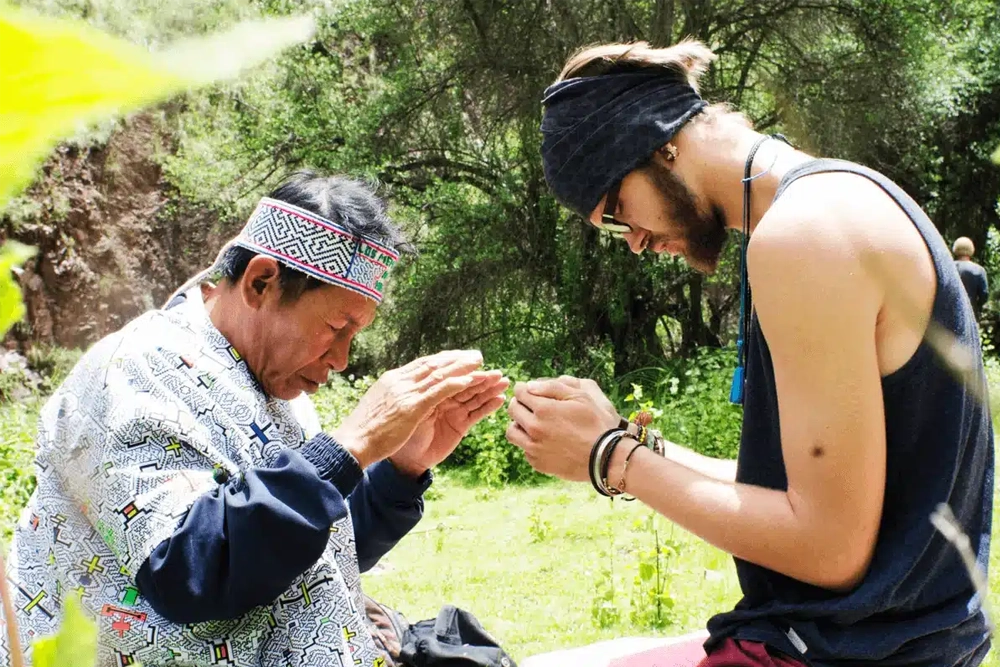
Ayahuasca is an Amazonian plant brew with a long tradition among Amazonian peoples. Peru Alive Tours works with a Kuraq Hampiq, an Amazonian healer of the Machiguenga tradition from the Machiguenga native community. “Kuraq Hampiq” is a local title for masters of higher hierarchy. That context matters, because ayahuasca integration in the Amazonian view is not a Western wellness add-on: it belongs to the same healing relationship that began in the ceremony.
The term “integration” also comes from modern psychology, where it describes bringing separate parts of experience into a coherent whole. Both views agree on one point. An intense experience without a plan for afterward often fades, or it unsettles the person who had it.
Historical Background
Amazonian communities have used ayahuasca for generations within ceremonial and healing frameworks. In those settings, the community, the healer, and the daily rhythm of life absorbed much of the ayahuasca integration work automatically. People returned to the same village, the same elders, and the same landscape.
International travel changed that equation. Over the past decade, visitors have arrived from cities where nobody around them shares the reference points of the ceremony. Think of a ceremony as planting a seed: in the village the soil is already prepared, while a traveler often has to prepare the soil after landing. That gap created the modern field of ayahuasca integration support.
Why It Matters Today
Currently, most travelers join a ceremony for a defined window of days, then fly home within a week. Ayahuasca integration practitioners describe this compressed timeline as the central risk: strong material surfaces quickly, and the usual support structures sit thousands of kilometers away.
The non-obvious insight is that ayahuasca integration is not only about processing difficult moments. Pleasant, euphoric, or “easy” ceremonies also require ayahuasca integration, because they can create unrealistic expectations of how everyday life should feel. Facilitators with long field experience watch for this pattern as closely as they watch for distress.
The Sacred Valley and Cusco Context
Peru Alive Tours operates from Urubamba and San Blas in Cusco, and the Sacred Valley setting shapes the first days of ayahuasca integration. Urubamba sits at roughly 2,870 meters above sea level and Cusco at roughly 3,400 meters, so altitude adds physical load to an already demanding emotional experience. Hydration, light meals, and unhurried mornings help the body recover.
The ayahuasca and San Pedro ceremonies from Peru Alive Tours include various herbal teas before the ceremony and a light breakfast at dawn. They do not include lunch or dinner the following day, so plan your first full day deliberately: choose a quiet place to eat, keep the schedule open, and avoid packing it with sightseeing.
Key fact: Experienced Sacred Valley operators agree that the first 72 hours after a ceremony carry the highest emotional sensitivity, and that a packed itinerary during that window works against ayahuasca integration.
Want to explore how ayahuasca integration applies to your specific travel plans? Check the FAQ section or ask Peru Alive Tours on WhatsApp.
2. Proven Benefits of Integrating an Ayahuasca Experience
Quick answer: Structured ayahuasca aftercare helps you stabilize emotions, retain insights, protect relationships, and convert intentions into habits. Travelers who plan ayahuasca integration before they leave also reduce the sense of crash that follows the ceremony and gain a clearer sense of what to change at home.
Integrating the experience after returning home produces practical results that you can observe in daily life. The benefits below reflect what facilitators and integration-oriented therapists describe, not guaranteed outcomes. Individual results vary, and ayahuasca integration never replaces medical or psychological care.
1. Emotional Stability After the Ceremony
Impact: ceremonies often bring strong emotions to the surface, and ayahuasca integration gives those emotions a place to land. Writing, talking, and resting help the nervous system settle instead of staying activated. Example: a traveler who returns to Cusco hotel quiet after dawn breakfast, writes for twenty minutes, and sleeps usually meets the afternoon with less overwhelm than one who joins a group tour at midday.
2. Better Retention of Insights
Impact: insights fade quickly, much like dreams, unless you record them. A written record turns a fleeting impression into something you can test against real life. Example: noting a phrase, an image, or a body sensation on the first morning gives you raw material to revisit weeks later in the Sacred Valley or at home.
3. A Smoother Re-entry to Daily Life
Impact: the contrast between ceremony and routine can feel jarring, a pattern many travelers call the ayahuasca come down. Ayahuasca integration practices reduce that contrast by building small bridges: a morning ritual, a walk, a call with someone who understands. Example: a traveler plans a rest day in Urubamba before flying out, rather than boarding a plane the same afternoon.
4. Healthier Relationships
Impact: people around you did not attend the ceremony, so sharing the experience clumsily can create distance. Ayahuasca integration teaches you to share selectively and listen as much as you speak. Example: describing one concrete change you intend to make lands better with a partner than a long account of visions.
5. Clearer Intentions and Habits
Impact: ayahuasca integration converts a vague feeling that “something must change” into specific, small actions. Small actions repeated daily outlast dramatic gestures. Example: committing to ten minutes of daily breathwork or a weekly call with a friend stays achievable when you return to your work calendar.
6. Earlier Recognition of Difficult Material
Impact: when you track mood and sleep in the weeks afterward, you notice patterns that need professional attention sooner. Example: a traveler who keeps a simple daily log sees that anxiety is rising rather than settling, and contacts a therapist instead of waiting.
7. Respect for the Tradition (Expert Insight)
Impact: the least discussed benefit is cultural. Ayahuasca integration keeps the relationship to the Machiguenga healer and the Amazonian tradition respectful and honest, instead of reducing the ceremony to a personal-growth experiment. Expert practitioners suggest sending a short note of thanks, honoring any dietary guidance given, and avoiding public retellings that sensationalize the ceremony.
Verified data: Peru Alive Tours includes herbal teas before ayahuasca ceremonies and a light breakfast at dawn, which gives travelers a gentle physical starting point for the first hours of ayahuasca integration.
Want to maximize these benefits on your trip? Let Peru Alive Tours plan your experience.
3. Step-by-Step Guide to Integrate Your Ayahuasca Experience
Quick answer: The six steps of ayahuasca integration are: 1. rest and eat gently, 2. record impressions, 3. talk with a trusted person, 4. move and ground your body, 5. translate insights into small habits, 6. seek professional support when needed. Follow them in order during the first weeks.
Step 1: Rest and Eat Gently
Goal: give your body room to recover before your mind starts analyzing.
- Sleep as long as your body asks.
- Eat simple, warm, easily digested meals.
- Drink water and herbal tea throughout the day.
Estimated time: the first 24 to 72 hours. Tools: a quiet room, light food, a phone on silent. Remember that lunch and dinner on the day after the ceremony are not included, so choose a calm restaurant or prepare food ahead.
Expert tip: Treat the first full day as a recovery day, not a free day. Facilitators with years of field practice rarely schedule anything demanding before the second morning.
Step 2: Record Impressions Before They Fade
Goal: capture raw material while it is fresh.
- Write without editing for fifteen minutes.
- Note images, phrases, emotions, and body sensations.
- Date each entry and leave space for later notes.
Estimated time: 15 to 30 minutes daily for the first week. Tools: a paper notebook, voice memos, or sketches. Avoid interpreting at this stage; interpretation comes later, once the emotional charge drops.
Step 3: Talk With a Trusted Person
Goal: turn private impressions into shared understanding.
- Choose one person who listens without judgment.
- Share what mattered, not every detail.
- Ask for listening, not advice.
Estimated time: one conversation in the first week, then weekly if helpful. Tools: a friend who has done similar work, a facilitator, or a licensed therapist.
Step 4: Move and Ground Your Body
Goal: anchor insights in physical experience.
- Walk daily in nature or along a river.
- Practice slow breathing for five minutes.
- Stretch gently and keep a regular sleep schedule.
Estimated time: 20 to 40 minutes daily. Tools: walking shoes, a quiet outdoor space, a simple breathing routine. The Sacred Valley offers ideal conditions for this step, with river paths and terraces near Urubamba.
Expert tip: Altitude amplifies fatigue. If you stay in Urubamba or Cusco after the ceremony, keep walks gentle and drink water consistently.
Step 5: Translate Insights Into Small Habits
Goal: convert what you learned into behavior you can repeat.
- Pick one to three insights worth acting on.
- Define one small action for each.
- Review progress weekly for the first month.
Estimated time: 30 minutes weekly. Tools: a habit tracker, a calendar reminder, an accountability partner. Small steps beat resolutions: one practice kept for a month outweighs five abandoned in a week.
Step 6: Seek Professional Support When Needed
Goal: get qualified help if difficult material persists.
- Contact a licensed therapist if distress lasts beyond a few weeks.
- Tell your doctor about the ceremony if symptoms appear.
- Reach emergency services immediately if you feel unsafe.
Estimated time: as needed. Tools: a therapist familiar with psychedelic integration, your primary care physician, local crisis lines.
Common mistake and solution: Many travelers make a major decision, such as quitting a job or ending a relationship, within days of the ceremony. The solution is simple: write the decision down, wait several weeks, and revisit it with a clear head and a trusted adviser.
Need help choosing the right ceremony and preparation for your trip?
Ayahuasca integration works best when you plan it before the ceremony. Peru Alive Tours designs personalized experiences.
Contact Peru Alive Tours on WhatsApp
We explain everything before you decide · Offices in Urubamba and Cusco
4. Key Factors That Shape Your Ayahuasca Integration
Quick answer: Seven factors determine how well ayahuasca integration works: time off after the ceremony, physical recovery, emotional support, medical history, quality of the facilitator, environment at home, and realistic expectations. Evaluate each one before you travel, not after you land.
| Key Factor | Importance | How to Evaluate | Expected Impact |
|---|---|---|---|
| Buffer time after the ceremony | Very high | Count free days between the ceremony and your flight or return to work | More free days give your body time to settle before travel stress begins |
| Physical recovery | High | Track sleep, appetite, hydration, and altitude symptoms for three days | Stable sleep and appetite signal that emotional work can begin |
| Emotional support network | Very high | Name two people you can call, and one professional if needed | A named contact reduces isolation during the first weeks at home |
| Medical and mental health history | Critical | Review medications and history with your own doctor before booking | Prevents unsafe combinations and flags the need for closer follow-up |
| Facilitator experience and tradition | Very high | Ask who leads the ceremony, which tradition, and what aftercare they offer | Clear lineage and aftercare make ayahuasca integration easier to continue |
| Home environment | High | Check whether your first week at home allows quiet time and routine | A calm first week protects fragile insights from daily noise |
| Expectations | High | Write what you hope will change, then separate hopes from guarantees | Realistic expectations reduce disappointment and the pressure to feel transformed |
How to Prioritize Based on Your Situation
Start with medical history, because it decides whether a ceremony is appropriate at all. Several common medications, including some antidepressants, can interact dangerously with ayahuasca, so a conversation with your own doctor comes before any booking. After that, protect buffer time. A traveler with five quiet days after the ceremony usually integrates better than one with a luxury itinerary and a tight schedule.
Next, weigh your support network against your history. If you carry a history of trauma or intense anxiety, a therapist who understands this work is not optional. Peru Alive Tours operates in Urubamba and Cusco, and experienced operators in the Sacred Valley consistently advise travelers to arrange follow-up support in their home country before they leave, not once problems surface.
Need a personalized recommendation for your trip? Request a free consultation from Peru Alive Tours.
5. Real Traveler Scenarios After a Ceremony
Quick answer: Travelers meet ayahuasca integration in different ways: some struggle with the return to routine, others with strong emotion, others with the urge to change everything at once. The three illustrative scenarios below show practical responses. They are composite examples, not individual testimonials or guaranteed results.
The scenarios below describe common patterns that facilitators in the Sacred Valley observe. They are composites written for educational purposes, so they carry no statistics, names, or promised outcomes.
Scenario 1: The Professional Who Flies Home Too Soon
Context: A traveler in a demanding corporate role books a ceremony in Urubamba and a flight home the same afternoon. Challenge: Within days, ordinary meetings feel hollow, and sleep stays disrupted. Solution: The traveler blocks two evenings per week for journaling, restarts a daily walking habit, and asks a friend for one weekly conversation.
- Sleep improves once the evening routine returns.
- Journal entries reveal two recurring themes worth acting on.
- One small work boundary replaces the urge to resign.
Key lesson: Re-entry shock responds to routine and boundaries, not dramatic decisions.
Scenario 2: The Traveler Facing Difficult Memories
Context: A traveler describes a ceremony that surfaced painful family memories. Challenge: Back home, intrusive thoughts continue for several weeks. Solution: The traveler contacts a licensed therapist, shares the context of the ceremony, and agrees on a slow pace instead of a deep dive.
- Therapy sessions give the memories a structured setting.
- Grounding practices reduce the intensity between sessions.
- The traveler learns to separate insight from overwhelm.
Key lesson: Professional support is part of ayahuasca integration, not evidence that ayahuasca integration failed.
Scenario 3: The Couple Who Share the Experience Differently
Context: Two partners attend the same ceremony and return with very different impressions. Challenge: Each feels misunderstood when they compare notes too early. Solution: They agree to journal separately for a week, then share one insight each instead of full accounts.
- Separate journaling prevents one story from overwriting the other.
- Listening without correcting keeps the conversation safe.
- Shared habits replace debates about what the ceremony meant.
Key lesson: Different experiences of the same ceremony are normal and need room, not agreement.
Common mistakes observed:
- Rushing back to work. Solution: add two buffer days.
- Making life-changing decisions quickly. Solution: wait several weeks.
- Retelling everything to everyone. Solution: choose one listener.
- Skipping sleep and meals. Solution: protect basic routines first.
- Ignoring persistent distress. Solution: contact a professional early.
Want a similar level of support on your trip? Discover how Peru Alive Tours can help you.
6. Best Practices and Mistakes to Avoid After Ayahuasca
Quick answer: The best ayahuasca integration practices are rest, journaling, grounded movement, selective sharing, and professional help when needed. The most common mistakes are rushing, making big decisions early, ignoring medical guidance, and treating the ceremony as an escape instead of a starting point.
What You Should Do
- Keep your first 72 hours quiet. Your nervous system needs low stimulation. Avoid crowded events and screens where possible.
- Follow any dietary guidance given. Facilitators often recommend simple food. Honor that advice, because it reflects the tradition.
- Write daily for the first week. Short entries beat perfect ones. Consistency matters more than quality.
- Share selectively. Choose one or two listeners. Not everyone is ready to hear about a ceremony.
- Move your body gently. Walking, stretching, and slow breathing help ground intense feelings.
- Set one small intention. A single achievable habit holds better than a long list.
- Return to routine gradually. Restart work and social plans in stages.
- Review medical guidance. Tell your doctor about the ceremony if you take medication or notice physical symptoms.
What You Should Not Do
- Do not combine the ceremony with other substances. Alcohol and recreational drugs cloud processing. Wait and seek advice before using anything.
- Do not schedule adventure activities right away. Rafting, horseback riding, and similar activities demand full attention and physical readiness. Peru Alive Tours insurance does not cover adventure activities, so personal travel insurance that covers them is essential.
- Do not make irreversible decisions. Ending jobs or relationships during emotional intensity often leads to regret.
- Do not compare your experience with others. Ceremonies differ widely, and comparison creates false expectations.
- Do not turn the ceremony into content. Sacred practices deserve discretion. Sensational retellings disrespect the Machiguenga tradition.
- Do not ignore persistent symptoms. Contact a doctor or therapist if distress, sleeplessness, or confusion continue.
Advanced strategy: Treat the first month as three phases: stabilize (week one), reflect (weeks two and three), and apply (week four). Practitioners find that people who skip stabilization often get stuck in reflection, because their body never fully settled.
Quick Checklist
- Two buffer days booked after the ceremony.
- Journal and pen packed in your bag.
- One trusted listener identified at home.
- Doctor informed about your plans and medication.
- Personal travel insurance purchased.
Want expert guidance for your Sacred Valley itinerary? Request a free review from Peru Alive Tours.
7. Current Trends in Ayahuasca integration Support
Quick answer: Current trends in ayahuasca integration after plant medicine include preparation before travel, integration-trained therapists, small-group formats, and greater respect for indigenous leadership. Travelers increasingly ask who leads the ceremony and what aftercare follows, which pushes operators toward more transparency.
Innovations in Plant Medicine Aftercare
Currently, ayahuasca integration is moving from an afterthought to a planned part of the journey. Many therapists now offer ayahuasca integration sessions that do not require them to supervise or endorse a ceremony, which makes support more accessible. Travelers also use journaling apps, guided breathing, and online ayahuasca integration circles, though experienced facilitators remind that digital tools complement, not replace, human support.
Another shift concerns language. Practitioners increasingly distinguish between “integration” as a psychological practice and “aftercare” as the practical care of body and routine. Both matter, and the best programs address both.
Market Evolution in Cusco and the Sacred Valley
Travelers to Cusco and the Sacred Valley increasingly ask about safety, credentials, and cultural respect before they ask about price. Operators that publish clear information about who leads ceremonies, which tradition they belong to, and how they handle aftercare tend to earn more trust. Peru Alive Tours, with offices in Urubamba and San Blas, explains these points before travelers commit.
The Sacred Valley also draws visitors who want to pair a ceremony with slower travel, such as rest days in Urubamba, walks near Ollantaytambo, or visits to Moray and the Maras salt mines. That slower pace supports ayahuasca integration naturally.
Short- and Medium-Term Outlook
- Preparation sessions before travel will become standard practice.
- Integration-trained therapists will multiply in major cities.
- Travelers will demand clearer information about facilitators and tradition.
- Operators will build buffer days into itineraries.
- Expert insight: communities that host ceremonies will play a larger role in defining ethical standards, shifting the conversation from consumer choice to relationship and reciprocity.
Strategic advice: Choose an itinerary with free days after the ceremony, and arrange your home-country support before you fly.
Expected Impact in Cusco and the Sacred Valley
Itineraries in the Sacred Valley will likely lengthen as travelers add rest days around ceremonies. Operators that offer calm lodging, simple food, and guidance for the days after a ceremony will meet this demand more effectively than those that treat ceremonies as one-night attractions.
Ready to experience the latest in Sacred Valley tourism? Let Peru Alive Tours design your trip.
Safety, Culture, and Responsible Preparation
Ayahuasca is a powerful plant medicine, and no ayahuasca integration practice replaces medical advice. Several medications, including some antidepressants, can interact dangerously with ayahuasca, and certain physical and psychiatric conditions call for extra caution. Speak with your own doctor before booking, and disclose everything you take.
Peru Alive Tours does not provide legal advice. Rules on traditional plant medicines differ from country to country, so check the regulations of your home country, including what you may carry or bring back, and consult your own doctor and, if needed, a legal adviser before you travel.
Ayahuasca is an Amazonian tradition. Peru Alive Tours works with a Kuraq Hampiq, an Amazonian healer of the Machiguenga tradition, who leads the ceremony. The company’s founder and guide, Wilbert Yucra Choqqucunsa, holds official guide card No. 627 issued by DIRCETUR Cusco. Learn more about responsible travel from the Peruvian Ministry of Foreign Trade and Tourism, the UNESCO World Heritage Centre, and the World Tourism Organization.
Safety notice: If you feel unsafe or have thoughts of harming yourself after a ceremony, contact local emergency services or a crisis line in your country immediately.
Frequently Asked Questions About Ayahuasca Integration
Peru Alive Tours compiled the most common questions about ayahuasca integration from travelers in the Sacred Valley and Cusco:
What is ayahuasca integration?
Short answer: Ayahuasca integration is the process of turning ceremony insights and emotions into stable daily habits.
It includes rest, journaling, conversation, body care, and sometimes therapy. Ayahuasca integration begins the morning after the ceremony and continues for weeks or months.
Why is ayahuasca integration important after an ayahuasca ceremony?
Short answer: Ayahuasca integration helps you retain insights and avoid confusion or emotional crashes after the ceremony.
Without a plan, powerful impressions often fade or overwhelm. A simple structure of rest, writing, and support keeps the experience useful.
How do I integrate an ayahuasca experience at home?
Short answer: Rest first, journal daily, talk with a trusted person, move gently, and set one small habit.
Return to routine gradually. Review your notes weekly, and contact a therapist if distress continues beyond a few weeks.
What are the ayahuasca integration practices that work best?
Short answer: Journaling, grounded movement, breathwork, trusted conversation, and professional therapy when needed.
Consistency matters more than intensity. Ten minutes of daily practice usually outperforms an occasional long session.
What should I do right after an ayahuasca ceremony?
Short answer: Rest, drink water, eat light food, and avoid demanding plans for at least 24 to 72 hours.
At Peru Alive Tours, herbal teas come before the ceremony and a light breakfast follows at dawn. Lunch and dinner of the next day are not included, so plan them in advance.
How long does ayahuasca integration take?
Short answer: Ayahuasca integration usually lasts weeks to months, with the first 72 hours being the most sensitive.
The timeline varies by person. Some feel settled within a few weeks, while others continue integrating for much longer.
What is the ayahuasca come down?
Short answer: The ayahuasca come down is the emotional and physical dip some people feel in the days after a ceremony.
Fatigue, low mood, or restlessness can appear. Rest, nutrition, and gentle routine usually help. Seek professional care if symptoms persist or worsen.
Should I make big life decisions after ayahuasca?
Short answer: Wait several weeks before major decisions, and discuss them with someone you trust.
Strong emotions can feel like clarity. Writing the decision down and revisiting it later keeps insight from turning into regret.
Do I need a therapist for ayahuasca integration?
Short answer: Not always, but a therapist helps when difficult memories or persistent distress appear.
Choose a licensed professional who respects your experience. Peru Alive Tours does not replace therapy or medical care.
Who leads the ayahuasca ceremonies at Peru Alive Tours?
Short answer: A Kuraq Hampiq, an Amazonian healer of the Machiguenga tradition, leads the ceremony.
The healer comes from the Machiguenga native community. “Kuraq Hampiq” is a local title for masters of higher hierarchy. Ask Peru Alive Tours for details before you book.
How much does an ayahuasca experience in Cusco cost?
Short answer: Prices are in US dollars per person and drop as group size grows.
Each service requires a minimum of two or three participants. Contact Peru Alive Tours on WhatsApp for the exact price for your group size and dates.
Is it legal to do ayahuasca in Peru?
Short answer: Peru Alive Tours does not provide legal advice on plant medicines.
Rules differ from country to country. Check the regulations of your home country, including what you may carry or bring back, and consult your own doctor and, if needed, a legal adviser before you travel.
Can I go rafting or horseback riding after an ayahuasca ceremony in the Sacred Valley?
Short answer: Wait until you feel physically and emotionally steady, and confirm insurance coverage first.
Peru Alive Tours rafting guides hold DIRCETUR Cusco certification and use NRS helmets and life jackets, and routes change if the river is high. The company insurance does not cover adventure activities, so buy personal travel insurance that does.
Which is better: integrating alone or with a group?
Short answer: A mix works best: private journaling plus one trusted listener or a small supportive group.
Solitude helps reflection, while conversation tests insight against reality. Avoid groups that pressure you to share more than you want.
Do not see your question here?
The Peru Alive Tours team is ready to answer your specific questions.
Message Peru Alive Tours on WhatsApp
Response in under 2 hours · Offices in Urubamba and Cusco
Common Voice Search Queries
Hey Google, how do I integrate an ayahuasca experience?
Quick answer: Start with rest and light food, then write down your impressions every day. Talk with one trusted person, walk outdoors, and pick one small habit to keep. Contact a licensed therapist if strong emotions last for several weeks.
Think of the first week as healing a muscle: gentle use, steady rest, and no heavy lifting. After that week, review your notes and choose the single insight that feels most useful. Practitioners suggest revisiting it again after a month.
Alexa, what do I do after an ayahuasca ceremony?
Quick answer: Rest, drink water, and eat light, simple food. Avoid crowded plans, alcohol, and big decisions for at least a few days. Write what you remember while it is fresh, and keep one trusted person nearby for support.
At Peru Alive Tours, herbal teas come before the ceremony and a light breakfast follows at dawn. Plan the rest of your first day yourself, because lunch and dinner are not included.
Where can I find ayahuasca integration support in the Sacred Valley?
Quick answer: Peru Alive Tours offers guidance from offices in Urubamba and San Blas in Cusco. Ask about rest days, aftercare, and follow-up before you book, and arrange a therapist at home for continued support after your flight.
Because the Sacred Valley sits at altitude, a quiet stay in Urubamba works well for the first days. Message the team on WhatsApp to discuss options that fit your dates.
How long does the ayahuasca come down last?
Quick answer: For many people the come down lasts a few days, though experiences vary. Sleep, food, water, and quiet time help. If low mood or anxiety lasts longer than a couple of weeks, speak with a doctor or licensed therapist.
Do not judge your progress by how fast you feel normal again. Some people feel steady in days, while others need weeks, and neither pattern signals failure.
Can I talk about my ayahuasca experience with my family?
Quick answer: Yes, but choose what to share. Start with one concrete insight or change instead of a full story. Listen to their reactions, and respect that family may not understand the ceremony, which is normal and not a sign of failure.
If conversations become tense, pause and return to your journal. A short statement such as “this mattered to me, and here is one change I am making” often works better than a long account.
Conclusion: Your Next Step After the Ceremony
A ceremony in the Sacred Valley opens a door, and ayahuasca integration decides what you carry through it. Rest, writing, conversation, and gentle movement turn a powerful night into daily life, while professional help covers what a ceremony alone cannot.
The ground you prepare matters as much as the seed. Plan buffer days, line up support at home, and respect the Machiguenga tradition that holds the ceremony. Peru Alive Tours can help you design the whole journey, from arrival in Cusco to the quiet days afterward in Urubamba.
Message the team, ask your questions, and build a plan before you book.
Recommended action for today: Write down three questions about aftercare and send them.
Ayahuasca integration done well begins before the ceremony, and Peru Alive Tours supports travelers with clear information, rest days, and respect for the tradition that leads each ceremony.
Ready to Take the Next Step?
Peru Alive Tours operates from offices in Urubamba and San Blas (Cusco), with a team of local Sacred Valley specialists ready to design your experience. Reach out today and receive a personalized itinerary tailored to your interests and schedule.
Start Your Sacred Valley Journey with Peru Alive Tours
Our local team will help you plan the experience and the days afterward from Cusco or Urubamba.
Chat with Peru Alive Tours on WhatsApp
No commitment · We explain everything before you decide · Offices in Urubamba and Cusco
+51 999 878 807 · info@perualive.com · www.perualive.com