Executive Summary
Quick answer: To verify an ayahuasca facilitator’s lineage and training, ask who taught them, in which tradition, for how long, and which community recognizes them. Then confirm references, medical screening, safety protocols and aftercare before booking. Peru Alive Tours applies these checks to every ceremony it offers from Urubamba and Cusco.
Key takeaways:
- Ask the facilitator to name teachers, tradition and community of origin
- Training takes years of apprenticeship, not a weekend course
- Verify claims through independent references and community recognition
- Demand written medical screening before any ceremony
- Walk away from guarantees, pressure and vague answers
Article data:
- Read time: 24 minutes
- Level: Beginner to Intermediate
- Reviewed by Peru Alive Tours, Sacred Valley specialists
- Based on field practice and published institutional sources
Choosing who sits at the center of your ceremony is the most important decision of an ayahuasca journey. Many travelers search online, find polished websites and discover too late that nobody can explain where the facilitator learned anything. That gap puts both safety and cultural respect at risk.
How to Verify an Ayahuasca Facilitator’s Lineage and Training is a question that deserves a structured answer, because the term “shaman” carries no licensing system, no universal diploma and no registry. Any person can claim it. Experienced operators in the Sacred Valley report that the travelers who ask detailed questions before booking are the ones who feel safest during the ceremony itself.
This guide gives you a six-step method to check an ayahuasca facilitator lineage, a comparison table of the factors that matter, three illustrative scenarios, a list of red flags and thirteen answered questions. You will also see how Peru Alive Tours describes its own ceremony leadership, so you can compare any provider against concrete criteria. Read it once, then use the checklist to question every operator on your shortlist.
Table of Contents
- What Is Ayahuasca Facilitator Lineage? Definition and Context
- Proven Benefits of Verifying an Ayahuasca Lineage
- Step-by-Step Verification Guide
- Key Factors to Evaluate
- Real Traveler Scenarios in the Sacred Valley
- Best Practices and Mistakes to Avoid
- Current Trends
- Frequently Asked Questions
- Common Voice Search Queries
- Conclusion and Next Steps
1. What Is Ayahuasca Facilitator Lineage? Definition and Context
Quick answer: Ayahuasca facilitator lineage is the documented chain of teachers, apprenticeships and community recognition that qualifies a person to prepare the brew and lead a ceremony. It answers three questions: who trained them, which tradition they belong to, and who vouches for them.
The lineage of an ayahuasca facilitator is the traceable path through which a healer received knowledge, from teacher to apprentice, inside a specific cultural tradition. Ayahuasca lineage is a type of oral apprenticeship system rooted in Amazonian peoples. It differs from a modern certificate because authority comes from years of supervised practice and recognition by a community, not from a paid course.
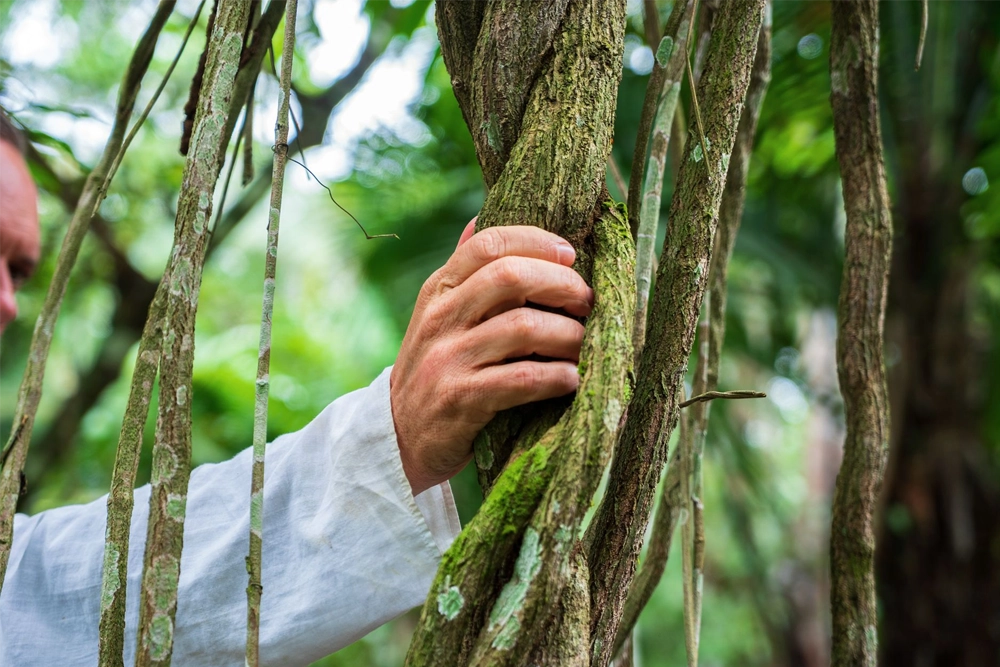
Ayahuasca is a brew traditionally made from the Banisteriopsis caapi vine, usually combined with leaves of plants such as chacruna. Amazonian peoples have used it in healing and spiritual practice for generations. The brew is powerful and physiologically active, which is why the person preparing and guiding it needs deep, tested knowledge of dosage, plant preparation, song, diet and emergency care.
Terminology adds confusion. Travelers meet words like shaman, curandero, healer, maestro and facilitator, and each carries different weight. Among the Machiguenga, an Amazonian people of southeastern Peru, the title Kuraq Hampiq designates a master of higher hierarchy. Understanding local titles helps you ask better questions instead of accepting a generic label.
Historical Background
Ayahuasca traditions developed in the Amazon basin long before tourism existed. Knowledge passed within families and communities, and apprentices followed strict diets and years of service before leading anyone. Authority was earned slowly and could be withdrawn by the community.
Over the past decades, international interest has grown quickly. Think of it like a river that suddenly receives ten times more water: the channel was never built for that volume. Demand outpaced the supply of trained healers, and people with little or no apprenticeship entered the market. Industry observers describe this gap as the main source of safety incidents and cultural harm.
Why It Matters Today
Ayahuasca facilitator experience directly shapes your physical and psychological safety. A trained healer recognizes when a participant needs support, when to adjust the process and when to stop. An untrained one may misread a medical emergency as a spiritual event.
Here is what most travelers miss: lineage and clinical safety are two separate layers. A healer can hold authentic tradition and still operate without medical screening. A fully screened retreat can be led by someone with no real apprenticeship. You need both layers, verified independently.
The Sacred Valley and Cusco Context
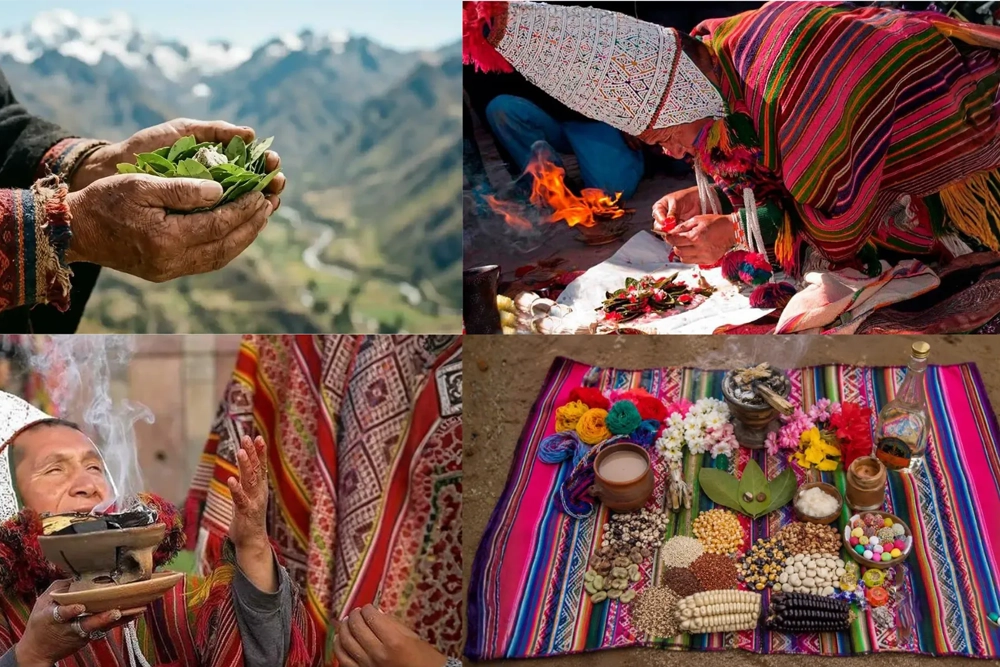
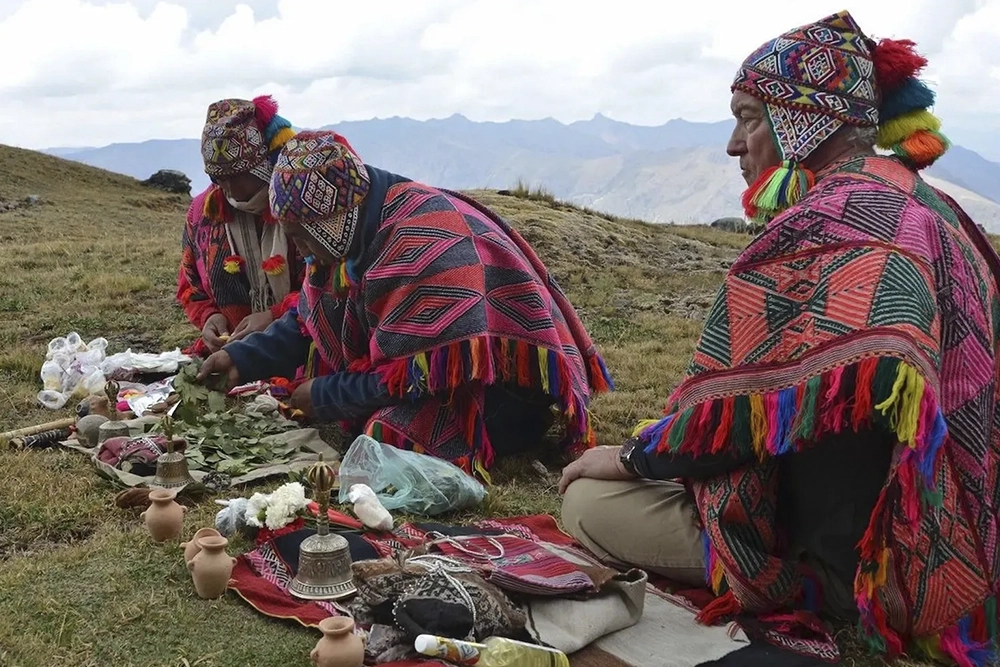
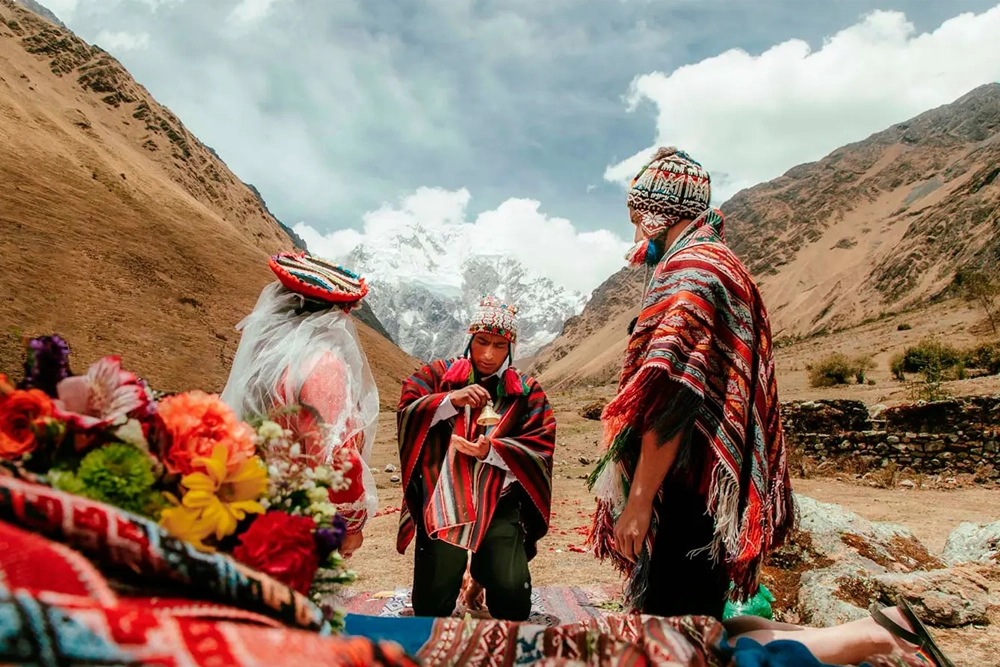
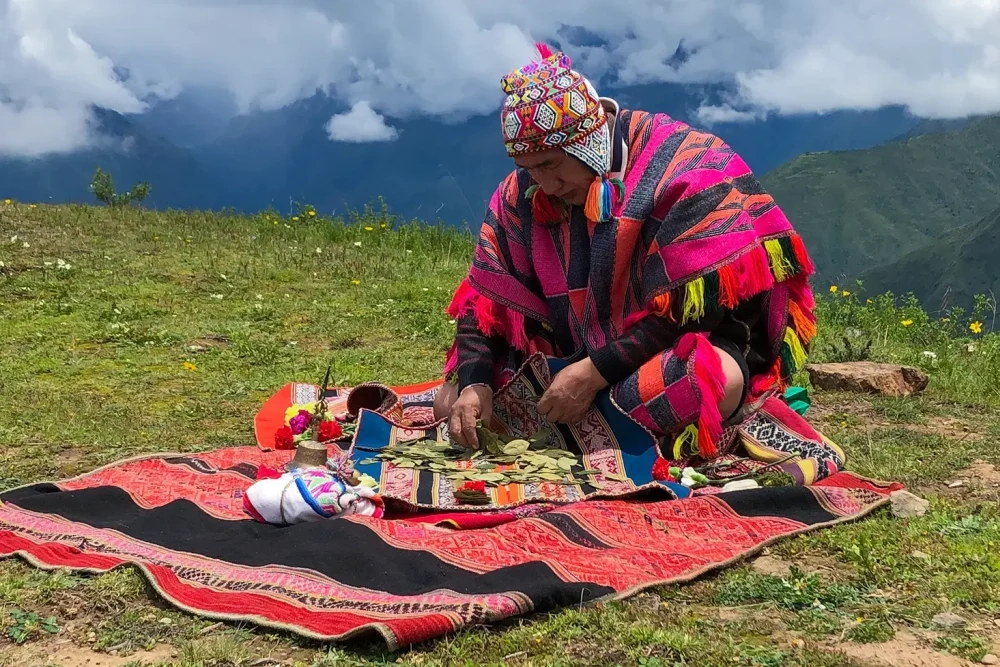
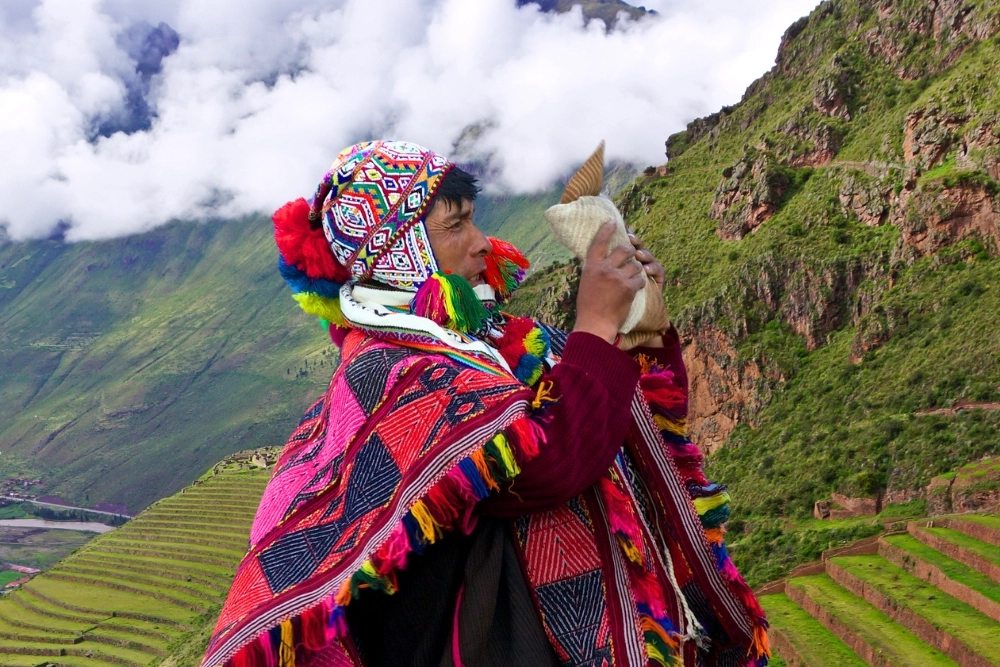
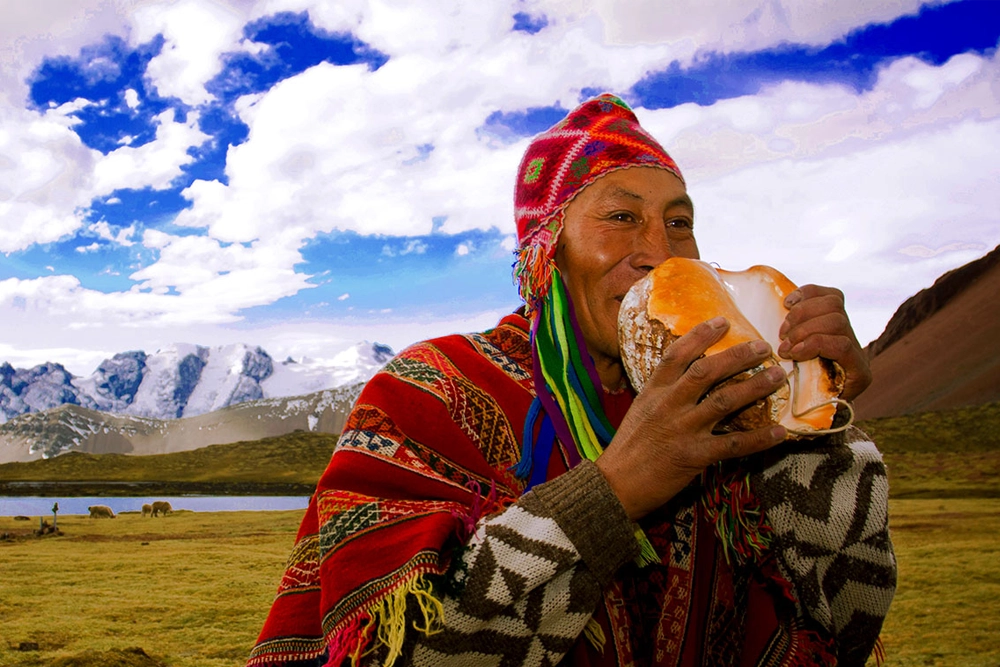
Ayahuasca is an Amazonian tradition, not an Andean one. Many ceremonies offered around Cusco and Urubamba bring Amazonian healers to the Sacred Valley, while Andean ceremonies such as despacho offerings and coca leaf readings come from Quechua and Q’ero traditions. A trustworthy operator explains this difference openly instead of blending everything into one “Peruvian shamanism” label.
At roughly 2,800 meters, Urubamba also adds altitude considerations. Operators registered with DIRCETUR, the regional tourism authority, typically advise a few days of acclimatization before any ceremony. Peru Alive Tours operates from offices in Urubamba and San Blas, Cusco, and structures its programs around this logistic reality.
Key fact: No government registry, university or international body issues a universal license for ayahuasca facilitators, so verification depends on lineage, community recognition and independent references.
Want to explore how this applies to your trip? Check the FAQ section or ask Peru Alive Tours on WhatsApp.
2. Proven Benefits of Verifying an Ayahuasca Lineage
Quick answer: Checking an ayahuasca facilitator’s background improves physical safety, protects psychological wellbeing, respects indigenous culture, reduces financial risk and builds realistic expectations. Travelers who verify before booking report fewer surprises and a clearer understanding of what happens during the ceremony.
1. Higher physical safety
A facilitator trained inside a tradition knows plant preparation, safe handling and warning signs. Standard practice among careful operators includes a health questionnaire and a conversation about medication before the ceremony. Verification filters out providers who skip this step.
2. Better psychological preparation
Experienced healers explain what the experience can involve, including difficult emotional material. They set intentions with you in advance and stay present afterward. In Cusco and the Sacred Valley, travelers often arrive after long flights and altitude changes, so preparation matters even more.
3. Respect for indigenous traditions
Working with a recognized healer supports the community that holds the knowledge. When the leader comes from a native community, such as the Machiguenga, your participation does not extract or misrepresent a sacred practice.
4. Protection from fraud
Impostors rely on vague language and strong marketing. A short list of verifiable questions exposes them quickly, because a real lineage produces names, places and people you can contact.
5. Realistic expectations
Serious facilitators never promise cures. They describe the process, the diet, the songs and the limits of what a ceremony can do. That honesty prevents the disappointment that follows exaggerated claims.
6. Stronger aftercare and integration
Operators with real ayahuasca facilitator experience plan for the days after the ceremony: rest, light food, conversation and time in nature. Peru Alive Tours, for example, serves various herbal teas before ceremonies and a light breakfast at dawn, and does not include lunch or dinner the following day.
7. A clearer view of what you are actually buying
Here is the benefit few people expect: verification teaches you to read the whole operation. The questions you ask about lineage also reveal how a provider handles group size, emergencies and communication. A provider who answers lineage questions calmly usually runs everything else with the same transparency.
Verified data: Safety guidance from experienced Sacred Valley operators consistently lists medical screening, a named lead facilitator and a defined emergency plan as the three minimum requirements before a ceremony.
Want to maximize these benefits on your trip? Let Peru Alive Tours plan your experience.
3. How to Verify an Ayahuasca Shaman: Step-by-Step Guide
Quick answer: The six steps to verify an ayahuasca shaman are: 1. ask for names of teachers, 2. confirm the tradition and community, 3. check years of apprenticeship, 4. contact independent references, 5. review medical screening, 6. evaluate safety and aftercare protocols.
Step 1: Ask for names, not titles
Goal: Replace vague labels with traceable people.
- Ask who taught the facilitator and where
- Request the teacher’s name and community
- Note whether the answer is specific or evasive
Estimated time: 15 minutes. Tools: email or WhatsApp, written notes.
Expert tip: Specific answers include place names, family relationships and years of service. Marketing answers include adjectives only.
Step 2: Confirm tradition and community
Goal: Understand which cultural system the ceremony belongs to.
- Ask which people or tradition the lineage comes from
- Check that the explanation matches Amazonian practice
- Confirm who physically leads the ceremony
Estimated time: 15 minutes. Tools: operator website, direct conversation.
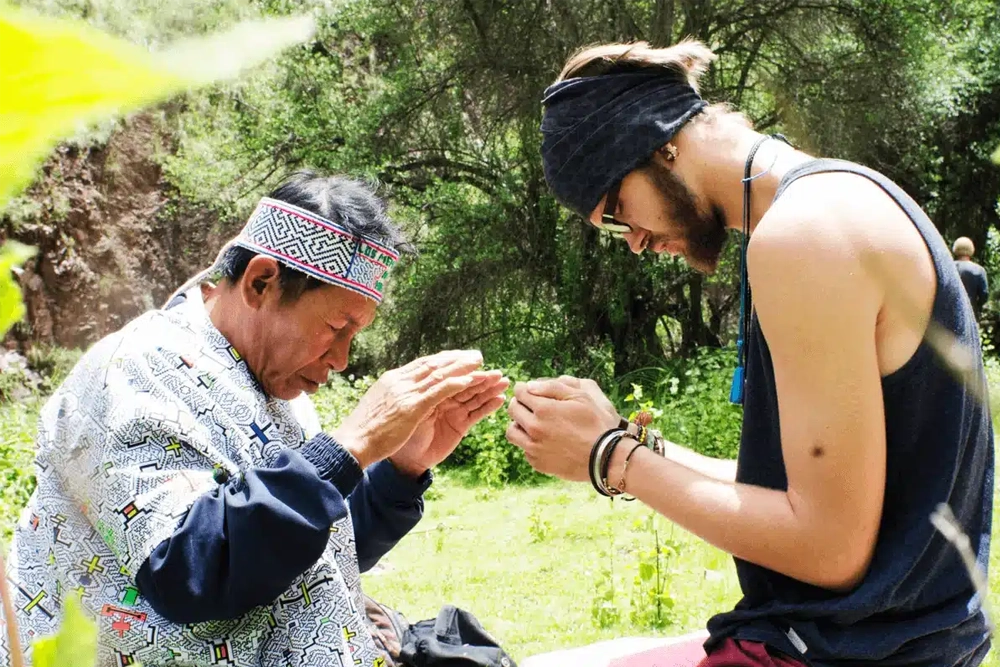
At Peru Alive Tours, the ayahuasca ceremony is led by a Kuraq Hampiq, an Amazonian healer of the Machiguenga tradition from the Machiguenga native community. Other ceremonies are led by a Q’ero master, an Aymara master or a Machiguenga healer, depending on the type of ceremony. Use this level of specificity as your benchmark.
Step 3: Check the length and nature of training
Goal: Separate real apprenticeship from short courses.
- Ask how many years of supervised practice they completed
- Ask about dietas, restricted diets used in training
- Ask who authorized them to lead alone
Estimated time: 20 minutes. Tools: interview, follow-up message.
Common mistake: Accepting “I have been working with plant medicine for years” as proof of training. Solution: ask for the teacher, the tradition and the place where the apprenticeship happened.
Step 4: Contact independent references
Goal: Test claims against outside voices.
- Read reviews on independent platforms, not only the website
- Ask for two past participants willing to talk
- Look for consistent details across accounts
Estimated time: 45 minutes. Tools: review platforms, social channels.
You can also look at an operator’s public footprint. Peru Alive Tours maintains channels on Facebook, Instagram and YouTube, where you can see real activity and visitor comments.
Step 5: Review the medical screening process
Goal: Confirm that safety checks come before payment.
- Expect a written health and medication questionnaire
- Disclose every medication and supplement honestly
- Speak to your own doctor before traveling
Estimated time: 30 minutes plus a doctor visit. Tools: questionnaire, physician appointment.
Expert tip: Certain medications, including some antidepressants, can interact dangerously with the brew. A responsible facilitator asks about them and may decline your participation. That refusal signals competence, not rudeness.
Step 6: Evaluate safety and aftercare protocols
Goal: Learn what happens if something goes wrong.
- Ask how many facilitators attend each participant group
- Ask about the emergency plan and nearest clinic
- Ask what support exists the next day
Estimated time: 20 minutes. Tools: written protocol, direct questions.
Need help choosing the right tour for your trip?
Skip the trial and error. Peru Alive Tours answers every verification question before you decide.
Contact Peru Alive Tours on WhatsApp
We explain everything before you decide · Offices in Urubamba & Cusco
4. Key Factors to Evaluate in Ayahuasca Facilitator Experience
Quick answer: Seven factors define a reliable ayahuasca facilitator: named lineage, tradition and community, length of apprenticeship, independent references, medical screening, group size and emergency planning. Evaluate each one in writing, and treat missing answers as a reason to keep looking.
| Key Factor | Importance | How to Evaluate | Expected Impact |
|---|---|---|---|
| Named lineage | Critical | Ask for teacher names and the place of training, then compare answers across messages | Confirms the person did not invent a background |
| Tradition and community | Critical | Ask which people or community recognizes the facilitator and who leads the ceremony | Ensures cultural accuracy and respect |
| Apprenticeship length | High | Ask for years of supervised practice and who authorized independent work | Separates deep training from short courses |
| Independent references | High | Read third-party reviews and request contact with past participants | Tests marketing claims against real accounts |
| Medical screening | Critical | Check for a written questionnaire and a medication discussion before payment | Reduces the chance of dangerous interactions |
| Group size and staffing | High | Ask how many attendants support the group during the night | Gives each participant access to timely help |
| Emergency and aftercare plan | High | Ask for the written plan, nearest clinic and next-day support | Prepares everyone for the unexpected |
How to Prioritize Based on Your Situation
If you take regular medication, put medical screening first. No lineage compensates for an unsafe interaction, and a doctor’s opinion should come before any payment. If you are traveling for cultural or spiritual reasons, put tradition and community first, because those factors determine whether your participation is respectful.
Peru Alive Tours lists real people you can verify. Wilbert Yucra Choqqucunsa, founder and guide, holds official guide card No. 627 issued by DIRCETUR Cusco. The company also presents Mick Stemborski as a Licensed Clinical Therapist, license BBH-LCPC-LIC-1103, Montana. He is a therapist, not a physician, and his role never replaces your own doctor’s advice. Public, checkable identifiers like these are the standard to demand from any operator.
Need a personalized recommendation for your trip? Request a free consultation from Peru Alive Tours.
5. Real Traveler Scenarios in the Sacred Valley
Quick answer: Three common traveler profiles show how verifying an ayahuasca facilitator lineage changes decisions: a solo traveler comparing retreats, a person taking prescribed medication, and a returning traveler after a poor experience elsewhere. Each scenario below is illustrative, built from situations operators in Urubamba encounter often.
Note: These scenarios are illustrative composites, not individual client testimonials. No names, figures or outcomes are real records.
Scenario 1: The solo traveler comparing five retreats
Context: A first-time visitor finds five providers with similar photos and no clear differences.
Challenge: Every website claims ancestral wisdom, yet none names a teacher or a community.
Solution: The traveler sends the same four questions to each provider: teacher, tradition, training length and medical screening.
Results:
- Two providers answered with names and places
- Three answered with general slogans
- The traveler eliminated providers within two days
Key lesson: Identical questions turn subjective marketing into comparable answers.
Scenario 2: The traveler who takes daily medication
Context: A visitor has a prescription and assumes the ceremony is safe for everyone.
Challenge: One provider never asks about medication, which signals missing screening.
Solution: The traveler books a doctor visit, shares the exact medication list and chooses an operator who requires a written health form.
Results:
- Doctor advice arrived before any payment
- The operator reviewed the form and responded individually
- The traveler decided with full information
Key lesson: A facilitator who sometimes declines participants is protecting you, not rejecting you.
Scenario 3: The returning traveler after a disappointing ceremony
Context: A person attended a ceremony elsewhere and felt unsupported afterward.
Challenge: The earlier provider offered no aftercare and no clear leader.
Solution: The traveler prioritized a named lead healer, a defined next-day plan and a smaller group.
Results:
- Leadership was identified before arrival
- Aftercare steps were explained in writing
- Expectations matched what actually happened
Key lesson: Aftercare quality often predicts ceremony quality better than any photograph.
Common mistakes observed:
- Choosing by price alone; compare staffing and screening too.
- Trusting photos instead of names; request verifiable people.
- Hiding medication; disclose everything to doctor and facilitator.
- Skipping acclimatization; arrive several days before the ceremony.
- Expecting a cure; treat the ceremony as one part of a process.
Want a similar experience? Discover how Peru Alive Tours can help you.
6. Best Practices and Mistakes to Avoid When Checking an Ayahuasca Lineage
Quick answer: Verify in writing, ask the same questions to every provider, involve your doctor and favor operators who name their people and decline unsuitable participants. Avoid guarantees, pressure to pay fast, secrecy about leadership and any provider who dismisses medical concerns.
What You SHOULD Do
- Request answers in writing. Written replies create a record you can compare later.
- Ask about the healer’s own community. Recognition by elders carries more weight than self-description.
- Consult your doctor first. Medical advice should precede any booking decision.
- Disclose your full history. Include medication, supplements and past mental health care.
- Check who leads and who assists. You should know every person in the room.
- Plan acclimatization days. Altitude and travel fatigue affect how you handle the night.
- Ask what the ceremony includes. Confirm meals, teas, space and support in advance.
- Arrange travel insurance. Cover health, evacuation and cancellation before departing.
What You Should NOT Do
- Do not accept guarantees of healing. No one can promise outcomes; ask for honest descriptions instead.
- Do not pay under time pressure. Urgency tactics hide weak answers; take a day to decide.
- Do not hide a condition. Concealment endangers you; tell the facilitator everything.
- Do not rely on one review site. Reviews can be curated; cross-check several sources.
- Do not treat the ceremony as entertainment. It is a sacred practice; prepare with respect.
- Do not ignore discomfort with the facilitator. Trust your reaction before the ceremony starts and walk away if needed.
Advanced strategy: Ask the facilitator how they handle a participant who wants to leave or feels unwell mid-ceremony. The answer reveals more about real experience than any list of years, because only practitioners who have faced difficult nights describe concrete, calm procedures.
Quick Checklist
- Teacher and community named in writing
- Training length explained clearly
- Independent references reviewed
- Doctor consulted before booking
- Emergency and aftercare plan received
One legal and practical note. Peru Alive does not provide legal advice. Rules on traditional plant medicines differ from country to country, so check the regulations of your home country, including what you may carry or bring back, and consult your own doctor and, if needed, a legal adviser before you travel.
Want expert guidance for your Sacred Valley itinerary? Request a free review from Peru Alive Tours.
7. Current Trends in Ayahuasca Facilitator Verification
Quick answer: Current trends in ayahuasca tourism favor transparency: travelers ask for named lineages, written medical screening, community-led ceremonies and structured integration support. Operators who publish their leadership, tradition and safety process increasingly stand apart from those who market only atmosphere.
Innovations in Adventure and Spiritual Tourism
Travelers currently arrive better informed than before. They compare operators on forums, in videos and through community discussions, and they expect specifics. Industry observers note that questions about lineage, once rare, now appear in a large share of first inquiries to Sacred Valley operators.
Medical awareness is also rising. Many travelers consult a doctor before booking and send health information in advance. Operators respond with written questionnaires and clearer contraindication guidance, which makes the whole sector safer and more professional. Peru Alive Tours follows this direction by pairing indigenous ceremony leadership with a Licensed Clinical Therapist on its team of presented credentials.
Market Evolution in Cusco and the Sacred Valley
The Cusco region combines Andean ceremonies, such as despacho and coca leaf offerings, with Amazonian ceremonies led by visiting healers. Local operators increasingly separate these categories in their descriptions so travelers understand which tradition they are joining.
Community participation is gaining attention as well. Discussions in responsible tourism circles, including material published by the World Tourism Organization, emphasize benefit-sharing with host communities. Travelers apply that logic to ceremonies and ask whether the healer’s community benefits from their visit.
Short- and Medium-Term Outlook
- More travelers will request written lineage details before paying.
- Medical screening forms will become a standard booking step.
- Operators will separate Amazonian and Andean ceremonies more clearly.
- Integration support after ceremonies will grow as a selling point.
- Recognition by the healer’s own community will outweigh online reputation, because communities hold the only reliable record of who is authorized to lead.
Strategic advice: Build your verification questions now and send them to every provider; the answers will sort your shortlist within a week.
Expected Impact in Cusco and the Sacred Valley
Greater traveler scrutiny rewards operators with real ties to indigenous communities and punishes those who rely on borrowed imagery. Tourism analyses in the region suggest that transparent operators keep stronger relationships with both visitors and communities, because trust compounds over repeat contact.
Ready to experience the latest in Sacred Valley tourism? Let Peru Alive Tours design your trip.
Frequently Asked Questions About Ayahuasca Facilitator Lineage
Peru Alive Tours compiled the most common questions about ayahuasca facilitator lineage in the Sacred Valley and Cusco:
What is an ayahuasca facilitator?
Short answer: An ayahuasca facilitator is the trained person who prepares the brew and guides participants through the ceremony.
The role combines plant knowledge, songs, diet and care for participants. Terms such as healer, curandero and shaman describe related roles, and local titles differ by people. Ask each provider what title they use and what it means in their tradition.
What is ayahuasca lineage?
Short answer: Ayahuasca lineage is the chain of teachers and community recognition behind a healer’s authority.
It works like a family tree of knowledge: each healer learned from someone, who learned from someone else. A credible lineage can be described by name, place and tradition rather than by slogans.
Is ayahuasca an Andean or an Amazonian tradition?
Short answer: Ayahuasca is an Amazonian tradition, not an Andean one.
Andean ceremonies, such as despacho offerings, belong to Quechua and Q’ero traditions. Operators in Cusco often host Amazonian healers who travel to the Sacred Valley. Reliable providers state this distinction clearly.
What does Kuraq Hampiq mean?
Short answer: Kuraq Hampiq is a local title for masters of higher hierarchy.
At Peru Alive Tours, the ayahuasca ceremony is led by a Kuraq Hampiq, an Amazonian healer of the Machiguenga tradition from the Machiguenga native community. Asking for the title and its meaning is a good test of any operator’s knowledge.
How do I verify an ayahuasca shaman’s training?
Short answer: Ask for teacher names, tradition, years of apprenticeship and independent references, then compare the answers.
Request everything in writing and send identical questions to every provider. Consistent, specific details signal real training, while evasive or generic replies suggest the opposite.
Is there an official license for ayahuasca facilitators?
Short answer: No universal license for ayahuasca facilitators exists, so verification relies on lineage and references.
Tour operators can hold tourism credentials, such as DIRCETUR guide cards, but those cover guiding, not ceremonial authority. Treat tourism registration and healing lineage as two different checks.
How many years should an ayahuasca healer train?
Short answer: Traditional apprenticeship usually spans many years of supervised practice, not weeks or a single course.
No single number applies across all peoples, so ask the provider to describe the stages, the diets and who authorized the healer to lead alone. A clear, detailed story matters more than a round figure.
What red flags should I watch for in an ayahuasca provider?
Short answer: Guarantees of healing, payment pressure, vague leadership and no medical screening are the main red flags.
Also watch for providers who dismiss your questions or discourage you from consulting a doctor. A trustworthy operator welcomes scrutiny and answers calmly.
Why does medical screening matter before an ayahuasca ceremony?
Short answer: Screening identifies medications and conditions that can make the brew unsafe for you.
Some antidepressants and other drugs can interact dangerously with the brew, and certain physical or psychiatric conditions raise risk. Peru Alive Tours does not replace your doctor: consult your own physician before you travel.
What do Peru Alive Tours ayahuasca ceremonies include in terms of food?
Short answer: They include various herbal teas before the ceremony and a light breakfast at dawn.
Lunch and dinner of the following day are not included. Plan simple, light meals for the day after, and ask the team about suitable options near Urubamba.
How much does an ayahuasca ceremony cost in the Sacred Valley?
Short answer: Prices vary by operator, group size and program length, and are quoted in USD per person.
Larger groups lower the per-person price. Ask each provider for a written breakdown of what the price includes, and be cautious with unusually cheap offers that skip screening or staffing. Contact Peru Alive Tours for a current quote.
Where can I find a trusted ayahuasca facilitator in Cusco and the Sacred Valley?
Short answer: Look for operators in Urubamba and Cusco that name their healers, tradition and safety process.
Peru Alive Tours works from offices in Urubamba and San Blas, Cusco. Visit in person if possible, and compare any provider using the six-step method in this guide.
Which is better: a large retreat or a small private ceremony?
Short answer: Smaller groups with a favorable ratio of attendants to participants generally allow closer individual care.
Size alone does not decide quality. Ask how many trained helpers attend the group, how the night is structured and what happens if someone needs extra attention.
Don’t see your question here?
The Peru Alive Tours team is ready to answer your specific questions.
Message Peru Alive Tours on WhatsApp
Response in under 2 hours · Confidential · Offices in Urubamba & Cusco
Common Voice Search Queries
Hey Google, how do I know if an ayahuasca shaman is legitimate?
Quick answer: A legitimate ayahuasca shaman can name their teachers, describe their tradition and community, and provide independent references. They also ask about your health, explain the process openly and never promise a guaranteed cure.
Ask the same questions to every provider and keep their replies in writing. Real practitioners answer calmly and with specifics. If the answers change between messages or lean on slogans, continue your search with another operator.
What is the difference between a shaman and an ayahuasca facilitator?
Quick answer: A shaman usually names a healer trained within a specific indigenous tradition, while facilitator is a broader modern word for anyone who leads a ceremony. The terms overlap, so always ask about training and community rather than relying on the label.
Some communities use their own titles instead, such as Kuraq Hampiq among the Machiguenga. Asking what a provider’s title means in practice quickly shows whether they understand the tradition they claim.
Where can I find a trusted ayahuasca facilitator near me in Cusco?
Quick answer: In Cusco and the Sacred Valley, look for registered tourism operators with offices you can visit, named healers and a written safety process. Peru Alive Tours has offices in Urubamba and San Blas, Cusco, where you can meet the team.
An in-person visit costs little and reveals a lot. Notice whether staff answer detailed questions, show their documentation and explain how ceremonies are organized, including meals, teas and next-day support.
How long does it take to train as an ayahuasca healer?
Quick answer: Training inside an Amazonian tradition typically takes many years of supervised apprenticeship, including restricted diets and service to a teacher. Short courses of days or weeks do not replace that path, and serious providers explain the stages openly.
Because every people structures apprenticeship differently, avoid asking for a single number. Ask who taught the healer, what the stages were and who finally authorized independent work. Those details are harder to invent.
Is it safe to do an ayahuasca ceremony if I take medication?
Quick answer: It depends on the medication, and only your doctor can advise you. Some drugs, including certain antidepressants, can interact dangerously with ayahuasca, so disclose everything to your physician and to the facilitator before any ceremony.
Never stop or change a prescription without medical supervision. A responsible operator reviews your health form and may decline your participation if the risk is too high. That decision is part of professional care.
Conclusion: Your Next Step
A verified lineage turns an uncertain leap into an informed choice. When you know the teacher, the tradition and the community behind an ayahuasca facilitator lineage, you also learn how the operator treats safety, culture and honesty. In the Sacred Valley, where Amazonian and Andean practices sit side by side near Cusco and Urubamba, that clarity protects you and the people who hold the knowledge.
The method is simple and repeatable: ask for names, confirm tradition, check training, contact references, review screening and demand a clear safety plan. Think of it as reading a map before a long trek. The path remains yours to walk, but you no longer walk blind.
Take that method to Peru Alive Tours and test it. Ask who leads the ceremony, which tradition the healer belongs to and how medical screening works. Compare our answers with any other provider and decide with confidence.
Recommended action for today: Send your six verification questions to three providers.
An ayahuasca facilitator lineage that you can verify is the clearest signal of a safe, respectful ceremony: a named healer, a recognized tradition and a transparent process define the operators worth trusting. Peru Alive Tours invites you to check every claim in this guide against what we tell you directly.
Ready to Take the Next Step?
Peru Alive Tours operates from offices in Urubamba and San Blas, Cusco, with a team of local Sacred Valley specialists ready to explain every detail of your experience. Reach out today and receive honest answers before you commit. For broader context on responsible travel and heritage in the region, see the UNESCO World Heritage listing for Machu Picchu and the Peruvian Ministry of Foreign Trade and Tourism. The Smithsonian Institution also publishes research on Andean and Amazonian cultures.
Start Your Sacred Valley Journey with Peru Alive Tours
Our local team will answer your verification questions and help you plan from Cusco or Urubamba.
Chat with Peru Alive Tours on WhatsApp
No commitment · We explain everything before you decide · Confidential
+51 999 878 807 · info@perualive.com · www.perualive.com