Executive Summary
Quick answer: The ayahuasca diet is a preparation period of simple, unprocessed food. Travelers avoid pork, red meat, alcohol, fermented and aged foods, excess salt, sugar, spices and stimulants, and they eat plain rice, vegetables, fruit and grains. Peru Alive Tours confirms the exact protocol before your ceremony.
Key takeaways:
- Start the diet well before your ceremony, as instructed
- Remove pork, red meat, alcohol, and fermented foods
- Build meals around rice, quinoa, vegetables, and fruit
- Disclose every medication to a doctor before you travel
- Eat lightly on ceremony day and hydrate steadily
Article data:
- Read time: 26 minutes
- Level: Beginner to Intermediate
- Verified by Peru Alive Tours, Sacred Valley specialists
- Based on 4 authoritative sources
Most travelers arrive in Cusco unsure whether one wrong meal could ruin their ceremony. That worry is reasonable, and it is also fixable. Strict ayahuasca diet rules circulate online, they contradict each other, and few explain the reason behind them.
This guide explains the Ayahuasca Diet: What to Eat and Avoid Before a Ceremony in practical terms, so you can plan your meals, your medical check, and your arrival in the Sacred Valley with confidence. You will learn what the ayahuasca diet protects, which foods and habits to remove, what to eat instead, and how to prepare for the day itself. Experienced Sacred Valley operators report that travelers who prepare calmly, and who tell the team about their health and medication early, arrive more settled and ask better questions. Keep reading, then message the team with any doubt.
Table of Contents
- What Is the Ayahuasca Diet? Definition and Context
- Proven Benefits of an Ayahuasca Diet Before Ceremony
- Step-by-Step Ayahuasca Diet Preparation Guide
- Key Factors to Evaluate
- Real Traveler Experiences in the Sacred Valley
- Best Practices and Mistakes to Avoid
- Current Trends
- Frequently Asked Questions
- Common Voice Search Queries
- Conclusion and Next Steps
1. What Is the Ayahuasca Diet? Definition and Context
Quick answer: The ayahuasca diet is a period of simple eating and lifestyle restraint that precedes an ayahuasca ceremony. It removes foods and substances that can affect the body, strain digestion, or interact with the brew, and it asks participants to arrive physically light and mentally settled.
A pre ayahuasca diet is a type of ceremonial preparation oriented toward travelers who want to enter a ceremony with a clear body and a quiet mind. It differs from a weight-loss plan or a medical diet because its purpose is preparation and respect, not calorie control. It includes food restrictions, abstaining from alcohol and recreational substances, and a calmer daily rhythm.
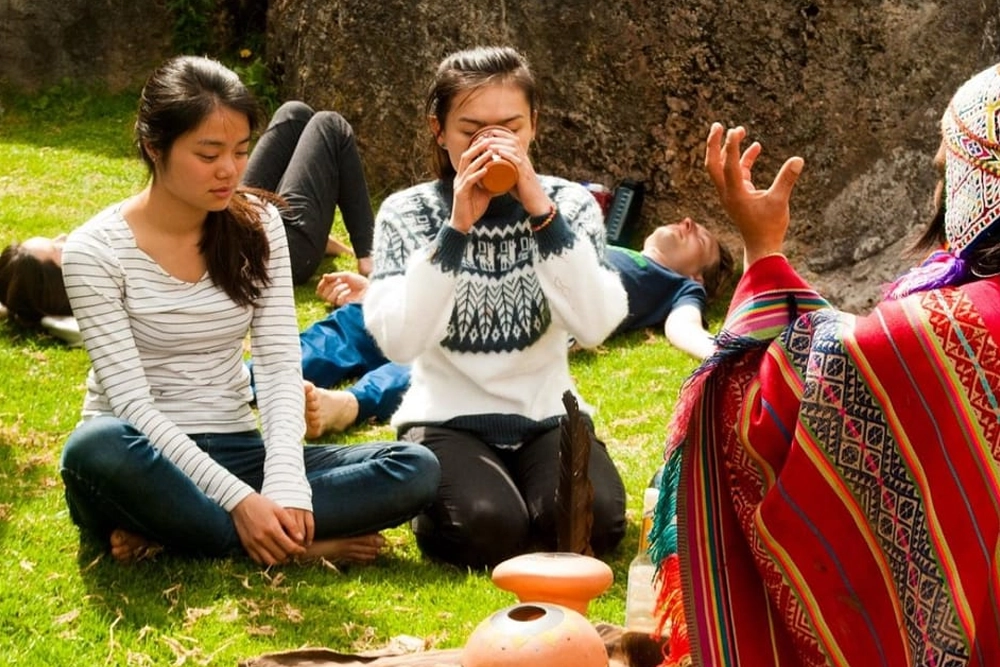
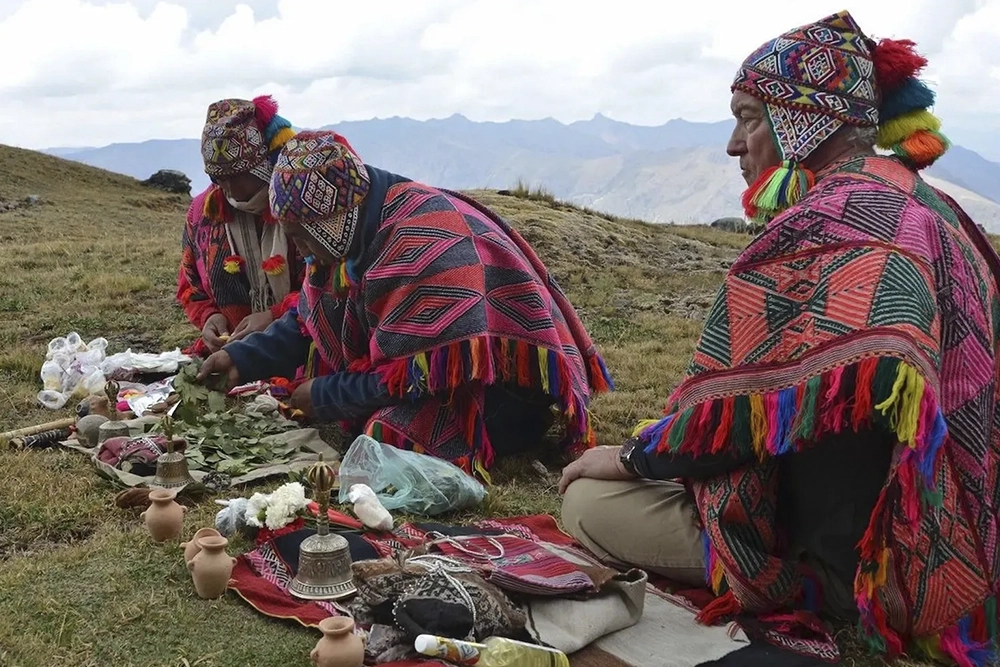
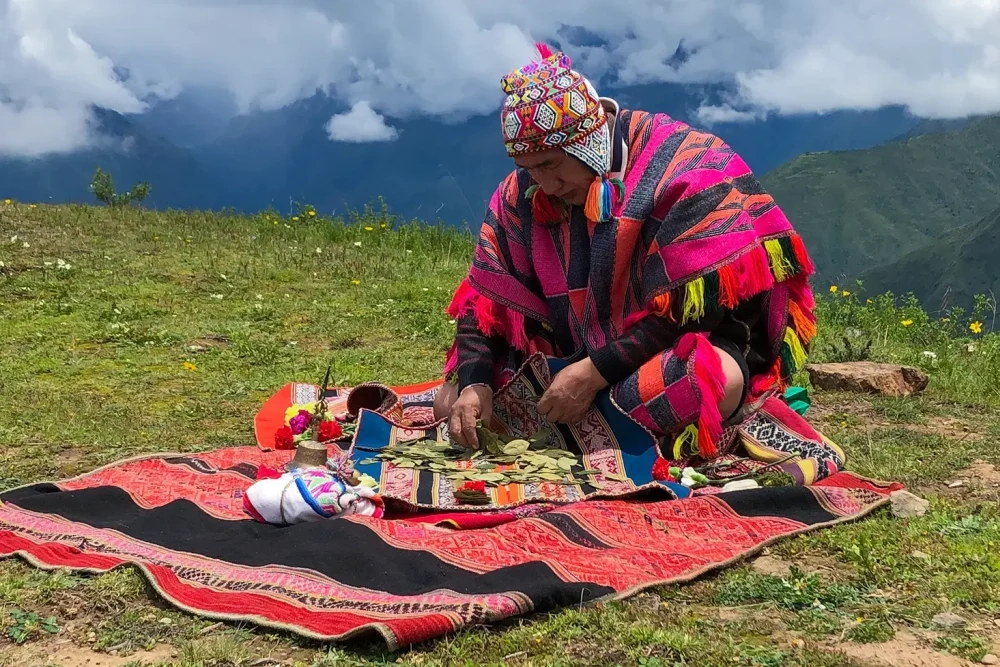
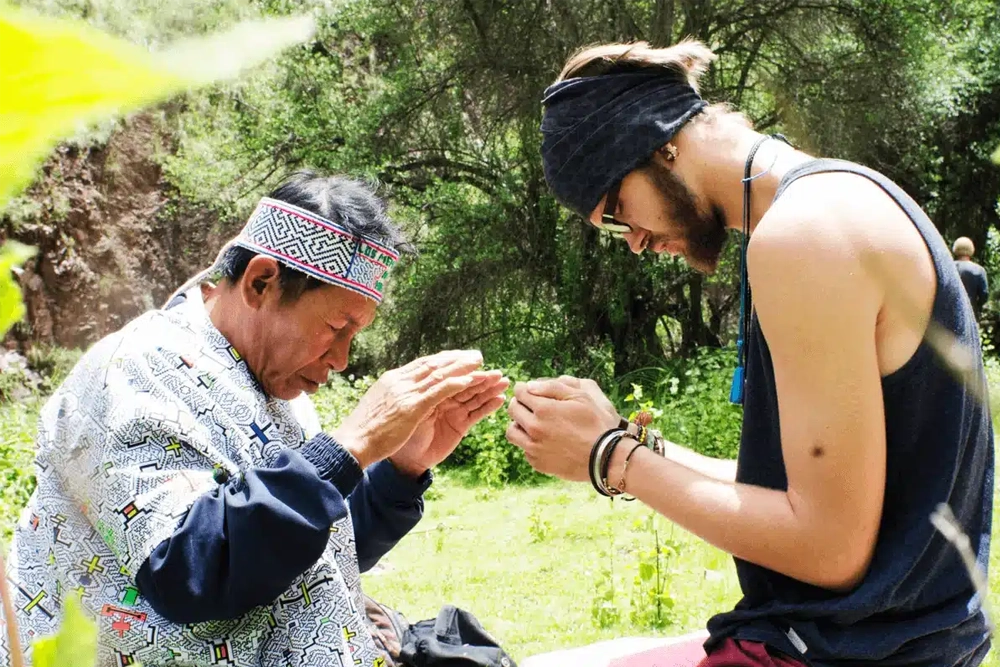
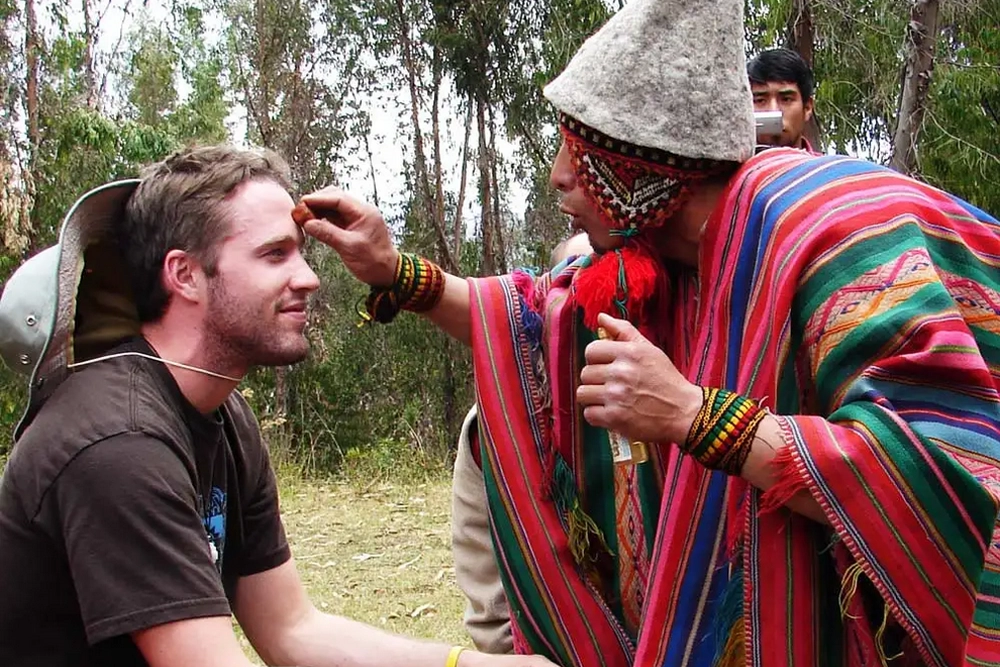
Ayahuasca is an Amazonian tradition, not an Andean one. At Peru Alive Tours, the ayahuasca ceremony is led by a Kuraq Hampiq, an Amazonian healer of the Machiguenga tradition from the Machiguenga native community. “Kuraq Hampiq” is a local title for masters of higher hierarchy. That context matters, because the ayahuasca diet you follow belongs to that living tradition and deserves the same respect as the ceremony itself.
Historical Background
Amazonian communities have prepared for plant ceremonies through restraint for many generations. Their preparation often includes eating plain food, avoiding strong flavors, and stepping back from daily distractions. The practice was passed from teacher to student long before anyone wrote it down.
Think of the ayahuasca diet as tuning an instrument before a concert. You do not tune because a rule says so; you tune because the sound depends on it. In recent years, as more international travelers have joined ceremonies, healers and operators have translated that oral tradition into written preparation guides, and the guides now vary from one center to another.
Why It Matters Today
Today the ayahuasca diet carries a safety function that earlier generations managed through close personal knowledge of each participant. A healer in a small community knew the participants’ habits and health. A traveler from another continent arrives with unknown medications, supplements and dietary habits, so a written protocol and an honest health conversation replace that familiarity.
Many travelers also assume the ayahuasca diet is only about foods. In practice, the substances you take matter just as much: antidepressants, certain pain relievers, stimulants and some supplements raise real concerns. What most people miss is that the medication conversation should happen weeks before you fly, not on arrival, because some adjustments take time and must be supervised by your own doctor.
The Sacred Valley and Cusco Context
The Sacred Valley sits at a significant altitude: Urubamba lies at roughly 2,800 meters above sea level, and Cusco is higher, at around 3,400 meters. Altitude changes how you digest, sleep and hydrate, which is why arriving a few days early and eating lightly pays off. DIRCETUR-registered operators like Peru Alive Tours, with offices in Urubamba and San Blas in Cusco, routinely advise travelers to acclimatize before any ceremony.
Local food also supports the diet. Quinoa, potatoes, corn, squash and fresh fruit are everyday staples in the region, so simple, unprocessed meals are easy to find. Avoid street snacks, fried foods and heavy sauces in the days before your ceremony, and ask your accommodation to prepare plain versions of regional dishes.
Key fact: Ayahuasca contains MAO-inhibiting compounds, so certain medications, especially some antidepressants, can interact dangerously with it. Only your own doctor can advise you on this before you travel.
Want to explore how the ayahuasca diet applies to your trip? Check the FAQ section or ask Peru Alive Tours on WhatsApp.
2. Proven Benefits of an Ayahuasca Diet Before Ceremony
Quick answer: An ayahuasca diet before ceremony supports safety, digestive comfort, mental clarity and respect for the tradition. It also helps travelers notice their own habits and arrive at the Sacred Valley prepared, which makes the ceremony easier to navigate physically and emotionally.
The benefits below reflect what operators and facilitators commonly observe, not clinical outcomes. No one can promise a particular experience, and Peru Alive Tours does not do so. What the ayahuasca diet offers is better preparation, and preparation changes how comfortable and informed you feel.
Benefit 1: A Calmer Digestive System
Ayahuasca frequently triggers nausea and purging. Simple, light meals in the days before the ceremony reduce the load on your stomach, so there is less heavy digestion to compete with the brew. Travelers who eat fried or very rich food the night before often report feeling worse during the evening.
In practice, a plate of steamed vegetables and rice takes far less effort to digest than a pork dish with sauce. Choose the first.
Benefit 2: Lower Risk of Dietary Interactions
Foods rich in tyramine, such as aged cheese, cured meats and fermented products, can cause problems when combined with MAO inhibitors. Avoiding them removes one known risk. This is the most concrete safety reason behind the restrictions, and it explains why the ayahuasca diet rules on fermented foods are not negotiable.
Benefit 3: Mental Clarity and Intention
Eating simply and cutting alcohol and stimulants quiets the background noise of daily life. Many travelers find that this restraint gives them time to think about why they are attending. Writing down an intention during these days is a common companion practice.
Benefit 4: Respect for the Tradition
Following the ayahuasca diet shows respect for the Machiguenga tradition and for the Kuraq Hampiq who leads the ceremony. That respect shapes the relationship between participant and facilitator. Treating the preparation as part of the ceremony, not as paperwork, is what separates a pilgrim from a spectator.
Benefit 5: Better Sleep and Energy at Altitude
Alcohol and caffeine disturb sleep, and altitude already makes sleeping harder for many visitors. Cutting both helps your body adapt to Urubamba or Cusco, so you arrive at the ceremony rested rather than depleted.
Benefit 6: Honest Self-Observation
The ayahuasca diet makes habits visible. Reaching for coffee, sugar or a drink at certain times of day shows you patterns you may not have noticed. That awareness, gained before the ceremony, gives you something concrete to reflect on afterward.
Benefit 7: An Earlier, Safer Medical Conversation
The least obvious benefit is the one that matters most. Preparing for the ayahuasca diet forces you to list your medications and supplements, and that list, shared with your doctor and with Peru Alive Tours, can reveal a conflict while there is still time to act. Many travelers discover an interaction concern only because they started their ayahuasca diet early.
Verified data: Standard practice among responsible ayahuasca centers includes a written health screening before any participant drinks the brew.
Want to maximize these benefits on your trip? Let Peru Alive Tours plan your experience.
3. Step-by-Step Ayahuasca Diet Preparation Guide
Quick answer: The six steps of an ayahuasca diet are: 1. consult your doctor, 2. confirm the protocol with Peru Alive Tours, 3. remove restricted foods and substances, 4. build simple meals, 5. acclimatize in the Sacred Valley, 6. eat lightly on ceremony day.
Step 1: Consult Your Doctor and Disclose Everything
Goal: Confirm that you can take part safely. Your doctor knows your history; we do not.
- List every medication and supplement you take
- Book an appointment weeks before you travel
- Share your concerns about ayahuasca openly
Estimated time: One appointment, plus follow-up if needed. Tools: A written medication list and your doctor’s notes.
Common mistake: Stopping a prescribed medication on your own to “be clean” for the ceremony. Abrupt changes can be dangerous. Solution: change nothing without your prescribing doctor’s supervision.
Step 2: Confirm the Protocol with Peru Alive Tours
Goal: Learn exactly which rules and which timeline apply to your ceremony.
- Message the team on WhatsApp with your dates
- Ask for the written preparation guidance
- Share your health and medication details
Estimated time: One conversation. Tools: WhatsApp or email. The exact number of days the diet should last at Peru Alive Tours is [TO BE CONFIRMED BY CLIENT].
Expert tip: Ask what the team needs to know about your medical history before you pay or book flights, not after.
Step 3: Remove Restricted Foods and Substances
Goal: Clear your routine of what the protocol restricts.
- Stop alcohol and recreational substances
- Cut pork, red meat, and fermented products
- Reduce salt, sugar, spice, and caffeine
Estimated time: Begin as instructed, then continue until after the ceremony. Tools: A kitchen cleanout and a shopping list. Tapering caffeine gradually prevents withdrawal headaches, which are unpleasant at altitude.
Step 4: Build Simple Meals
Goal: Eat enough without eating anything restricted.
- Base meals on rice, quinoa, oats, and potatoes
- Add steamed or boiled vegetables
- Finish with fresh, ripe fruit
Estimated time: Daily. Tools: A basic recipe list. Cook with minimal oil and little salt, and keep portions moderate so you feel comfortable and not hungry.
Expert tip: Batch-cook plain grains and vegetables so the ayahuasca diet never depends on willpower at dinnertime.
Step 5: Acclimatize in the Sacred Valley
Goal: Let your body adjust to altitude before the ceremony.
- Arrive in Cusco or Urubamba a few days early
- Drink water steadily and rest
- Skip heavy local meals and alcohol
Estimated time: Several days. Tools: Water, rest, and guidance from the Peru Alive Tours team. Altitude sickness (soroche) is a separate issue from the ayahuasca diet, but poor acclimatization makes both harder.
Step 6: Eat Lightly on Ceremony Day
Goal: Arrive with a light stomach and steady energy.
- Eat a small, simple meal early in the day
- Avoid a heavy meal before the ceremony
- Follow the facilitator’s instructions on timing
Estimated time: The day of the ceremony. Tools: Herbal teas. Ayahuasca ceremonies with Peru Alive Tours include various herbal teas before the ceremony and a light breakfast at dawn. They do not include lunch or dinner the following day, so plan your own simple meals for that day.
Need help preparing for your ceremony?
Don’t guess about food, medication, or timing. Peru Alive Tours explains the preparation before you decide.
Contact Peru Alive Tours on WhatsApp
We explain everything before you decide · Offices in Urubamba & Cusco
4. Key Factors to Evaluate
Quick answer: Seven factors shape your ayahuasca diet: medication, medical history, food restrictions, timing, altitude, the facilitator’s protocol and your own intention. Evaluate medication and medical history first, because they decide whether you can participate at all.
Not every factor weighs the same. The table below ranks them by importance and tells you how to check each one. Use it as a checklist before you book.
| Key Factor | Importance | How to Evaluate | Expected Impact |
|---|---|---|---|
| Current medication | Critical | Show your full list to your doctor and to Peru Alive Tours | Prevents dangerous interactions |
| Medical history | Critical | Ask your doctor whether ayahuasca is appropriate for you | Confirms you can participate safely |
| Food restrictions | High | Compare your usual meals with the restricted list | Reduces digestive discomfort and interaction risk |
| Timing of the diet | High | Confirm the start date with the facilitator | Gives your body time to adjust |
| Altitude adaptation | Medium | Plan arrival days and note any past altitude trouble | Improves sleep, appetite and energy |
| Facilitator and tradition | High | Ask who leads the ceremony and from which tradition | Aligns your expectations with the real practice |
| Personal intention | Medium | Write one clear sentence about why you are attending | Focuses your preparation and integration |
How to Prioritize Based on Your Situation
If you take any prescription medication, start with the first two rows and ignore everything else until you have a clear medical answer. If you are healthy and take nothing, food restrictions and timing become the core of your ayahuasca diet. Altitude then decides how many days you should spend in the Sacred Valley before the ceremony.
Responsible operators in the Sacred Valley treat medical screening as a gate, not a formality. A center that never asks about your health is a warning sign. Peru Alive Tours works with the Kuraq Hampiq and a documented preparation process, and the team asks about your health because the answer changes what they can safely offer you.
Need a personalized recommendation for your trip? Request a free consultation from Peru Alive Tours.
5. Real Traveler Experiences in the Sacred Valley
Quick answer: Travelers who prepare for an ayahuasca diet in the Sacred Valley typically face three kinds of challenge: medication questions, habit changes and altitude. The scenarios below describe common situations and the preparation choices that helped, without promising any particular result.
The following three profiles are composite scenarios that reflect situations the Sacred Valley travel community regularly describes. They are not individual testimonials, and they contain no invented statistics. For verified traveler reviews, visit Peru Alive Tours on Facebook and Instagram.
Scenario 1: The Traveler Who Takes a Daily Medication
Context: A traveler planning a trip discovers they take a daily prescription for a long-term condition.
Challenge: Many prescriptions, especially antidepressants, can interact with MAO-inhibiting compounds. The traveler did not know this until reading the preparation guidance.
Solution: They shared the full medication list with their doctor and with the Peru Alive Tours team before booking, and followed the doctor’s advice.
- Medication reviewed before any flight booking
- Decision based on medical advice, not enthusiasm
- Honest conversation with the team
Key lesson: The right outcome is sometimes not to participate. Declining for safety is a legitimate result of good preparation.
Scenario 2: The Coffee-and-Wine Traveler
Context: A traveler drinks several coffees and a glass of wine most days.
Challenge: Cutting both at once caused headaches and poor sleep right when altitude was already affecting rest.
Solution: The traveler tapered caffeine before departure, replaced evening wine with herbal tea and rested during the first days in Urubamba.
- Caffeine reduced gradually before travel
- Herbal tea replaced evening alcohol
- Rest days built into the itinerary
Key lesson: Start the habit changes at home, not on the plane. Withdrawal at altitude is avoidable.
Scenario 3: The Last-Minute Traveler
Context: A traveler booked a ceremony shortly before arriving in Cusco and ate heavy meals during the first days of the trip.
Challenge: Rich restaurant food, a late dinner and little acclimatization left them uncomfortable and anxious.
Solution: They moved to plain meals, drank water steadily and asked the team whether to adjust the ceremony date.
- Plain meals replaced restaurant dining
- Water intake increased at altitude
- Date reconsidered with the team
Key lesson: A flexible schedule is a safety tool. Moving the date costs less than forcing a poorly prepared ceremony.
Common mistakes observed:
- Hiding medication from the team. Solution: disclose everything early.
- Stopping prescriptions alone. Solution: follow your doctor.
- Dining out heavily before the ceremony. Solution: eat plain meals.
- Skipping altitude acclimatization. Solution: arrive a few days early.
- Treating the ayahuasca diet as optional. Solution: follow it as part of the ceremony.
Want a similar level of preparation for your own trip? Discover how Peru Alive Tours can help you.
6. Best Practices and Mistakes to Avoid
Quick answer: The best ayahuasca diet practices are medical disclosure, simple unprocessed meals, no alcohol or stimulants, steady hydration, early arrival and honest communication. The worst mistakes are hiding medication, eating restricted foods casually and treating the ceremony like a tourist activity.
What You SHOULD Do
- Disclose your medical history. The team and the healer can only protect you from what they know.
- Cook your own meals when possible. You control salt, oil and ingredients, which removes guesswork.
- Eat whole, plain foods. Rice, quinoa, boiled potatoes, squash and ripe fruit suit the diet.
- Hydrate steadily. Small sips throughout the day work better than large amounts at once.
- Arrive early. Acclimatizing gives your digestion and sleep time to settle.
- Reduce screens and noise. Quiet evenings help you think about your intention.
- Read labels. Sauces, broths and packaged foods hide salt, sugar and fermented ingredients.
- Ask about anything unclear. No question about food or safety is too small before a ceremony.
What You Should NOT Do
- Do not drink alcohol. It interferes with preparation and with clear decision making.
- Do not eat pork or heavy red meat. Traditional protocols restrict both, and both digest slowly.
- Do not eat fermented or aged foods. Aged cheese, cured meats, soy sauce and similar products are the main tyramine concern.
- Do not combine ayahuasca with other substances. Recreational drugs and unreviewed supplements raise the risk.
- Do not self-adjust medication. Only the doctor who prescribed it should change it.
- Do not compare your ceremony with others. Each experience differs, and comparison creates pressure.
Advanced strategy (Level 3): Keep a simple food and sleep note during the diet. Reviewing it with the team can reveal patterns, such as a poor night after certain foods, that help the facilitators prepare you for your session in the Sacred Valley.
Quick Checklist
- Doctor consulted and medication disclosed
- Protocol confirmed with Peru Alive Tours
- Restricted foods removed from your routine
- Arrival date allows altitude adjustment
- Light-meal plan ready for ceremony day
Want expert guidance for your Sacred Valley itinerary? Request a free review from Peru Alive Tours.
7. Current Trends
Quick answer: Current trends in ayahuasca preparation emphasize medical screening, written preparation guides, smaller groups and respect for indigenous leadership. Travelers increasingly ask who leads the ceremony and which tradition it belongs to, and responsible Sacred Valley operators now answer those questions openly.
Innovations in Adventure and Spiritual Tourism
Spiritual tourism in the Sacred Valley has moved from word-of-mouth recommendations toward documented preparation. Operators now send written guides before arrival, ask for health forms and explain the tradition behind the ceremony. The World Tourism Organization encourages responsible practices in cultural tourism, and that principle increasingly shapes how travelers choose operators.
Travelers also research more. They compare protocols, read about the Amazonian roots of ayahuasca and question operators who blend traditions loosely. That scrutiny rewards operators who state clearly which tradition leads the ceremony, as Peru Alive Tours does with its Machiguenga Kuraq Hampiq.
Market Evolution in Cusco and the Sacred Valley
Cusco and Urubamba host a growing number of centers that offer plant ceremonies, and quality varies widely. Local tourism analyses indicate that travelers now weigh safety, transparency and cultural respect above price alone. Registered operators with visible offices and verifiable guides stand out, which is why Peru Alive Tours lists its offices in Urubamba and San Blas openly.
Founder and guide Wilbert Yucra Choqqucunsa holds official guide card No. 627, issued by DIRCETUR Cusco, and Mick Stemborski holds license BBH-LCPC-LIC-1103 in Montana and is presented by the client as a Licensed Clinical Therapist. Credentials like these let travelers verify who stands behind the experience.
Short- and Medium-Term Outlook
- Written medical screening becomes a standard expectation among serious operators.
- Travelers request preparation guides before they book flights.
- Questions about the leading tradition and healer become routine.
- Integration support after ceremonies grows as a visible part of the offer.
- Regulation and cultural protection debates reach more travelers, so staying informed about your own country’s rules becomes part of responsible preparation.
Strategic advice: Choose an operator that answers your health and tradition questions in writing, before you pay.
Expected Impact in Cusco and the Sacred Valley
Greater transparency benefits both travelers and local communities. When operators credit the Machiguenga tradition accurately and work with authorized healers, the practice stays rooted in the people who carry it. For you, that means a clearer picture of what you are joining and a stronger reason to follow the diet with care.
For further background on responsible cultural travel, see the World Tourism Organization and the UNESCO World Heritage Centre, which documents the cultural landscapes around Cusco and the Sacred Valley. Peru’s official tourism information is available through the Ministry of Foreign Trade and Tourism.
Ready to prepare for a ceremony with a transparent team? Let Peru Alive Tours design your trip.
Frequently Asked Questions
Peru Alive Tours compiled the most common questions about the ayahuasca diet in the Sacred Valley and Cusco:
What is the ayahuasca diet?
Short answer: It is a preparation period of simple eating and restraint before an ayahuasca ceremony.
It removes foods and substances that can burden digestion or interact with the brew, and it asks you to arrive calm and honest about your health. The Amazonian tradition behind it treats the preparation as part of the ceremony, not as an extra.
What foods should I avoid before ayahuasca?
Short answer: Avoid pork, red meat, alcohol, fermented and aged foods, excess salt, sugar, spice and caffeine.
Aged cheese, cured meats, soy sauce and similar products raise the main safety concern because of their tyramine content. Fried and greasy foods are restricted for comfort. Ask the team for the full list that applies to your ceremony.
What should I eat before an ayahuasca ceremony?
Short answer: Eat plain rice, quinoa, oats, boiled potatoes, steamed vegetables and fresh fruit.
Keep oil and salt low and portions moderate. Many protocols also accept small amounts of lean poultry or white fish, while stricter ones stay fully plant-based. Confirm which applies to you with Peru Alive Tours.
How long before the ceremony should I start the diet?
Short answer: Start as the facilitator instructs; the exact timeline for Peru Alive Tours is [TO BE CONFIRMED BY CLIENT].
Protocols across the region vary, with many starting several days to a couple of weeks ahead. Ask the team for your specific start date, and begin tapering caffeine and alcohol earlier than that if you use them heavily.
Why is the ayahuasca diet necessary?
Short answer: It protects your safety, supports digestion and honors the tradition.
The brew contains compounds that inhibit an enzyme involved in processing certain foods and drugs, so some combinations are risky. The ayahuasca diet also settles your stomach and quiets your routine, which many travelers find helps them focus.
Can I take my medication and still drink ayahuasca?
Short answer: Only your own doctor can answer that, and some medications are not compatible.
Antidepressants and several other drug types raise concern. Never stop a prescription alone. Share your full list with your doctor and with Peru Alive Tours well before you travel, and accept the answer even if it means skipping the ceremony.
Is it worth following a strict ayahuasca diet?
Short answer: Yes, because it reduces risk and shows respect for the ceremony.
The cost is a few days of plain meals. The benefit is a body that is easier to care for and a mind that is better prepared. Travelers who treat it seriously usually describe feeling more settled on the evening itself.
Does the ceremony include meals?
Short answer: It includes herbal teas before the ceremony and a light breakfast at dawn.
Lunch and dinner the following day are not included, so plan simple meals for that day. Choose light, plain food and keep drinking water as you recover.
Can I drink coffee or tea during the ayahuasca diet?
Short answer: Reduce caffeine and switch to herbal teas.
Caffeine disturbs sleep and adds nervous energy, and altitude already affects both. Taper gradually before you travel to avoid headaches. Herbal teas are a gentle substitute and fit the tone of the preparation.
How much does an ayahuasca ceremony cost in Cusco?
Short answer: Prices depend on the program and group size, and are quoted in US dollars per person.
Each service requires a minimum number of participants, and the per-person price falls as the group grows. Ask Peru Alive Tours for the current price that matches your dates and group size. [TO BE CONFIRMED BY CLIENT: ceremony price]
Who leads the ayahuasca ceremony at Peru Alive Tours?
Short answer: A Kuraq Hampiq, an Amazonian healer of the Machiguenga tradition, leads it.
The healer comes from the Machiguenga native community. “Kuraq Hampiq” is a local title for masters of higher hierarchy. Ayahuasca is an Amazonian tradition, and Peru Alive Tours describes it that way.
Is ayahuasca legal, and can I bring it home from Peru?
Short answer: Peru Alive does not provide legal advice, so check your own country’s rules.
Rules on traditional plant medicines differ from country to country, including what you may carry or bring back. Consult your own doctor and, if needed, a legal adviser before you travel.
Which is better: ayahuasca or San Pedro for a first ceremony?
Short answer: Neither is better; they are different traditions with different preparation.
Ayahuasca is Amazonian, while San Pedro (Wachuma) is associated with the Andes. Their rhythms, settings and preparation differ. Peru Alive Tours can explain both so you can choose with your health, your experience and your intention in mind.
Who should not take part in an ayahuasca ceremony?
Short answer: Anyone whose doctor advises against it, including people on incompatible medication.
Heart conditions, certain mental health conditions, pregnancy and several medications raise concern. Peru Alive Tours does not diagnose or prescribe. Your own doctor decides whether participation is appropriate for you.
Don’t see your question here?
The Peru Alive Tours team is ready to answer your specific questions.
Message Peru Alive Tours on WhatsApp
No commitment · Offices in Urubamba & Cusco
Common Voice Search Queries
Hey Google, what can I eat the day before ayahuasca?
Quick answer: The day before ayahuasca, eat light, plain meals such as rice, steamed vegetables, quinoa and fruit. Avoid pork, red meat, alcohol, fermented foods, spicy dishes and heavy sauces, and drink water steadily throughout the day.
A good rhythm is a modest breakfast, a simple lunch and a small, early dinner. If you are in Urubamba or Cusco, ask your accommodation for boiled potatoes or vegetable soup without strong seasoning. Rest as much as you can, because altitude and ceremony preparation both reward a calm day.
Can I drink alcohol before an ayahuasca ceremony?
Quick answer: No. Responsible ayahuasca preparation excludes alcohol, because it interferes with the diet, disturbs sleep and clouds judgment. Stop well before the ceremony and confirm your exact start date with the facilitator or tour operator.
If alcohol is a regular part of your routine, begin reducing it before you travel. Social settings in Cusco make it easy to slip, so plan alternatives such as herbal tea or fresh juice. Let the team know if stopping feels difficult, because that information also matters for your safety.
Where can I prepare for an ayahuasca ceremony near me in the Sacred Valley?
Quick answer: Urubamba and Cusco are practical bases for preparation. Peru Alive Tours operates from offices in Urubamba and San Blas, and the team can guide your meals, rest and arrival timing before an ayahuasca ceremony.
The offices are at Av. Vilcanota N°154 in Urubamba and Calle Carmen Alto N°197 in San Blas, Cusco. Visiting in person lets you ask questions face to face. You can also message the team on WhatsApp before you travel to begin the conversation.
Hey Siri, is coffee allowed on the ayahuasca diet?
Quick answer: Most ayahuasca preparation guides discourage coffee because caffeine is a stimulant. Taper gradually before the ceremony, switch to herbal teas and ask your facilitator about the rule that applies to your session.
Quitting abruptly at altitude can cause headaches that feel like soroche, which confuses things. Reduce a cup at a time over several days. Herbal teas, including the ones served before the ceremony, give you something warm to hold without the stimulant.
What should I eat after an ayahuasca ceremony?
Quick answer: After an ayahuasca ceremony, eat light foods such as broth, fruit, rice and plain vegetables, and drink water slowly. A light breakfast at dawn is part of the Peru Alive Tours ceremony; plan your own simple meals afterward.
Your appetite may be low, and that is common. Eat small portions and avoid heavy, greasy or sweet foods in the first hours. Lunch and dinner the following day are not included, so decide ahead where you will eat and keep the choices gentle.
Conclusion: Your Next Step
A well-prepared ayahuasca diet is less about what you give up and more about how you arrive. Plain meals, honest medical disclosure and a calm schedule in Urubamba or Cusco put you in a better position, physically and mentally, to respect the Machiguenga tradition and the healer who leads it.
Think of the preparation as the first night of the ceremony itself. Each quiet meal and each honest answer to the team becomes part of the work. Start your ayahuasca diet with the doctor’s conversation, then confirm your protocol with Peru Alive Tours, and keep the rest simple.
Message Peru Alive Tours today with your dates, your medication list and your questions, and the team will explain the next steps before you commit to anything.
Recommended action for today: Write down your medications and book your doctor’s appointment.
The ayahuasca diet before ceremony works best when you treat it as preparation for a serious tradition, and Peru Alive Tours confirms the protocol, the leading healer and the meals included so that you know exactly what to expect.
Ready to Take the Next Step?
Peru Alive Tours operates from offices in Urubamba and San Blas (Cusco), with a team of local Sacred Valley specialists ready to guide your preparation. Reach out today and ask about the ceremony, the ayahuasca diet and the timeline that fit your trip.
Start Your Sacred Valley Preparation with Peru Alive Tours
Our local team will help you plan the right preparation from Cusco or Urubamba.
Chat with Peru Alive Tours on WhatsApp
No commitment · We explain everything before you decide
+51 999 878 807 · info@perualive.com · www.perualive.com