What Is the Difference Between an Ayahuasca Ceremony and a Retreat?
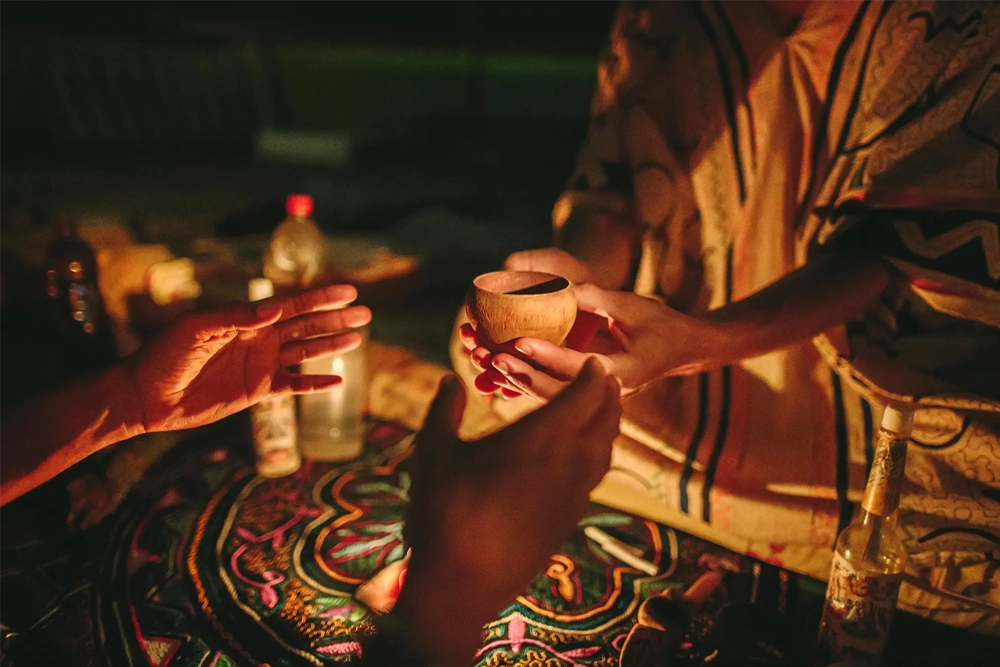
Quick answer: An ayahuasca ceremony is a single facilitated overnight session in which participants drink ayahuasca, an Amazonian plant brew, under the guidance of a trained healer. An ayahuasca retreat is a multi-day program that combines several sessions with preparation, rest, meals and integration. The ayahuasca ceremony vs retreat difference is mainly duration, depth and level of support.
Ayahuasca ceremony versus retreat is a comparison between two formats of the same tradition. A ceremony is a type of ritual session centered on one night. A retreat is a type of structured program that contains ceremonies as one component. The ceremony differs from the retreat by scale: a retreat adds days of preparation, rest and reflection around the session itself, while a ceremony concentrates the experience into one evening and dawn.
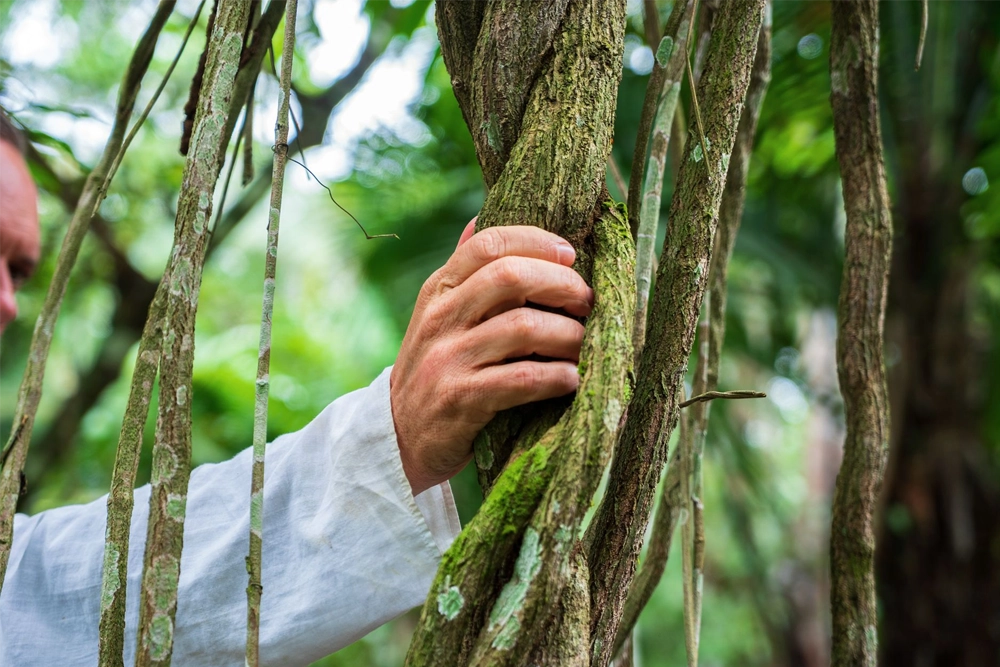
Ayahuasca is a brew made from the Banisteriopsis caapi vine, usually combined with leaves of other Amazonian plants. Indigenous peoples of the Amazon basin have used it for generations in healing and community practice. Because the brew has a strong physical and psychological effect, a skilled facilitator controls the setting, the dose, the music and the pace of the night. The format you choose determines how much structure surrounds that central event.
Retreats typically add dietary preparation, rest days, group conversation and time to reflect between sessions. A single ceremony usually offers less of that scaffolding, so the traveler arrives responsible for more of the preparation. In the ayahuasca ceremony vs retreat debate, neither format is superior. Each fits a different person and a different moment.
Historical Background
Amazonian communities used ayahuasca long before international travelers heard of it. Traditionally, a healer worked with a person or a family inside a community that already knew them, so preparation and follow-up happened naturally through daily life. A visitor from abroad has no such community around them.
Over recent decades, as more international travelers began visiting Peru, operators created programs that rebuild some of that support. The retreat side of the ayahuasca ceremony vs retreat split is, in effect, an attempt to recreate the surrounding community. Think of the ayahuasca ceremony vs retreat difference as a single deep dive versus a full diving course: both reach the water, but the course teaches you to breathe underwater first.
Why It Matters Today
The ayahuasca ceremony vs retreat choice changes your safety profile, your budget and your itinerary. A one-night session fits inside a tight schedule but compresses decision time. A multi-day retreat gives you room to withdraw, but it removes days from your trip and raises the stakes of a poor facilitator choice.
Here is the point most comparisons miss: the number of nights matters less than the ratio of support to ceremony time. A seven-day retreat with one session and careful follow-up can offer more care than a three-day program with several rushed sessions. In any ayahuasca ceremony vs retreat comparison, ask how many hours of preparation and integration surround each ceremony, not only how many ceremonies you will attend.
The Sacred Valley and Cusco Context
Cusco sits at roughly 3,400 meters above sea level, and Urubamba lies lower, at about 2,900 meters. Altitude affects sleep, hydration and appetite, so acclimatization should come before any ceremony. Many operators base participants in the Sacred Valley first because the lower elevation eases adjustment compared with arriving straight into Cusco.
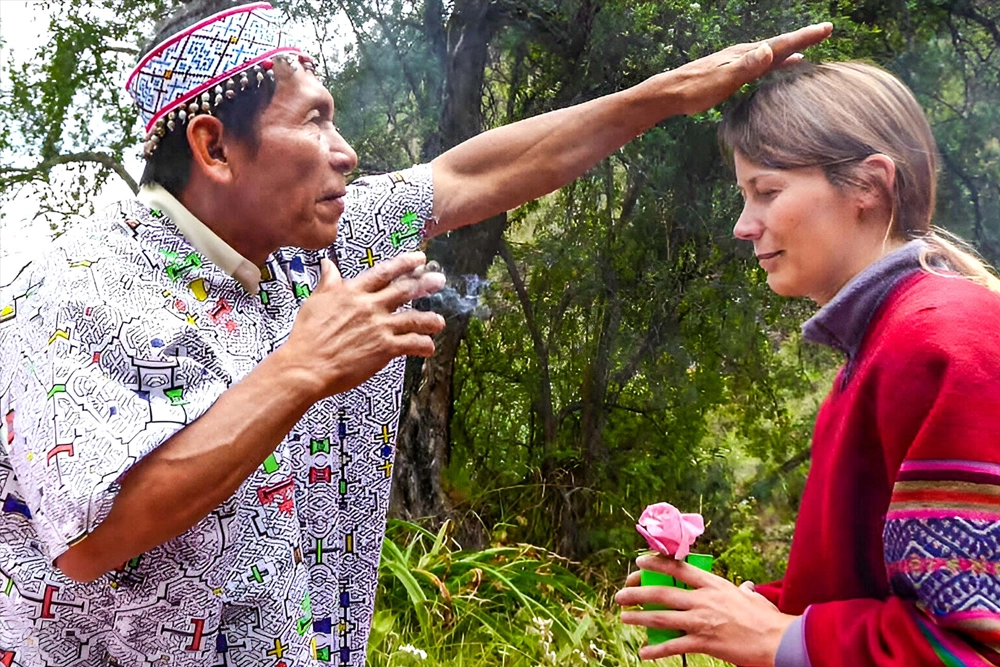
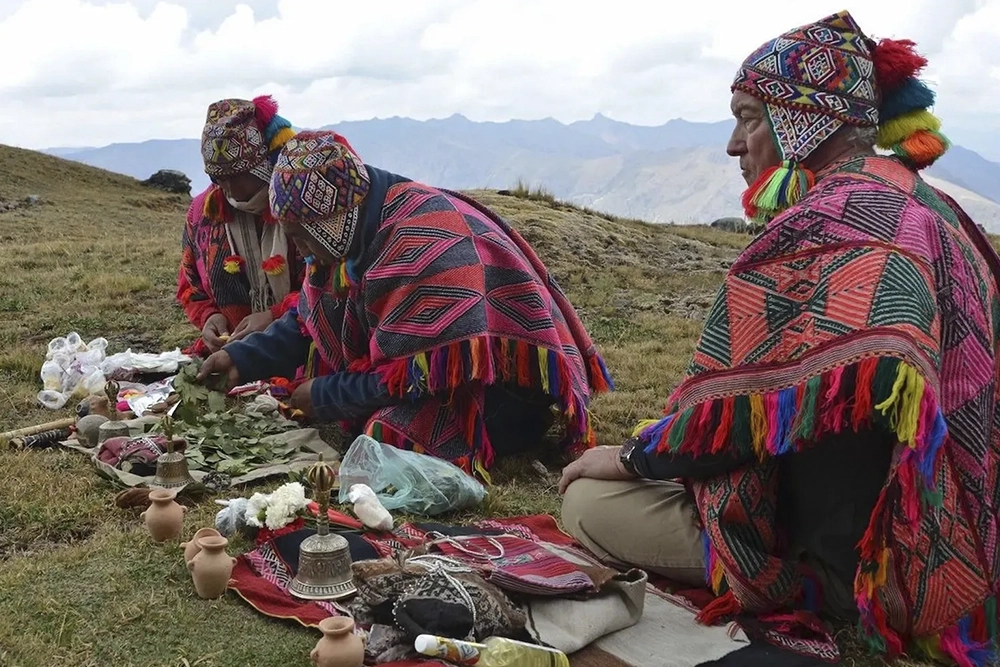
Cultural clarity matters here too. Ayahuasca is an Amazonian tradition. Peru Alive Tours arranges its ayahuasca ceremony with a Kuraq Hampiq, an Amazonian healer of the Machiguenga tradition from the Machiguenga native community. “Kuraq Hampiq” is a local title for masters of higher hierarchy. The Andean ceremonies in the region, such as despacho offerings and coca leaf work, belong to a different tradition and are led by a Q’ero master, an Aymara master or a Machiguenga healer depending on the ceremony. Peru Alive Tours was founded by Wilbert Yucra Choqqucunsa, an official guide with guide card No. 627 issued by DIRCETUR Cusco.
Key fact: Ayahuasca ceremonies led by qualified facilitators include medical screening questions beforehand, because the brew can interact dangerously with certain medications, including some antidepressants.
Want to explore how each format applies to your specific travel plans? Check the FAQ section or ask Peru Alive Tours on WhatsApp.
2. Benefits of Choosing the Right Ayahuasca Format
Quick answer: Choosing the correct ayahuasca ceremony or retreat format aligns your schedule, health screening, budget and expectations before you travel. The main gains are safer preparation, clearer costs, better altitude adjustment, deeper integration time and a more respectful relationship with the facilitator and the tradition.
The right answer to the ayahuasca ceremony vs retreat question protects you from decisions made in a hurry. Seven concrete benefits follow, and the last one is the one most travelers overlook.
Benefit 1: Screening Happens Before You Fly
Matching format to timeline gives you weeks, not days, to speak with your doctor. The brew can interact with medications, and conditions such as heart disease, pregnancy or a history of psychosis call for professional medical advice before any participation. Peru Alive Tours lists Mick Stemborski as a Licensed Clinical Therapist (license BBH-LCPC-LIC-1103, Montana). He is not a physician, so he does not replace your own doctor’s clearance.
Benefit 2: Costs Stay Predictable
In ayahuasca ceremony vs retreat budgeting, a single ceremony has a narrow cost scope, while a retreat bundles lodging, meals and sessions. Knowing which you want lets you ask the right pricing question. All Peru Alive Tours prices are quoted in US dollars per person, and the per-person price falls as the group grows, so always state your group size when requesting a quote.
Benefit 3: Altitude Works for You
Soroche, or altitude sickness, causes headache, nausea and poor sleep. In the ayahuasca ceremony vs retreat comparison, a longer program can place acclimatization days before the first session. A one-night ceremony needs you to arrive adjusted, so plan two or three days in the Sacred Valley beforehand.
Benefit 4: Preparation Fits Your Life
In an ayahuasca ceremony vs retreat comparison, preparation differs most. Facilitators usually ask participants to follow dietary and lifestyle guidelines before a session. A retreat often builds those guidelines into the program. With a single ceremony, you manage them yourself at home or in your hotel, which suits organized travelers and frustrates distracted ones.
Benefit 5: Integration Gets Real Time
Integration means making sense of the experience afterward. Across the ayahuasca ceremony vs retreat spectrum, a multi-day structure gives space for rest and conversation the next day. If you choose a one-night format, schedule a quiet day afterward instead of a transfer to Machu Picchu.
Benefit 6: Expectations Stay Realistic
People who understand the ayahuasca ceremony vs retreat difference know what the night will include and what it will not. That clarity lowers anxiety before the session, and a calmer arrival gives the facilitator better conditions to work with.
Benefit 7: Your Format Choice Shapes Your Relationship With the Tradition
Here is the expert-level insight. A rushed format treats the ceremony as an attraction. A format with time for conversation lets you learn who your healer is, what the Machiguenga tradition asks of you and how to behave respectfully. Travelers who meet the Kuraq Hampiq before the night, rather than on arrival at the ceremony space, tend to ask better questions and receive better guidance.
Verified data: At Peru Alive Tours, ayahuasca ceremonies include several herbal teas before the session and a light breakfast at dawn. Lunch and dinner of the following day are not included.
Want to maximize these benefits on your trip? Let Peru Alive Tours plan your experience.
3. Ayahuasca Ceremony vs Retreat: Step-by-Step Selection Guide
Quick answer: Six steps decide the one night vs multi day ayahuasca question: 1. define your goal, 2. complete medical screening, 3. count your available days, 4. plan altitude adjustment, 5. verify the facilitator, 6. confirm logistics and policies in writing. Finish steps one and two before comparing any price.
Step 1: Define What You Actually Want
Goal: Replace a vague wish with a one-sentence intention.
- Write why you want to attend, in your own words.
- Separate curiosity from a need for sustained support.
- Share that sentence with the operator in your first message.
Estimated time: 20 minutes. Tools: a notebook and one honest conversation with someone who knows you.
In the ayahuasca ceremony vs retreat decision, a curious traveler who wants to experience one traditional session usually fits a single ceremony. Someone who expects lasting personal change needs to be realistic: a single night rarely delivers that alone, and a longer program adds support but also adds responsibility.
Step 2: Complete Medical Screening First
Goal: Confirm that participation is safe for your body, whichever side of the ayahuasca ceremony vs retreat choice you favor.
- List every medication and supplement you take.
- Book an appointment with your own doctor.
- Disclose your full history to the facilitator honestly.
Estimated time: one to three weeks, depending on your doctor’s availability. Tools: your medication list and a written questionnaire from the operator.
Common mistake: Hiding a medication to avoid being turned away. The brew can interact dangerously with some antidepressants and other drugs. Solution: Disclose everything, follow your doctor’s instructions on any washout period, and accept a postponement if your doctor or the facilitator advises it.
Expert tip (Level 3): Ask your doctor in writing, not by phone. A written answer protects you, and it gives the facilitator something concrete to review. Peru Alive Tours does not replace your physician’s judgment.
Step 3: Count Your Real Available Days
Goal: Build the format around your calendar, not the reverse.
- Mark the dates you can leave work and family.
- Subtract travel days and altitude days.
- Reserve at least one full day after any session.
Estimated time: 15 minutes. Tools: a calendar and your flight options.
Time is the most practical filter in an ayahuasca ceremony vs retreat decision. If your trip has fewer than ten days in Peru, a multi-day retreat will crowd out everything else. Peru Alive Tours also runs wider programs, including the 7-day Kawsay, the 10-day Andean Mystical Pilgrimage and the 15-day Spiritual Connection Tour. Which ceremonies each program includes: [TO BE CONFIRMED BY CLIENT].
Step 4: Plan Altitude Adjustment
Goal: Arrive at the ceremony rested, hydrated and acclimatized.
- Land in Cusco and transfer to the Sacred Valley.
- Sleep two nights at lower elevation first.
- Drink water steadily and avoid heavy meals.
Estimated time: two to three days. Tools: a flexible itinerary and advice from your doctor about altitude medication. Altitude affects both sides of the ayahuasca ceremony vs retreat choice equally.
Expert tip (Level 3): Schedule the ceremony at the end of your acclimatization window, not at the start. Travelers who sleep poorly during their first nights at altitude enter the session already depleted.
Step 5: Verify the Facilitator
Goal: Know exactly who leads the session and in what tradition.
- Ask for the healer’s name and community.
- Ask how many participants each facilitator supports.
- Ask what the safety and emergency plan includes.
Estimated time: one conversation of 30 minutes. Tools: the question list in Section 6.
At Peru Alive Tours, the ayahuasca ceremony is led by a Kuraq Hampiq, an Amazonian healer of the Machiguenga tradition. Facilitator quality carries the most weight in any ayahuasca ceremony vs retreat comparison. Be cautious with any operator who cannot name who leads the ceremony, or who blends several traditions without explanation.
Step 6: Confirm Logistics and Policies in Writing
Goal: Remove surprises about money, meals and cancellations in your ayahuasca ceremony vs retreat plan.
- Request the price per person for your group size.
- Confirm what meals, teas and lodging are included.
- Read the cancellation terms before paying.
Estimated time: 30 minutes. Tools: the written itinerary and the operator’s policy page.
For reference, Peru Alive Tours applies a cancellation policy under which no refund is given when you cancel 30 days or fewer before the start date. Plan your commitment accordingly, because policy terms belong in every ayahuasca ceremony vs retreat comparison, and consider travel insurance for the trip as a whole.
Need help choosing the right format for your trip?
Do not guess between a ceremony and a retreat. Peru Alive Tours explains the options before you decide.
Contact Peru Alive Tours on WhatsApp
We explain everything before you decide · Offices in Urubamba and Cusco
4. Key Factors in an Ayahuasca Ceremony vs Retreat Comparison
Quick answer: Seven factors separate the two formats: duration, preparation, medical screening, facilitator and tradition, group size, total cost and policies. Compare each factor of the ayahuasca ceremony vs retreat choice in writing before booking, and weigh health and facilitator quality above price or convenience when the factors conflict.
The table below turns the ayahuasca ceremony vs retreat comparison into seven checks you can apply to any operator.
| Key Factor | Importance | How to Evaluate | Expected Impact |
|---|---|---|---|
| Duration | High | Count nights, sessions and rest days in the written itinerary | A ceremony fills one night; a retreat fills several days |
| Preparation | High | Ask what dietary and lifestyle guidelines apply and who explains them | Better readiness and fewer avoidable difficulties |
| Medical screening | Critical | Request the health questionnaire and speak with your own doctor | Lower risk of medication interactions |
| Facilitator and tradition | Critical | Ask the healer’s name, community and tradition | Cultural authenticity and accountable leadership |
| Group size | Medium | Ask how many participants each facilitator supports | More individual attention in smaller groups |
| Total cost | Medium | Get the per-person price for your group size, in US dollars | Per-person price falls as the group grows |
| Policies and inclusions | Medium | Read the cancellation terms and the meal list | No surprises on refunds, teas or breakfast |
How to Prioritize Based on Your Situation
Peru Alive Tours prices every service in US dollars per person and requires a minimum of two or three participants, with the per-person price dropping for larger groups. For wider programs, the 10-day Andean Mystical Pilgrimage costs US$2,795 per person for 3 participants and US$2,475 per person for 4 or more. The 15-day Spiritual Connection Tour (15 days, 14 nights) costs US$3,775 per person for 3 participants and US$3,395 per person for 4 or more. The 7-day Kawsay starts from US$1,375 per person, depending on group size [TO BE CONFIRMED BY CLIENT].
Use those numbers as context for the ayahuasca ceremony vs retreat decision, not as a ranking. When two factors conflict, resolve them in this order: medical safety first, then facilitator quality, then your available time, then price. A lower price never compensates for an unclear screening process. Also remember that Lake Titicaca is a different kind of trip altogether: the Lake Titicaca program (Uros, Taquile and Amantani) is a multi-day journey that starts in Cusco and reaches Puno on day 7, so it belongs in a long itinerary, not beside a single-night ceremony.
Need a personalized recommendation for your trip? Request a free consultation from Peru Alive Tours.
5. Traveler Scenarios: Matching an Ayahuasca Ceremony vs Retreat to the Person
Quick answer: Three illustrative traveler profiles show how the ayahuasca ceremony or retreat choice changes with schedule, health and goals. These scenarios are composites built for explanation, not testimonials or recorded results, and they show how each format fits a different person.
The scenarios below are illustrative, and each applies the ayahuasca ceremony vs retreat logic to a different person. They are not reviews, and no outcome numbers are attached to them. Real reviews are available on the Peru Alive Tours Facebook page, the Instagram account and the YouTube channel.
Scenario 1: The Time-Limited Visitor
Context: A traveler has nine days in Peru and wants one traditional session near Cusco.
Challenge: Nine days barely cover Machu Picchu, Ollantaytambo and altitude adjustment, so a multi-day program would remove everything else from the trip.
Solution: A single ceremony, scheduled after two nights in Urubamba, followed by a quiet day before leaving for Machu Picchu.
Results:
- Ceremony placed after altitude adjustment.
- A rest day protected after the session.
- The remaining itinerary stayed intact.
Key lesson: The day after the ceremony matters as much as the night itself. A transfer to a high-altitude site the next morning turns a calm experience into an exhausting one.
Scenario 2: The Traveler Seeking Sustained Support
Context: A traveler has three weeks and wants more than a single night, with time to rest and reflect.
Challenge: Longer programs vary widely, and some pack sessions closely together without enough rest.
Solution: A multi-day program chosen after reading the daily schedule and confirming how many hours of rest and conversation surround each session.
Results:
- Sessions separated by rest days.
- The facilitator was identified before booking.
- Questions about meals and teas answered in writing.
Key lesson: Evaluate the spaces between sessions. A calm program protects the ceremonies; a crowded one only multiplies them.
Scenario 3: The Cautious Planner With Medication
Context: A traveler takes a daily prescription and feels uncertain about participating at all.
Challenge: Some medications interact dangerously with the brew, and an unsupervised decision could cause harm.
Solution: The traveler disclosed everything, asked a doctor in writing and postponed the decision until the answer arrived.
Results:
- Medical advice obtained before any payment.
- The facilitator received a complete health history.
- The trip plan stayed flexible while waiting.
Key lesson: Sometimes the best decision is to wait. A good operator treats a postponement as a normal outcome, not as a lost sale.
Common mistakes observed:
- Booking before checking medications. Solution: consult your doctor first.
- Skipping altitude days. Solution: arrive two nights early.
- Comparing only price. Solution: compare the seven factors.
- Ignoring who leads. Solution: ask for the healer’s name.
- Planning a hard travel day after. Solution: reserve a rest day.
Want a similar experience matched to your own situation? Discover how Peru Alive Tours can help you.
6. Best Practices and Mistakes to Avoid in the Ayahuasca Ceremony vs Retreat Decision
Quick answer: Responsible participants disclose their health history, arrive acclimatized, verify who leads the ceremony and leave a recovery day afterward. They avoid hiding medications, booking on price alone, mixing adventure activities with the session or treating the ceremony as entertainment. In the ayahuasca ceremony vs retreat decision, good preparation matters more than the format chosen.
What You SHOULD Do
- Disclose your complete health history. Facilitators can only protect what they know about. Include medications, supplements and past diagnoses.
- Consult your own doctor. A physician knows your history better than any operator. Ask for the answer in writing.
- Arrive acclimatized. Spend at least two nights in the Sacred Valley first. Rested bodies handle the night more calmly.
- Ask who leads the session. Names and communities are basic information. At Peru Alive Tours, a Kuraq Hampiq of the Machiguenga tradition leads the ayahuasca ceremony.
- Clarify what is included. Peru Alive Tours includes herbal teas before the ceremony and a light breakfast at dawn. Plan your own lunch and dinner the next day.
- Protect the day after. Cancel nothing important, but schedule nothing demanding. Rest is part of the process.
- Bring respect, not expectations. This is a living tradition of Amazonian peoples. Listen first and ask questions second.
- Buy suitable travel insurance. Peru Alive Tours’ own insurance does not cover adventure activities, so choose a personal policy that does if you plan to raft or ride.
What You Should NOT Do
- Do not hide a medication. Interactions can be serious. Disclose everything and accept advice to postpone.
- Do not pick by price alone. The cheapest format may leave out screening or support. Compare the seven factors in Section 4.
- Do not combine the session with adventure activities. Rafting, horseback riding and long hikes demand full alertness. Keep them on separate days, after you recover.
- Do not call it an Andean ceremony. Ayahuasca belongs to the Amazon. Using the wrong tradition signals an operator who has not done the homework.
- Do not treat it as an attraction. Photographing the session or demanding spectacle disrespects the participants and the healer.
- Do not assume the rules match your country. Peru Alive does not provide legal advice. Rules on traditional plant medicines differ from country to country, so check the regulations of your home country, including what you may carry or bring back, and consult your own doctor and, if needed, a legal adviser before you travel.
Advanced strategy (Level 3): Request the daily schedule, not the brochure. A schedule shows how many hours of rest and conversation surround each session. The UNESCO World Heritage Centre notes the cultural weight of the region around Machu Picchu and the Sacred Valley, and operators that respect that context usually respect their participants’ recovery time as well.
Quick Checklist
- Doctor’s written answer received
- Medications fully disclosed to the facilitator
- Two altitude nights planned beforehand
- Healer’s name and tradition confirmed
- Recovery day reserved afterward
Whatever you decide on the ayahuasca ceremony vs retreat question, keep adventure separate. Peru Alive Tours’ rafting guide is certified by DIRCETUR Cusco, the helmets and life jackets are NRS (Northwest River Supplies) equipment, and the activity is rescheduled or rerouted when the river runs high. Rafting and horseback riding cost US$150 per person for groups of 3 or more [TO BE CONFIRMED BY CLIENT for smaller groups]. Because Peru Alive’s insurance does not cover adventure activities, buy personal travel insurance that does.
Want expert guidance for your Sacred Valley itinerary? Request a free review from Peru Alive Tours.
7. Current Trends in Ayahuasca Ceremony vs Retreat Choices
Quick answer: Current ayahuasca ceremony vs retreat conversations focus on screening, integration support, smaller groups and cultural accuracy. Travelers increasingly ask who leads the session, how safety works and what happens afterward, and they compare formats on care rather than on days alone.
Innovations in Adventure and Spiritual Tourism
Spiritual tourism in Peru has widened beyond single attractions. Visitors combine cultural sites such as Moray terraces and the Maras salt mines with ceremonies, and operators increasingly publish who leads each ritual. The World Tourism Organization encourages responsible and sustainable tourism, and that framework puts pressure on operators to disclose practices openly.
Information access also changed behavior, and travelers researching an ayahuasca ceremony vs retreat now compare screening and follow-up care first. Travelers now arrive having read about contraindications, dietary preparation and the difference between Amazonian and Andean traditions. They ask sharper questions, and operators who answer plainly earn trust faster. Peru’s tourism ministry publishes official information for visitors through MINCETUR, which is a sound place to start when verifying any operator’s regulatory context.
Market Evolution in Cusco and the Sacred Valley
The Sacred Valley now serves as a base for travelers who want calm instead of the crowds of Cusco’s center. Urubamba, with its lower elevation, appeals to those who prioritize acclimatization. Peru Alive Tours operates offices in Urubamba and in San Blas, Cusco, so travelers can meet the team in person before committing.
Pricing models are also shifting. Many operators now quote per person with group discounts, which matches Peru Alive Tours’ structure of US-dollar prices that fall as groups grow. Ask for the group-size breakdown every time, since a quote without one hides the real cost.
Short- and Medium-Term Outlook
- Medical screening will likely become a standard first step across operators.
- Travelers will probably compare facilitators more than facilities in every ayahuasca ceremony vs retreat comparison.
- Integration time will likely move from an extra to an expectation.
- Tradition-specific labeling, such as Amazonian versus Andean, should become more precise.
- Level 3 insight: the strongest operators will compete on follow-up care and transparency, not on number of ceremonies offered.
Strategic advice: Before you request prices, write down your medications, your available days and your goal. That single page makes every conversation with an operator faster and safer.
Expected Impact in Cusco and the Sacred Valley
Informed travelers shape the local market, and the ayahuasca ceremony vs retreat questions they ask raise standards. When visitors ask for clarity on who leads a ceremony and how screening works, operators in Cusco and the Sacred Valley adjust their standards. Peru Alive Tours, led by guide Wilbert Yucra Choqqucunsa (official guide card No. 627, DIRCETUR Cusco), answers those questions directly and in writing.
Ready to plan with a team that answers questions plainly? Let Peru Alive Tours design your trip.
Frequently Asked Questions About Ayahuasca Ceremony vs Retreat
Peru Alive Tours compiled the most common questions about choosing an ayahuasca format in the Sacred Valley and Cusco:
What is the difference between an ayahuasca ceremony and a retreat?
Short answer: A ceremony is one overnight session; a retreat is a multi-day program containing several sessions plus preparation and rest.
The ayahuasca ceremony vs retreat difference is scope. A ceremony concentrates the experience into a single night, while a retreat surrounds sessions with meals, conversation and recovery days. Neither is better in general. The right choice depends on your health, your available days and how much support you want around the session.
What is an ayahuasca ceremony?
Short answer: It is a facilitated session in which participants drink ayahuasca, an Amazonian plant brew, guided by a trained healer.
Ayahuasca belongs to the Amazonian traditions of Peru. At Peru Alive Tours, a Kuraq Hampiq of the Machiguenga tradition leads the session. The healer controls the pace, the music and the setting while participants stay in a prepared space until dawn.
What is an ayahuasca retreat?
Short answer: It is a multi-day program that combines several ceremonies with preparation, meals, rest and integration time.
Retreats vary widely in length and structure across operators. Ask for the daily schedule and compare the hours of rest around each session. Peru Alive Tours can explain which of its programs include ceremonies [TO BE CONFIRMED BY CLIENT].
How long is an ayahuasca retreat?
Short answer: Retreat length varies by operator, from a few days to several weeks, so ayahuasca retreat length depends on the program.
No universal standard exists. Compare the number of sessions against the number of rest days rather than looking at total days alone. For wider Peru Alive Tours programs, the options include a 7-day, a 10-day and a 15-day itinerary.
How long does a single ayahuasca ceremony last?
Short answer: It runs overnight, from the evening into dawn, followed by a light breakfast.
At Peru Alive Tours, participants receive several herbal teas before the ceremony and a light breakfast at dawn. Lunch and dinner of the following day are not included. Keep the next day free so you can rest and reflect.
Should I choose one night or a multi-day ayahuasca program?
Short answer: Choose one night if your time is limited and you are well prepared; choose a multi-day program if you want more support.
The one night vs multi day ayahuasca decision depends on goals, schedule and health. A single session suits a visitor with a tight itinerary. A longer program suits someone who wants rest and conversation around the sessions and has the days to spare.
Is ayahuasca safe for everyone?
Short answer: No. Some medications and health conditions make participation unsafe, so medical advice is essential.
Antidepressants and certain other drugs can interact dangerously with the brew, and conditions such as heart disease, pregnancy or a history of psychosis call for professional advice. Consult your own doctor before booking. The National Institutes of Health publishes general medical information worth reading beforehand.
Who leads the ayahuasca ceremony at Peru Alive Tours?
Short answer: A Kuraq Hampiq, an Amazonian healer of the Machiguenga tradition from the Machiguenga native community.
“Kuraq Hampiq” is a local title for masters of higher hierarchy. Other Peru Alive Tours ceremonies, such as Andean offerings, are led by a Q’ero master, an Aymara master or a Machiguenga healer, depending on the ceremony type.
How much does an ayahuasca ceremony or retreat cost?
Short answer: Prices are in US dollars per person and fall as the group grows; ask for a quote for your group size.
Whether you choose an ayahuasca ceremony vs retreat format, Peru Alive Tours requires a minimum of two or three participants per service. For wider programs, the 10-day Andean Mystical Pilgrimage costs US$2,795 per person for 3 participants and US$2,475 for 4 or more. The 15-day Spiritual Connection Tour costs US$3,775 for 3 and US$3,395 for 4 or more. The 7-day Kawsay starts from US$1,375 per person, depending on group size [TO BE CONFIRMED BY CLIENT].
Is ayahuasca an Andean or an Amazonian tradition?
Short answer: Ayahuasca is an Amazonian tradition, not an Andean one.
Andean practices, such as despacho offerings and coca leaf work, belong to the highland cosmovision of Quechua and Aymara peoples. Peru Alive Tours keeps the two apart and works with a Machiguenga healer for ayahuasca, because accuracy about tradition is part of respectful practice.
Is ayahuasca legal in Peru and in my country?
Short answer: Peru Alive does not provide legal advice; check the regulations of your home country.
Rules on traditional plant medicines differ from country to country. Review what you may carry or bring back, and consult your own doctor and, if needed, a legal adviser before you travel. Do not rely on an operator for legal guidance.
How many days should I spend in the Sacred Valley before a ceremony?
Short answer: Plan at least two nights in the Sacred Valley before any session to adjust to the altitude.
Urubamba lies at about 2,900 meters, lower than Cusco at roughly 3,400 meters. Soroche affects sleep and appetite, so rest and hydration come first. Peru Alive Tours offices in Urubamba and San Blas, Cusco, can help you plan your arrival days.
Which is better for a first-time traveler in the ayahuasca ceremony vs retreat choice?
Short answer: Neither is better universally; choose by health clearance, available days and desired level of support.
In the ayahuasca ceremony vs retreat comparison, a first-time traveler with limited days and good preparation can choose a single ceremony. Someone who wants more structure and has the time can choose a longer program. Whichever you pick, complete medical screening first and ask the facilitator how they support newcomers.
What is the cancellation policy for Peru Alive Tours programs?
Short answer: With 30 days or fewer before the start date, no refund is given.
Read the full terms on the “Reasons to go with Peru Alive” page before paying. Because cancellation terms affect your risk, confirm them in writing and consider travel insurance for the trip as a whole.
Do not see your question here?
The Peru Alive Tours team is ready to answer your specific questions.
Message Peru Alive Tours on WhatsApp
Response in under 2 hours · Offices in Urubamba and Cusco
Common Voice Search Queries
Hey Google, how do I decide on an ayahuasca ceremony vs retreat?
Quick answer: Start with your health and your calendar. Talk to your doctor, count your available days and decide whether you want one night or several days of support. Then ask the facilitator who leads the ceremony and what the safety plan includes.
Write down your medications before you contact anyone. That list speeds up every conversation and keeps the decision grounded in safety rather than marketing. The ayahuasca ceremony vs retreat choice becomes easier once safety is settled.
Hey Google, how long is an ayahuasca retreat?
Quick answer: Retreat length varies by operator, ranging from a few days to several weeks. A single ceremony lasts one night. The honest answer depends on the specific program, so request the written daily schedule before you book.
When people ask how long is an ayahuasca retreat, the schedule answers it. Look at rest days between sessions. A longer program with crowded sessions is not necessarily deeper than a shorter one with careful pacing.
Hey Google, is one night enough for an ayahuasca experience?
Quick answer: One night can be enough for a traveler who prepared well and wants a single traditional session. It offers less surrounding support than a multi-day program, so plan a rest day afterward and screen your health carefully beforehand.
Adequacy depends on your goal. Curiosity about one traditional session differs from a wish for sustained support, and the format should match the wish. That is the heart of the ayahuasca ceremony vs retreat decision.
Hey Google, where can I find an ayahuasca ceremony near Cusco?
Quick answer: Peru Alive Tours arranges ayahuasca ceremonies from its offices in Urubamba and San Blas, Cusco. A Kuraq Hampiq of the Machiguenga tradition leads the session. Contact the team on WhatsApp to ask about dates, group size and screening.
Whichever operator you contact, ask for the healer’s name, the medical questionnaire and the written inclusions before paying anything.
Hey Google, what should I do before an ayahuasca ceremony in the Sacred Valley?
Quick answer: See your doctor, disclose every medication, arrive two nights early to adjust to the altitude and follow the facilitator’s preparation guidelines. Keep the day after the ceremony free so you can rest and reflect.
Hydrate steadily, eat lightly and avoid scheduling adventure activities close to the session. Preparation is the part of the experience that you control, and it matters in any ayahuasca ceremony vs retreat plan.
Conclusion: Your Next Step
The ayahuasca ceremony or retreat question has no universal answer, only a right answer for your health, your calendar and your intention. The Sacred Valley and Cusco give you both sides of the ayahuasca ceremony vs retreat choice, with Urubamba’s lower elevation helping you adjust before either one. Think of the format as a doorway: a ceremony is a single door, a retreat is a hallway with several rooms, and your preparation decides whether you walk through calmly.
Settle the ayahuasca ceremony vs retreat question by choosing the format that leaves room for rest after the session, and choose the facilitator before the price. Contact Peru Alive Tours, share your medication list and your available days, and ask the questions from this guide. Ask for a written plan and compare it against the seven factors in Section 4.
Recommended action for today: List your medications and book a doctor’s appointment.
An ayahuasca ceremony vs retreat decision becomes simple when you put health first, tradition second and schedule third. Peru Alive Tours, with offices in Urubamba and San Blas, Cusco, answers format questions directly and in writing, so you can book only when you are ready.
Ready to Take the Next Step?
Peru Alive Tours operates from offices in Urubamba and San Blas (Cusco), with a team of local Sacred Valley specialists ready to design your experience. Reach out today and receive a personalized plan tailored to your health, interests and schedule.
Start Your Sacred Valley Experience with Peru Alive Tours
Our local team will help you plan the right format from Cusco or Urubamba.
Chat with Peru Alive Tours on WhatsApp
No commitment · We explain everything before you decide
+51 999 878 807 · info@perualive.com · www.perualive.com
Follow Peru Alive Tours on Facebook, Instagram, YouTube and X