What Are Ayahuasca Contraindications? Definition and Context
Quick answer: Ayahuasca contraindications are the medications, medical conditions and mental health histories that make drinking ayahuasca unsafe. They fall into three groups: drug interactions, cardiovascular risks and psychiatric vulnerabilities. A qualified doctor, not a ceremony organizer, makes the final clearance decision for each person.
Contraindications of ayahuasca are specific reasons why a person should not drink the brew. The term belongs to clinical language: a contraindication is a condition or treatment that makes an otherwise acceptable intervention harmful. Ayahuasca is a type of Amazonian plant preparation used in ceremonial healing. It differs from a wellness supplement or a tea by its pharmacology, because the brew affects serotonin, blood pressure and perception at the same time.
Historical Background
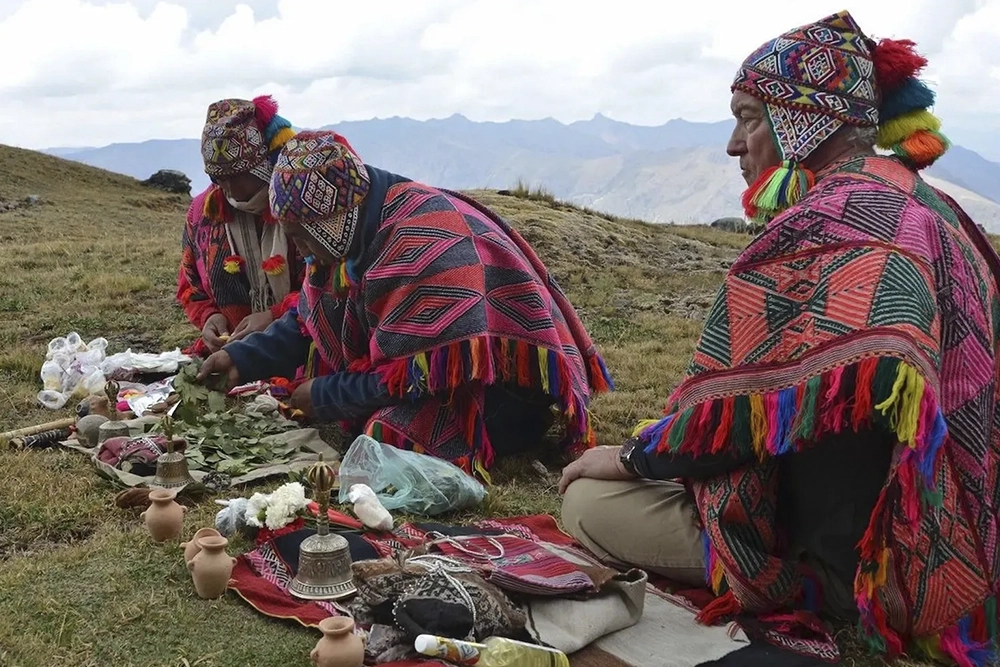
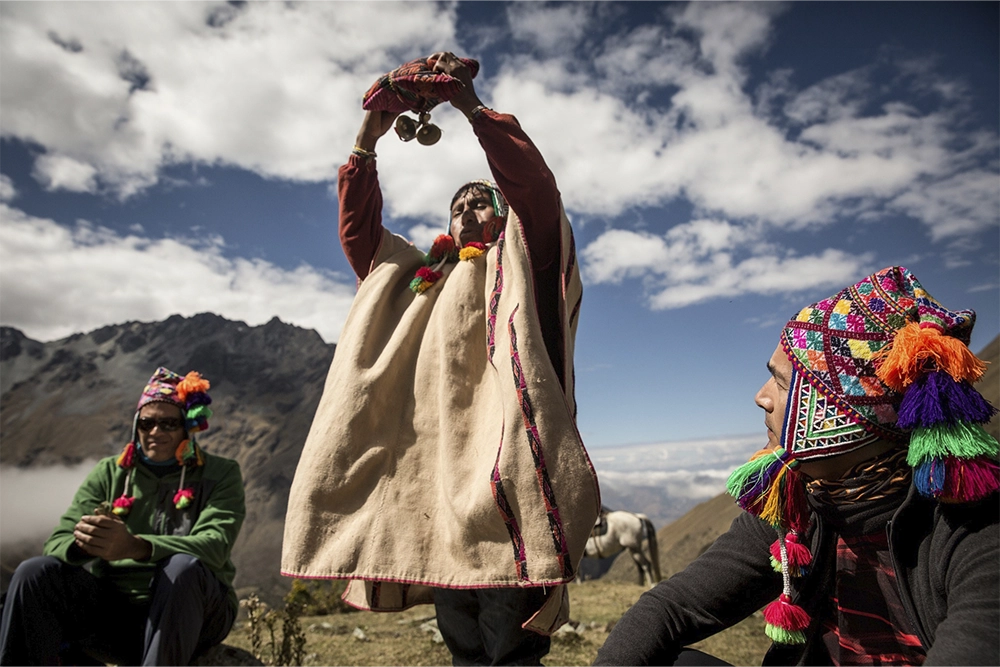
Amazonian communities have used ayahuasca in ceremonial settings for generations, and the practice sits inside a full system of diet, preparation and spiritual responsibility. The healer prepares the brew, sets the conditions and carries the duty of care for everyone in the room. Traditional frameworks always included restrictions on food, behavior and sometimes who could participate, which were the original ayahuasca contraindications.
Over the past few decades, the practice has reached international travelers, and with them came prescription medications that traditional healers never had to consider. Modern antidepressants, stimulants and pain medications did not exist in the original context. This gap explains why current guidance on ayahuasca contraindications relies on both traditional discipline and pharmacology.
Think of it like a lock and a key. Traditional protocol is the lock that keeps the ceremony safe, and modern medical screening is the second lock that today’s travelers need.
Why It Matters Today
Ayahuasca contraindications cover a long list of common drugs because the brew inhibits monoamine oxidase. Ayahuasca and antidepressants make a dangerous pairing. Selective serotonin reuptake inhibitors, serotonin-norepinephrine reuptake inhibitors, tricyclic antidepressants and monoamine oxidase inhibitors all raise the risk of serotonin syndrome when combined with the brew. Serotonin syndrome is a medical emergency that can involve high fever, agitation, rapid heart rate and muscle rigidity.
Ayahuasca medication interactions reach well beyond antidepressants. Most travelers do not realize that a medication you take for sleep, migraines, cough or weight can also matter. Dextromethorphan in cough syrup, triptans for migraines, tramadol for pain and some supplements such as 5-HTP and St. John’s wort appear on the cautionary lists of pharmacology references. Your pharmacist can check each product by its active ingredient, and that check takes minutes.
The Pachamama tradition teaches reciprocity: you give care before you receive. Medical honesty belongs to that giving. Hiding a medication or a diagnosis from a facilitator does not protect your place in a ceremony. It removes the information the facilitator needs to protect you.
The Sacred Valley and Cusco Context
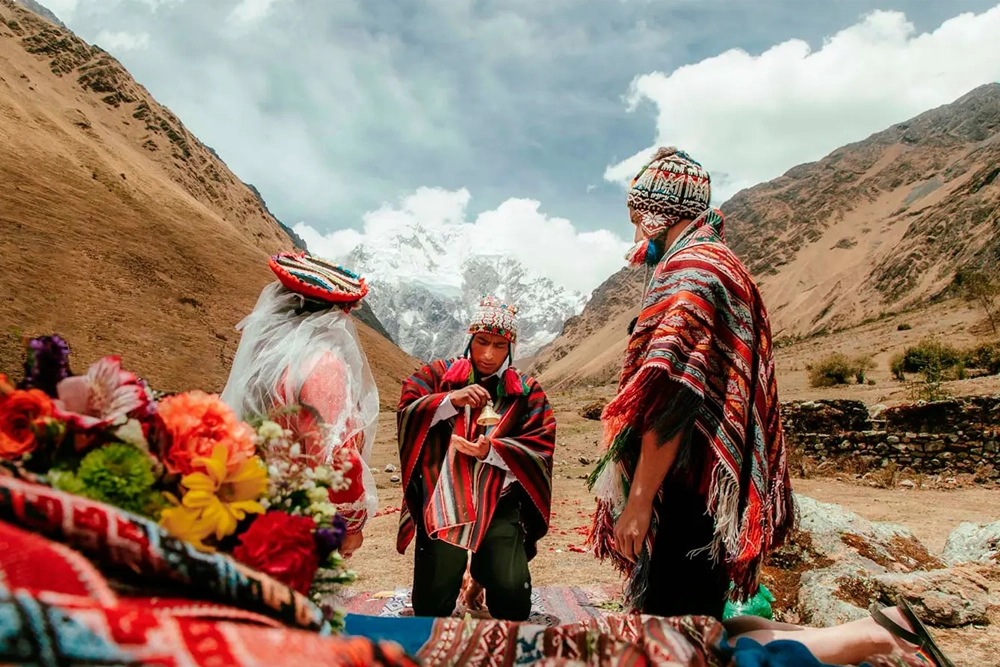
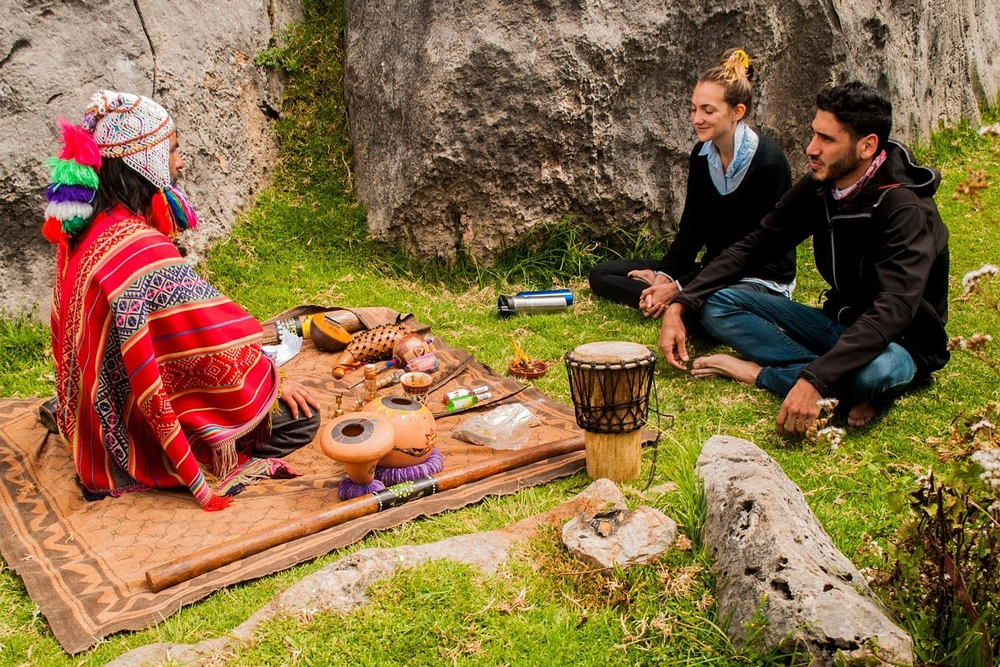
Ayahuasca is an Amazonian tradition, and the ceremony offered by Peru Alive Tours is led by a Kuraq Hampiq, an Amazonian healer of the Machiguenga tradition from the Machiguenga native community. Kuraq Hampiq is a local title for masters of higher hierarchy. The ceremony takes place in the Cusco region, where the Sacred Valley sits roughly 2,900 meters above sea level near Urubamba, and Cusco city sits near 3,400 meters.
That elevation changes the conversation about ayahuasca contraindications. Altitude already raises heart rate and breathing effort in the first days of a trip, and ayahuasca adds its own cardiovascular effects. Experienced operators in the Sacred Valley therefore recommend that guests acclimatize before any ceremony, and that guests with heart or lung conditions discuss altitude with a physician separately from ayahuasca itself. Peru Alive Tours operates from offices in Urubamba and San Blas, Cusco, and our team sees the combination of altitude and screening questions regularly.
Ceremonies with Peru Alive Tours include various herbal teas before the ceremony and a light breakfast at dawn. They do not include lunch or dinner on the following day. Plan your own meals with that in mind, especially if you manage a condition that depends on regular eating.
Key fact: Ayahuasca contains a monoamine oxidase inhibitor, so combining it with serotonergic medications such as SSRIs can trigger serotonin syndrome, a medical emergency recognized in standard pharmacology references.
Want to explore how ayahuasca contraindications apply to your specific travel plans? Check the FAQ section or ask Peru Alive Tours on WhatsApp.
2. Proven Benefits of Ayahuasca Medical Screening
Quick answer: Ayahuasca medical screening prevents dangerous drug interactions, identifies heart and mental health risks early, protects your travel investment, and gives the facilitator the information needed to care for you. A screening completed weeks before departure also leaves time to adjust medication safely with your prescriber.
Ayahuasca health screening is a structured review of your medications, diagnoses and history before you drink the brew. It differs from a casual questionnaire by involving a licensed professional who knows your record. Seven benefits of screening for ayahuasca contraindications stand out, and each one applies directly to travelers who arrive in Cusco from abroad.
1. Prevention of dangerous drug interactions
A medication review is the single most effective safeguard against ayahuasca contraindications. Pharmacists can compare each active ingredient against the monoamine oxidase inhibitor profile of the brew in minutes. Catching one SSRI, one triptan or one cough suppressant before departure removes the largest source of avoidable emergencies. Many travelers discover an interaction they never suspected, such as a migraine tablet kept in a travel bag.
2. Early detection of cardiovascular risk
DMT and the harmala alkaloids can raise heart rate and blood pressure. A blood pressure reading and a conversation about palpitations, chest pain or past cardiac events give your doctor the data to advise you. At roughly 2,900 meters in the Sacred Valley, that review also covers altitude tolerance, which makes the cardiovascular question more relevant than at sea level.
3. Protection of mental health stability
Ayahuasca can intensify emotion and perception for several hours. People with a history of psychosis or manic episodes face a higher risk that this intensity destabilizes them. Screening for ayahuasca contraindications gives a psychiatrist or therapist the chance to say plainly whether a ceremony fits your situation. That honesty protects you more than any promise of healing.
4. Time to adjust medication safely
Some medications require a long washout period before the brew is considered safe, and the length varies by drug. Fluoxetine, for example, stays in the body far longer than most antidepressants. Only your prescriber can plan a taper, because stopping abruptly can cause withdrawal or relapse. Early screening turns a last-minute crisis into a planned, supervised process.
5. Better preparation for the dieta
Traditional preparation includes a diet that avoids certain foods and substances before the ceremony. Because the brew inhibits monoamine oxidase, foods high in tyramine, such as aged cheeses and cured meats, deserve attention. A screening conversation turns the diet from a vague list into a personal plan that respects your conditions, such as diabetes or digestive disease.
6. Clearer expectations and fewer cancelled trips
Peru Alive Tours applies a refund rule that matters here: with 30 days or fewer before the start date, there is no refund. A traveler who discovers a contraindication late can therefore lose money as well as the experience. Checking ayahuasca contraindications before you book removes that risk and lets you choose a different itinerary if the answer is no.
7. Expert insight: screening builds the facilitator’s care plan
Most travelers see screening as a gate. In practice, it also works as a care plan. When a facilitator knows that a guest has mild asthma, controlled hypertension or a history of panic attacks, the team can position that guest near support, adjust attention and prepare for specific needs. Information that stays hidden cannot protect anyone.
Verified data: Standard practice among responsible operators in the Sacred Valley is to ask guests for a full list of medications and diagnoses before confirming a ceremony place.
Want to maximize these benefits on your trip? Let Peru Alive Tours plan your experience.
3. How to Check Ayahuasca Contraindications: Step-by-Step Medical Screening Guide
Quick answer: The six steps of ayahuasca screening are: 1. list every medication and supplement, 2. check each ingredient with a pharmacist, 3. consult your doctor, 4. discuss mental health history, 5. plan any medication change with your prescriber, 6. share the results with Peru Alive Tours before booking.
This process for identifying ayahuasca contraindications works best when you start at least two months before departure. Each step builds on the previous one, and skipping a step weakens the whole screening.
Step 1: Build a complete medication and supplement list
Goal: Capture everything relevant to ayahuasca contraindications, including items you consider harmless.
- Write every prescription with dose and start date
- Add over-the-counter products, including cough and cold remedies
- Include herbal products, vitamins and recreational substances
Estimated time: 30 minutes. Tools: medicine cabinet, pharmacy printout, phone notes.
Expert tip: Ask your pharmacy for a printed medication history. It often includes drugs you forgot, and your doctor can read it faster than a handwritten list.
Step 2: Check each active ingredient with a pharmacist
Goal: Identify ayahuasca contraindications caused by interactions with a monoamine oxidase inhibitor.
- Give the pharmacist ingredient names, not brand names
- Ask specifically about serotonin syndrome risk
- Request written notes for your doctor
Estimated time: 20 to 45 minutes. Tools: your local pharmacist and the drug information resources of MedlinePlus.
Step 3: Book a consultation with your physician
Goal: Obtain a professional opinion on your ayahuasca contraindications and your physical fitness for altitude.
- Bring your list and the pharmacist notes
- Request blood pressure and heart assessment
- Ask about liver and kidney function if relevant
Estimated time: one appointment, plus any tests. Tools: your family doctor, cardiologist or travel medicine clinic. The CDC travelers’ health page for Peru covers altitude and general travel health.
Common mistake: Travelers tell their doctor only that they are visiting Peru and never mention ayahuasca. The doctor then clears a vaccination or altitude question and never reviews the brew. Solution: name the substance explicitly and ask whether it is compatible with each of your medications and conditions.
Step 4: Discuss your mental health history honestly
Goal: Determine which ayahuasca contraindications apply to your psychological situation.
- Share any psychosis, mania or bipolar history
- Mention suicidal thoughts, trauma and panic episodes
- Include family history of psychotic disorders
Estimated time: one appointment. Tools: psychiatrist, psychologist or licensed therapist. Peru Alive Tours works with Mick Stemborski, a Licensed Clinical Therapist (license BBH-LCPC-LIC-1103, Montana). He is not a physician or a medical reviewer, so medical clearance still comes from your own doctor.
Expert tip: A family history of psychosis matters even if you have never had symptoms. Mention it, because clinicians consider it part of risk assessment.
Step 5: Plan any medication change with your prescriber
Goal: Decide whether ayahuasca contraindications require a supervised taper is appropriate or whether the ceremony should wait.
- Never stop medication on your own
- Ask how long your drug takes to clear
- Agree on a plan for symptoms if they return
Estimated time: several weeks, sometimes longer. Tools: your prescriber and a written taper schedule.
Step 6: Share the screening results with Peru Alive Tours
Goal: Give the team accurate information before you commit to a date.
- Send diagnoses, medications and doctor opinions
- Tell us about allergies and dietary needs
- Ask what to expect at altitude and during the ceremony
Estimated time: one message. Tools: WhatsApp or info@perualive.com.
Need help choosing the right tour for your trip?
Do not guess about safety. Peru Alive Tours explains each step before you decide.
Contact Peru Alive Tours on WhatsApp
We explain everything before you decide · Offices in Urubamba and Cusco
4. Key Factors to Evaluate Before You Reserve an Ayahuasca Ceremony
Quick answer: Seven factors decide which ayahuasca contraindications apply to you: current medications, psychiatric history, cardiovascular health, pregnancy status, liver and kidney function, altitude tolerance and the facilitator’s screening process. A professional should evaluate each factor before you pay a deposit.
| Key Factor | Importance | How to Evaluate | Expected Impact |
|---|---|---|---|
| Current medications and supplements | Critical | Review every active ingredient with a pharmacist and your prescriber | Prevents serotonin syndrome and other interaction emergencies |
| Psychiatric history | Critical | Discuss psychosis, mania, bipolar disorder and family history with a mental health professional | Identifies who should not participate at all |
| Cardiovascular health | High | Request a blood pressure check and, if relevant, a cardiologist opinion | Reduces the chance of a cardiac event during the effects |
| Pregnancy or breastfeeding | High | Confirm status and follow your obstetrician’s guidance | Excludes participation during pregnancy and nursing |
| Liver and kidney function | Medium to high | Ask your doctor whether blood tests are advisable for your history | Clarifies how your body processes the brew and your medications |
| Altitude tolerance | High | Plan acclimatization days in Cusco or the Sacred Valley and discuss altitude with your doctor | Lowers the combined physical stress of altitude and ceremony |
| Facilitator screening process | High | Ask who leads the ceremony, what questions they ask and how they handle emergencies | Shows whether the operator treats safety as a priority |
How to Prioritize Based on Your Situation
Start with the ayahuasca contraindications that can exclude you outright. Medications and psychiatric history sit at the top because a negative answer on either one ends the conversation. If you take an antidepressant, resolve that first with your prescriber before you spend time on logistics. If you have a heart condition, ask your cardiologist before you compare ceremony dates.
Cusco and Urubamba add a layer that most guides skip. Altitude can mask or mimic symptoms, since headache, nausea and rapid heartbeat appear in both altitude sickness, known locally as soroche, and in reactions to the brew. Experienced Sacred Valley operators therefore recommend a few days of acclimatization before any ceremony, so that your baseline is known. Peru Alive Tours can help you build that buffer into your itinerary.
Who Should Not Take Ayahuasca: The Main Exclusions
Who should not take ayahuasca depends on medication, physical health and mental health. The ayahuasca contraindications below appear repeatedly in pharmacology references and in the practice of responsible operators. Your doctor makes the final decision for your case, and this list does not replace that opinion.
- People taking serotonergic medication: SSRIs, SNRIs, tricyclic antidepressants, MAOIs, lithium, tramadol, triptans, dextromethorphan and certain stimulants carry interaction risk.
- People with psychotic disorders: a history of psychosis or schizophrenia usually excludes participation, and a close family history calls for specialist advice.
- People with bipolar disorder: the intensity of the experience can trigger manic episodes in vulnerable people.
- People with serious heart conditions: heart disease, arrhythmia, a prior stroke or uncontrolled high blood pressure require cardiology clearance, and many cases are excluded.
- Pregnant and breastfeeding women: safety data are insufficient, so responsible operators decline participation.
- People with seizure disorders: epilepsy needs neurological advice before any decision.
- People with significant liver or kidney disease: impaired processing changes how the body handles the brew and medication.
- People in acute emotional crisis: recent trauma, active suicidal thoughts or severe instability call for stabilization and professional care first.
- Minors: responsible operators do not serve people under eighteen.
Several ayahuasca contraindications need individual assessment rather than an automatic rule. Diabetes, for example, interacts with fasting and vomiting, while asthma and anxiety disorders interact with altitude and intense experiences. These cases show why ayahuasca precautions work as a conversation with your doctor and not as a single checklist.
Safety rule: Do not stop or change any prescribed medication to qualify for a ceremony. Only your prescriber can plan a safe change, and some conditions mean the ceremony should simply not happen.
Need a personalized recommendation for your trip? Request a free consultation from Peru Alive Tours.
5. Screening Scenarios: Three Illustrative Travelers
Quick answer: Three illustrative scenarios show how ayahuasca contraindications work in practice: a traveler on antidepressants, a traveler with controlled high blood pressure and a traveler with a family history of psychosis. Each scenario is a composite example, not a real testimonial, and each ends with a different, medically guided decision.
Peru Alive Tours writes these scenarios to illustrate common screening situations without inventing testimonials. Names, ages and details are deliberately omitted. Each scenario reflects ayahuasca contraindications patterns that Sacred Valley operators describe, and each shows a different lesson about ayahuasca screening and contraindications.
Scenario 1: The traveler taking a daily antidepressant
Context: A traveler in her thirties books a Cusco trip and wants to attend an ayahuasca ceremony. She takes a daily SSRI prescribed for anxiety and feels stable.
Challenge: She assumes the dose is low enough to be safe. Pharmacology references list SSRIs as a serious interaction risk, which is why antidepressants appear among ayahuasca contraindications with monoamine oxidase inhibitors, regardless of how small the dose looks.
Solution: She discusses the trip with her prescriber, who explains that a taper would take weeks and carries relapse risk. She decides that her mental stability matters more than the ceremony.
Results:
- Medication stays unchanged and supervised
- She skips the ceremony and joins cultural activities instead
- She avoids a cancelled booking by deciding early
Key lesson: A clear no is a successful screening outcome. The goal is safety, and attendance is secondary.
Scenario 2: The traveler with controlled high blood pressure
Context: A traveler in his fifties manages hypertension with medication and walks daily. He has no cardiac history.
Challenge: DMT and harmala alkaloids can raise blood pressure and heart rate, and the Sacred Valley altitude adds strain. His blood pressure medication also requires review for interactions. Heart conditions rank among the ayahuasca contraindications that need specialist review.
Solution: His cardiologist reviews his readings, checks the medication class and advises on altitude. The doctor gives a written opinion and recommends several acclimatization days.
Results:
- Written medical opinion shared with the operator
- Itinerary includes days of rest before any ceremony
- Blood pressure monitored during the trip
Key lesson: A chronic condition does not always exclude participation, but only a physician who knows your record can decide. Controlled and uncontrolled hypertension carry very different risk.
Scenario 3: The traveler with a family history of psychosis
Context: A traveler in her twenties has no diagnosis. A sibling received a diagnosis of schizophrenia several years earlier.
Challenge: She believes that no personal diagnosis means no risk. Clinicians consider family history of psychotic disorders a meaningful risk factor for destabilization during intense altered states. Family history of psychosis therefore belongs among the ayahuasca contraindications that need a specialist opinion.
Solution: She speaks with a psychiatrist, who advises against ayahuasca. She chooses other practices in the Sacred Valley, such as a despacho offering, a coca leaf reading and a guided cultural visit.
Results:
- Informed decision before paying a deposit
- Spiritual interest redirected to lower-risk practices
- No ceremony place held unnecessarily
Key lesson: Spiritual travel in Peru offers many paths. Choosing a different ceremony honors your health and the tradition.
Common mistakes observed:
- Hiding a medication: disclose every drug, because hidden information cannot protect you.
- Stopping medication alone: contact your prescriber and never taper without supervision.
- Ignoring supplements: check St. John’s wort and 5-HTP with a pharmacist.
- Skipping altitude planning: arrive early and rest before any ceremony.
- Booking before screening: consult your doctor first to protect your payment.
Want a similar level of care for your own plans? Discover how Peru Alive Tours can help you.
6. Best Practices and Mistakes to Avoid With Ayahuasca Contraindications
Quick answer: Good ayahuasca precautions combine early medical screening, full disclosure, a prepared diet, acclimatization to altitude and a trained facilitator. The most damaging mistakes are ignoring ayahuasca contraindications, concealing medication, quitting prescriptions without supervision and treating the ceremony as entertainment rather than a serious plant medicine practice.
What You SHOULD Do
- Start screening early. Begin checking ayahuasca contraindications at least two months before departure, because medication changes take time.
- Disclose everything. Share diagnoses, drugs and substances, because the facilitator plans care from your answers.
- Carry a written medical summary. Bring your doctor’s note and medication list in English, since emergencies move quickly.
- Acclimatize first. Spend several days at altitude before the ceremony so that your baseline symptoms are known.
- Follow the preparation diet. Ask your facilitator what to avoid, and adapt it to conditions such as diabetes with your doctor.
- Buy travel insurance. Confirm that it covers medical care abroad and any evacuation from the Cusco region.
- Ask about the facilitator. Confirm who leads the ceremony and what training and tradition stand behind them.
- Respect the tradition. Treat ayahuasca as an Amazonian sacred practice, and approach it with humility, not curiosity alone.
What You Should NOT Do
- Do not combine with other substances. Alcohol, stimulants and recreational drugs add unpredictable risk, so avoid them before and after.
- Do not stop prescriptions alone. Abrupt changes can cause relapse or withdrawal, so involve your prescriber.
- Do not rely on internet forums. Anonymous advice cannot read your medical record, so ask a professional.
- Do not assume natural means safe. A plant preparation can interact with drugs, so check every ingredient.
- Do not hide a diagnosis to secure a place. Concealment removes the facilitator’s ability to protect you, so share it openly.
- Do not drink on a dare. Peer pressure has no place in a ceremony, so decide alone and well in advance.
Advanced strategy: Ask your doctor to write a short letter that lists your diagnoses, medications and the physician’s opinion on altitude and ayahuasca contraindications. A single page speeds communication with the operator and with any emergency clinic in Cusco or Urubamba.
Quick Checklist
- Medication list reviewed by a pharmacist
- Doctor consulted about ayahuasca and altitude
- Mental health history discussed honestly
- Travel insurance purchased and verified
- Screening results shared with Peru Alive Tours
Want expert guidance for your Sacred Valley itinerary? Request a free review from Peru Alive Tours.
7. Current Trends in Ayahuasca Contraindications and Safety
Quick answer: Currently, ayahuasca safety and the handling of ayahuasca contraindications are moving toward written medical screening, clearer operator transparency and greater respect for indigenous leadership. Travelers increasingly ask who leads the ceremony, which tradition it belongs to and how emergencies are handled, and responsible operators in Cusco now expect those questions.
Innovations in Adventure and Spiritual Tourism
Responsible operators now treat screening for ayahuasca contraindications as a standard step and no longer as an optional courtesy. Guests receive questionnaires before arrival, and some operators ask for a physician’s note. Travelers also compare operators by transparency, so providers that publish clear safety information gain trust over those that sell only atmosphere.
Ethical travel has become a purchase criterion in its own right. Sustainable tourism guidance from the World Tourism Organization emphasizes respect for host communities, and Peru’s tourism authorities, including MINCETUR, regulate tourism activity in the country. Spiritual travelers increasingly want to know that the healer, not the tour company, owns the tradition.
Market Evolution in Cusco and the Sacred Valley
Cusco and Urubamba draw travelers who combine cultural sites such as Ollantaytambo, Moray and Machu Picchu, a UNESCO World Heritage site, with spiritual practice. Many of those travelers arrive from abroad with prescriptions that their home doctors never connected to a plant ceremony. Operators who handle that reality calmly serve this audience best.
Peru Alive Tours adapts to this change by treating the screening conversation as part of the service. Wilbert Yucra Choqqucunsa, founder and guide, holds official guide card No. 627 issued by DIRCETUR Cusco, and the company operates offices in Urubamba and San Blas, Cusco. Travelers can reach the team by phone, email and WhatsApp before any booking decision.
Short- and Medium-Term Outlook
- Written screening becomes standard: Travelers will expect questionnaires, because transparent operators attract informed guests.
- Interaction awareness grows: Public information about serotonergic drugs will reach more travelers through pharmacists and doctors.
- Altitude planning moves earlier: Itineraries will place acclimatization days before ceremonies, because recovery protects safety.
- Questions about tradition increase: Guests will ask about lineage and leadership, so operators must answer accurately.
- Insight: a refusal becomes a trust signal. Operators who decline unsafe participants will earn more long-term credibility than those who accept everyone.
Strategic advice: Contact your doctor and your chosen operator in the same week, so both sides review the same facts before you book flights.
Expected Impact in Cusco and the Sacred Valley
Clearer standards on ayahuasca contraindications strengthen the reputation of the whole Sacred Valley as a destination for responsible spiritual travel. The Cusco region benefits when guests leave with accurate expectations, and it suffers when avoidable incidents make headlines. Operators who invest in screening protect both their guests and the communities whose traditions they present.
Ready to plan a Sacred Valley trip built around your health needs? Let Peru Alive Tours design your trip.
Frequently Asked Questions About Ayahuasca Contraindications
Peru Alive Tours compiled the most common questions about ayahuasca contraindications in the Sacred Valley and Cusco:
What are the main contraindications of ayahuasca?
Short answer: The main contraindications are serotonergic medications, psychotic or bipolar disorders, serious heart disease, uncontrolled hypertension and pregnancy.
These groups share one feature: the brew can worsen the underlying condition or react with the treatment. Seizure disorders, liver or kidney disease and acute emotional crisis also call for caution. Your physician decides each case individually, and a careful operator accepts that decision without argument. If you are unsure which group applies to you, send your questions to Peru Alive Tours before you book any date.
Can you take ayahuasca while on antidepressants?
Short answer: No. Antidepressants such as SSRIs, SNRIs and MAOIs can cause dangerous serotonin syndrome when combined with ayahuasca.
The vine in the brew inhibits monoamine oxidase, so serotonin accumulates when an antidepressant is also present. Never stop an antidepressant by yourself to attend a ceremony. Withdrawal and relapse are real risks, and some drugs need weeks to clear. Discuss the question with your prescriber, accept their answer and consider a different practice if the answer is no.
Who should not take ayahuasca?
Short answer: People with psychosis, bipolar disorder, serious heart conditions, serotonergic medication, pregnancy or under eighteen should not take ayahuasca.
Anyone in acute emotional crisis should also wait and seek professional support first. A family history of psychosis deserves a specialist opinion even when you have no diagnosis. Responsible operators screen for these groups before confirming a place and decline participants when safety is uncertain. Declining is a sign of care and not a judgment about you.
Is ayahuasca safe?
Short answer: Safety depends on your health, your medications and the facilitator. Ayahuasca is not safe for everyone, even in a ceremonial setting.
Ayahuasca contraindications explain most of the risk, and the risks include drug interactions, cardiovascular strain, psychological destabilization and vomiting with dehydration. A medically screened participant who works with an experienced healer reduces these risks, though nobody can promise zero risk. The question of whether ayahuasca is safe therefore has a personal answer that your doctor helps to determine. Peru Alive Tours does not give guarantees, and it recommends medical clearance first.
How do I get medical clearance for an ayahuasca ceremony?
Short answer: Bring your medication list to your doctor, name ayahuasca explicitly, and ask for a written opinion on your physical and mental fitness.
Add a pharmacist review of each active ingredient and, if relevant, a visit with a cardiologist or psychiatrist. Ask the doctor to comment on altitude as well. Then share the results with the operator. Peru Alive Tours does not issue medical clearance and its team includes a Licensed Clinical Therapist, not a physician, so the medical decision stays with your own doctor.
How does ayahuasca interact with other medications?
Short answer: Ayahuasca blocks monoamine oxidase, so it can raise the effects of serotonergic drugs, stimulants and some pain and migraine medications.
Pharmacology references flag tramadol, triptans, dextromethorphan, certain stimulants and supplements such as St. John’s wort and 5-HTP. Blood pressure medication also needs review. Because lists differ by country and brand, ask a pharmacist to check each active ingredient. The National Center for Complementary and Integrative Health offers general information on herbal products.
How long before an ayahuasca ceremony should I stop my medication?
Short answer: Only your prescriber can answer this, because the clearance period differs by drug and some conditions mean you should not stop at all.
Some medications leave the body within days, while others, such as fluoxetine, take much longer. Stopping alone can trigger withdrawal or a return of the condition. Ask your prescriber to design a supervised plan, or to confirm that the ceremony is not appropriate. Start this conversation at least two months before travel, and tell the operator the outcome.
Can people with heart conditions or high blood pressure drink ayahuasca?
Short answer: Only with a cardiologist’s clearance, and many serious heart conditions or uncontrolled hypertension exclude participation.
The brew can raise heart rate and blood pressure, and altitude in Cusco and the Sacred Valley adds strain. Controlled hypertension may be acceptable for some people after review, but your doctor must assess your readings, your medication and your tolerance for altitude. Never rely on a general statement from a website, including this one.
Why is a family history of psychosis important?
Short answer: A family history of psychosis is a recognized risk factor, and intense altered states may trigger symptoms in vulnerable people.
You may feel perfectly healthy and still carry that vulnerability. Clinicians therefore ask about close relatives when they review ayahuasca contraindications, not only about you. If a parent or sibling has a psychotic disorder, speak with a psychiatrist before you consider ayahuasca. Many travelers in this situation choose gentler practices, such as coca leaf readings or despacho offerings, and still have a meaningful Andean experience.
Is it worth doing medical screening if I feel healthy?
Short answer: Yes. Screening finds hidden risks such as unknown interactions, high blood pressure or family history that feeling healthy does not reveal.
Many risk factors give no symptoms. A supplement you forgot, a blood pressure reading you never checked or a relative’s diagnosis can change the answer. Screening also costs far less than an emergency abroad. With the Peru Alive Tours refund rule of no refund at 30 days or fewer before the start date, early screening also protects your payment.
How much does ayahuasca medical screening cost?
Short answer: The cost depends on your country, your doctor and any tests needed, so no single figure applies.
A pharmacist review is often free or low cost, while specialist visits and tests vary by health system and insurance. Ask your clinic for a price before you book. For ceremony prices and group sizes, ask Peru Alive Tours directly, because rates depend on the program and the number of participants. [TO BE CONFIRMED BY CLIENT: ceremony price]
Does altitude in Cusco and the Sacred Valley affect ayahuasca risk?
Short answer: Yes. Altitude raises heart rate and breathing effort, and ayahuasca adds its own cardiovascular effects.
Urubamba sits near 2,900 meters and Cusco near 3,400 meters. Soroche symptoms such as headache, nausea and fatigue can resemble brew effects, which makes the first days confusing. Experienced operators recommend acclimatizing before any ceremony and discussing altitude with your doctor. Peru Alive Tours can help you arrange rest days into your itinerary.
Who leads the ayahuasca ceremony with Peru Alive Tours?
Short answer: A Kuraq Hampiq, an Amazonian healer of the Machiguenga tradition from the Machiguenga native community, leads the ceremony.
Kuraq Hampiq is a local title for masters of higher hierarchy. Ayahuasca is an Amazonian tradition, and other ceremonies at Peru Alive Tours are led by a Q’ero master, an Aymara master or a Machiguenga healer, depending on the ceremony. Ceremonies include various herbal teas beforehand and a light breakfast at dawn, but not lunch or dinner the following day.
Which is safer, ayahuasca or San Pedro (Wachuma)?
Short answer: Neither is safe for everyone, and each has its own risks, so your doctor should assess both for your situation.
San Pedro is an Andean cactus tradition, while ayahuasca is an Amazonian brew. The two differ in preparation, setting and pharmacology, and both require screening for medication and cardiovascular and psychiatric history. Comparing them by a single word such as safer hides these differences. Peru Alive Tours does not provide legal advice, so check regulations in your home country and consult your doctor before you decide.
Don’t see your question here?
The Peru Alive Tours team is ready to answer your specific questions.
Message Peru Alive Tours on WhatsApp
Response in under 2 hours · Offices in Urubamba and Cusco
Common Voice Search Queries
Hey Google, is ayahuasca safe if I take antidepressants?
Quick answer: No, it is not safe. Antidepressants can react with ayahuasca and cause serotonin syndrome, so talk to your prescriber before you plan anything, and never stop a medication without their supervision.
Serotonin syndrome can involve fever, agitation and a rapid heartbeat, and it needs emergency care. Even a low dose can matter. If you want to join a spiritual experience in Peru, ask Peru Alive Tours about practices that carry fewer medical restrictions, such as coca leaf readings and despacho ceremonies.
Who should not take ayahuasca, and where do I get checked in Cusco?
Quick answer: People with psychosis, bipolar disorder, heart disease, pregnancy or serotonergic medication should not take it. Get medical clearance from your own doctor at home before you travel, then contact Peru Alive Tours in Urubamba or Cusco with the results.
A home doctor knows your history, which makes that review of ayahuasca contraindications more reliable than a quick visit abroad. Once you arrive in the Sacred Valley, our team in Urubamba can help you plan acclimatization days and answer logistics questions about your ceremony.
What medications can I not take with ayahuasca?
Quick answer: You should avoid SSRIs, SNRIs, MAOIs, tricyclic antidepressants, tramadol, triptans, dextromethorphan, certain stimulants and supplements like St. John’s wort. Your pharmacist can check every active ingredient on your own list.
This is a partial list, and new products appear constantly. Brand names change by country, so the active ingredient is what counts. Bring the full list to a pharmacist and your doctor, and share the outcome with the operator before booking.
Can I take ayahuasca if I have high blood pressure?
Quick answer: Only if your cardiologist approves. Uncontrolled high blood pressure usually excludes participation, and controlled hypertension needs a review of your readings, your medication and your tolerance for altitude.
Ayahuasca can raise heart rate and blood pressure, and the Sacred Valley altitude adds strain. Ask your doctor for a written opinion and plan a few rest days before any ceremony.
Hey Google, what is the difference between ayahuasca and San Pedro?
Quick answer: Ayahuasca is an Amazonian brew made from a vine and a leaf, while San Pedro, also called Wachuma, is an Andean cactus preparation. They differ in origin, preparation and pharmacology, and both require medical screening.
In Peru Alive Tours ceremonies, a Kuraq Hampiq of the Machiguenga tradition leads the ayahuasca ceremony, and other ceremonies are led by Q’ero, Aymara or Machiguenga masters, depending on the type. Ask the team which tradition matches your interest and your health situation.
Conclusion: Your Next Step Before Any Ceremony
Ayahuasca contraindications decide who can participate, and they decide it before anyone enters a ceremony space. Medication, heart health, mental health history and altitude form the four checks that matter most in Cusco and the Sacred Valley. Pachamama tradition values reciprocity, and honest disclosure to your doctor and your facilitator is the first act of that reciprocity.
Think of screening as the preparation that makes the rest of the trip possible. A traveler who completes it arrives informed, and a traveler who skips it carries the risk of ignoring ayahuasca contraindications, and no ceremony removes that risk. Whatever your doctor decides, the Sacred Valley still offers Ollantaytambo, Moray, the Urubamba River and many other practices that suit different health situations.
Contact Peru Alive Tours with your questions about ayahuasca contraindications, your screening results and your travel dates, and our team will respond with clear information before you commit to anything.
Recommended action for today: Write down every medication and supplement you take.
Understanding ayahuasca contraindications and completing medical screening protects your health, your payment and the integrity of the tradition. Peru Alive Tours advises every guest to obtain their own doctor’s opinion first, because the most reliable ayahuasca safety plan begins before the flight to Cusco.
Ready to Take the Next Step?
Peru Alive Tours operates from offices in Urubamba and San Blas, Cusco, with a team of local Sacred Valley specialists. Reach out today and talk through your screening questions with people who know the region, the altitude and the ceremonies.
Start Your Sacred Valley Journey with Peru Alive Tours
Our local team will help you plan your experience from Cusco or Urubamba, with safety first.
Chat with Peru Alive Tours on WhatsApp
No commitment · We explain everything before you decide · Offices in Urubamba and Cusco
+51 999 878 807 · info@perualive.com · www.perualive.com