Executive Summary
Quick answer: To choose a responsible ayahuasca retreat in Peru, verify who leads the ceremony and their lineage, require a written medical screening, confirm the facilitator ratio and emergency plan, and compare transparent pricing. Peru Alive Tours applies this checklist to every ceremony it organizes from Urubamba and Cusco.
Key takeaways:
- Ask who leads the ceremony and which tradition they belong to
- Insist on medical screening before you pay a deposit
- Check the emergency plan and the distance to a clinic
- Compare what the price includes, not only the number
- Read the cancellation policy before you transfer money
Article data:
- Read time: 26 minutes
- Level: Beginner to Intermediate
- Written by Peru Alive Tours, Sacred Valley specialists
- Based on 6 authoritative sources and direct operating practice
Choosing the wrong facilitator can turn a deeply personal journey into a medical and emotional risk. Many first-time travelers arrive in Peru with a browser full of tabs, identical photographs, and no way to separate a serious house from a weekend business. This guide on how to choose ayahuasca retreat Peru options safely gives you a repeatable method instead of a gut feeling.
The stakes are real. Ayahuasca is a potent Amazonian brew, and it interacts with common medications, including many antidepressants. Responsible retreats screen every participant for those interactions. Careless ones do not. Experienced Sacred Valley operators report that the most serious problems start before the ceremony, at the booking stage, when nobody asks the traveler a single health question.
You will learn what to verify about the person leading the ceremony, which questions expose a weak operation within minutes, and how to read prices, policies, and reviews. Use the checklist, then message us if you want a second opinion on any retreat you are considering.
Table of Contents
- What Is a Responsible Ayahuasca Retreat? Definition and Context
- Benefits of Choosing a Responsible Ayahuasca Retreat
- How to Choose an Ayahuasca Retreat in Peru: Step-by-Step Guide
- Key Factors to Evaluate
- Traveler Scenarios: Three Common Situations
- Best Practices and Mistakes to Avoid
- Current Trends in Plant Medicine Travel
- Frequently Asked Questions
- Common Voice Search Queries
- Conclusion: Your Next Step
1. What Is a Responsible Ayahuasca Retreat? Definition and Context
Quick answer: A responsible ayahuasca retreat is a structured program where an experienced, identifiable healer leads ceremonies, every participant receives medical screening, and safety, consent, and aftercare protocols are written and followed. It respects the Amazonian tradition behind the brew instead of treating it as a tourist product.
Choosing an ayahuasca retreat in Peru means evaluating a service that sits between spiritual practice and health-adjacent travel. A responsible retreat is a type of structured plant medicine program oriented toward adult travelers. It differs from a casual tourist ceremony by its screening, its named leadership, and its follow-up care.
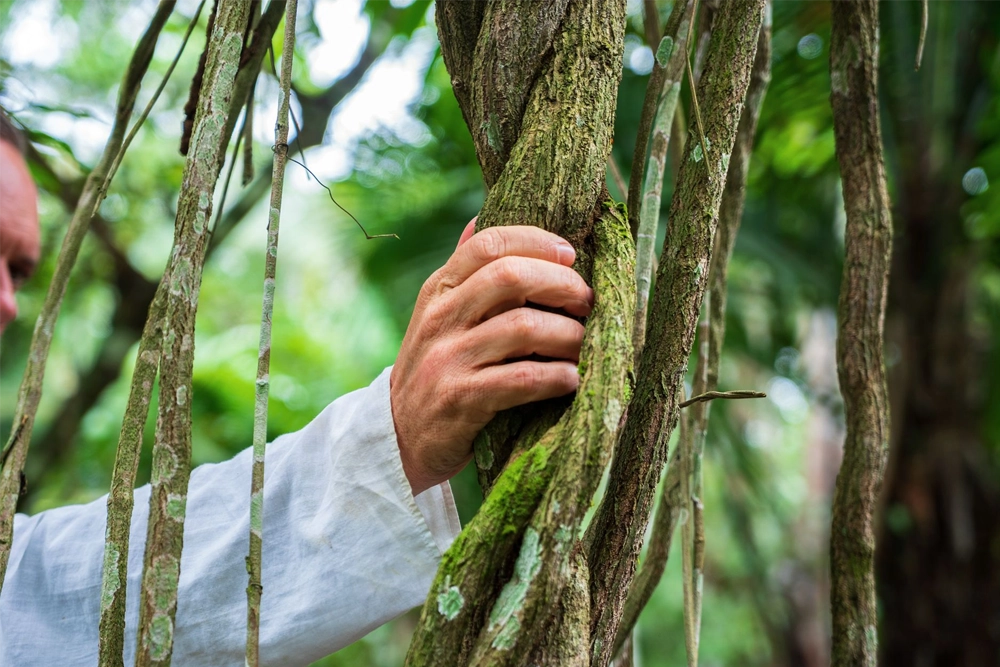
Ayahuasca is a traditional Amazonian preparation. The brew typically combines the Banisteriopsis caapi vine with the leaves of Psychotria viridis, known locally as chacruna. The leaves contain DMT, and the vine contains compounds that make it active when swallowed. That chemistry explains the medication warnings you will see later in this guide.
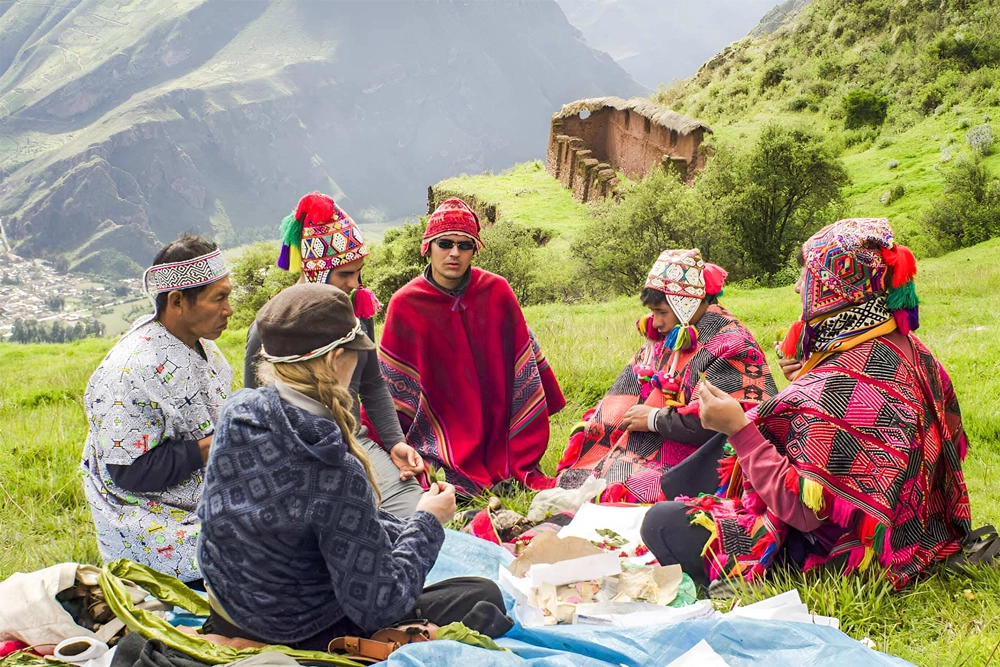
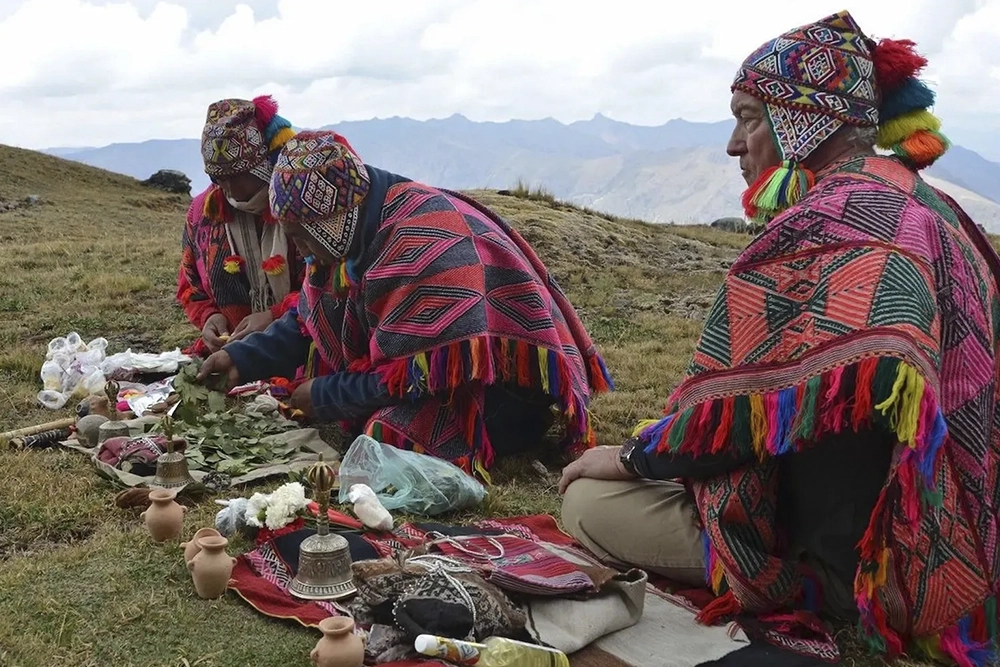
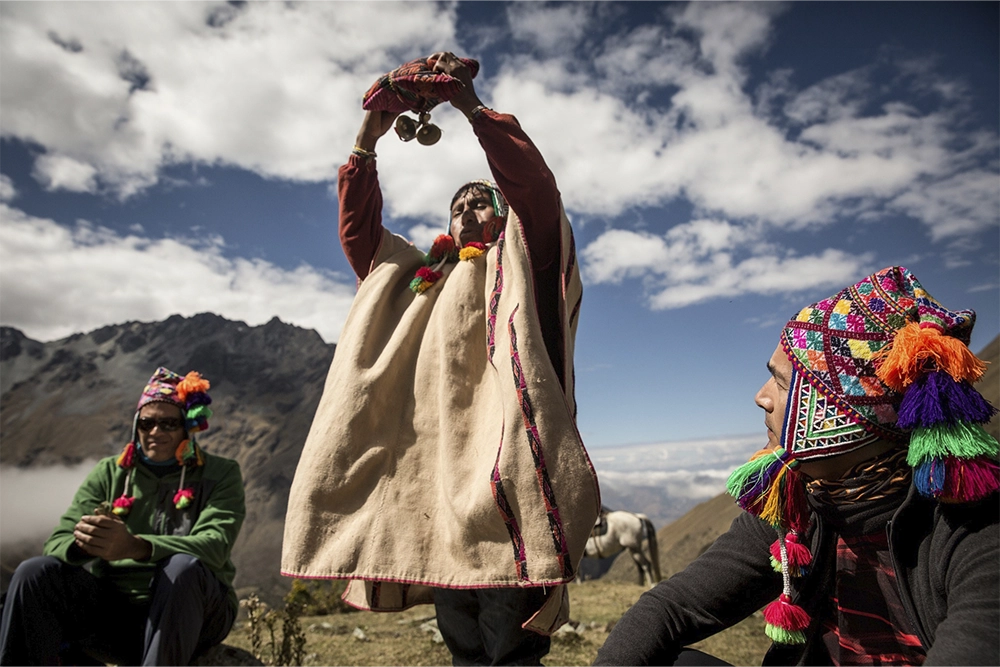
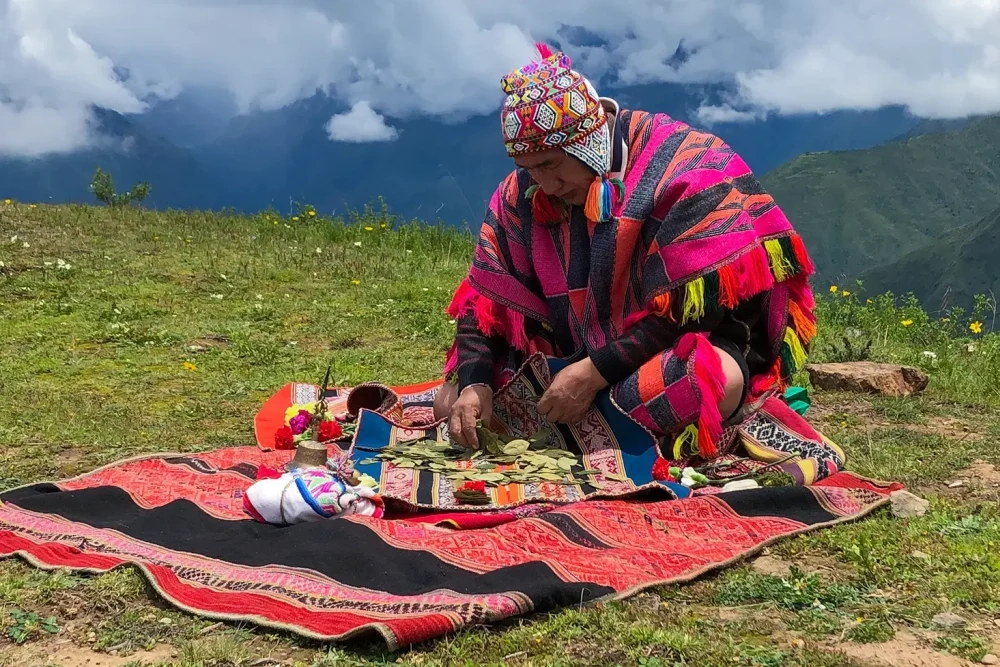
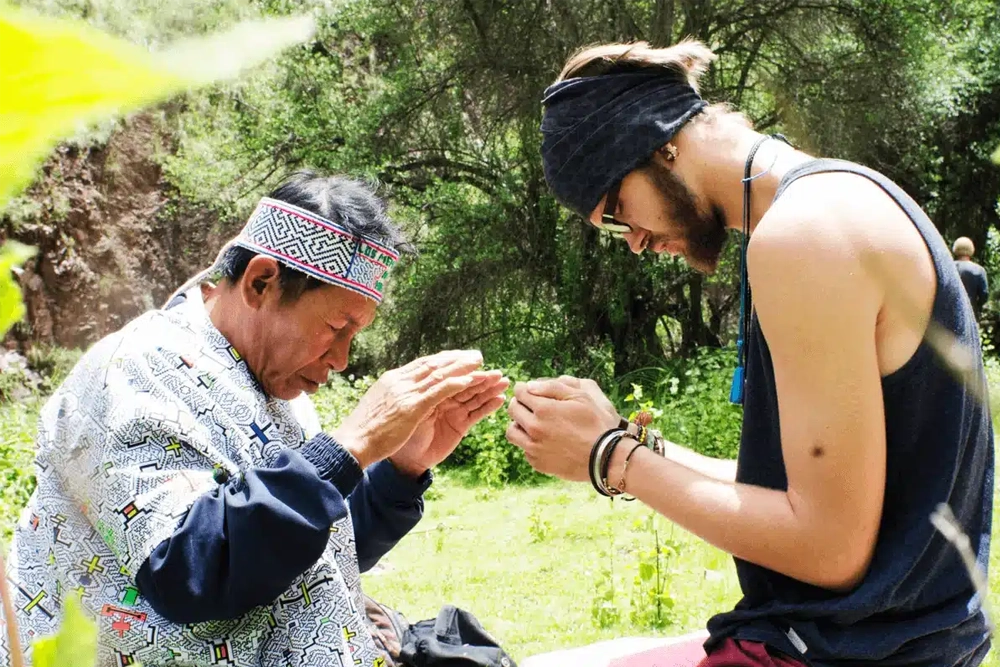
Traditions that hold ayahuasca ceremonies include several Amazonian peoples. At Peru Alive Tours, the ayahuasca ceremony is led by a Kuraq Hampiq, an Amazonian healer of the Machiguenga tradition from the Machiguenga native community. Kuraq Hampiq is a local title for masters of higher hierarchy. Ayahuasca is Amazonian, not Andean, and a retreat that blurs the two is showing you how much it knows.
Historical Background
Amazonian peoples have used ayahuasca for healing and community life for generations, long before foreign travelers arrived. Over the past decade, international interest has grown quickly, and so has the number of operators who advertise ceremonies without any traditional training. Interest outran oversight.
Think of it like a mountain guide card. The card does not make a person a good guide, but its absence tells you something. In the same way, the absence of a named, accountable ceremony leader tells you how a retreat handles every other detail.
Why It Matters Today
Currently, most ayahuasca retreats in Peru reach travelers through websites and social media, not through families or communities. That shift moves the burden of verification onto you. Nobody vouches for the facilitator except the facilitator.
The non-obvious point most guides miss: a tourism credential and a ceremonial lineage are two separate things. Wilbert Yucra Choqqucunsa, founder and guide at Peru Alive Tours, holds official guide card No. 627, issued by DIRCETUR Cusco. That card verifies tourist guiding. It does not certify a ceremony leader, and you should never accept one as proof of the other.
The Sacred Valley and Cusco Context
Most international travelers combine plant medicine with time in Cusco, Urubamba, and the Sacred Valley, near Machu Picchu, Ollantaytambo, and the Urubamba River. Altitude matters here. Cusco sits at roughly 3,400 meters, and soroche, or altitude sickness, can arrive before any ceremony begins. A sensible schedule leaves time to acclimatize first.
Peru Alive Tours operates from its main office at Av. Vilcanota N°154 in Urubamba, with branch offices in San Blas, Cusco, and on Av. La Convención in Urubamba. A physical address you can visit, plus a phone number that a person answers, is the first filter this guide recommends.
Key fact: Ayahuasca contains compounds that can interact dangerously with many prescription antidepressants, so clinicians generally advise a medical review and a medication-free interval before any ceremony. Peru Alive Tours does not provide medical advice. Consult your own doctor first.
Want to explore how this applies to your specific travel plans? Check the FAQ section or ask Peru Alive Tours on WhatsApp.
2. Benefits of Choosing a Responsible Ayahuasca Retreat
Quick answer: A responsible ayahuasca retreat lowers medical risk, protects your money, respects Amazonian culture, and gives you aftercare for integration. Choosing a safe ayahuasca retreat in Peru also reduces the chance of abuse, medication accidents, and disappointment after a long and expensive trip.
The benefits of careful selection are practical, not mystical. You are protecting your health, your budget, and the community whose tradition you are visiting. Each benefit below carries a different kind of value.
Benefit 1: Lower Medical Risk
Medical screening identifies conditions and medications that make ceremonies unsafe for you. Travel safety experts agree that screening is the single most effective protection, because most serious incidents involve an undisclosed medication or health history. A retreat that screens you may also refuse you. That refusal protects you.
Benefit 2: A Clear Emergency Plan
Responsible operators know the nearest clinic, the route to it, and who drives. In the Sacred Valley, Urubamba and Cusco host the closest medical facilities, so distance and transport time are real planning factors. Ask for the plan in writing.
Benefit 3: Cultural Integrity
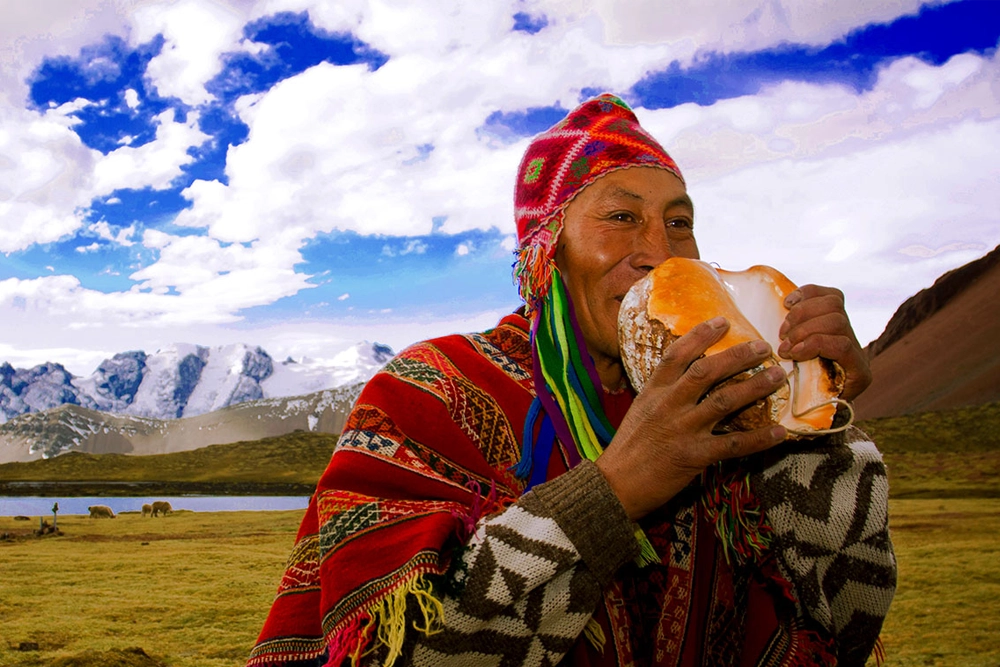
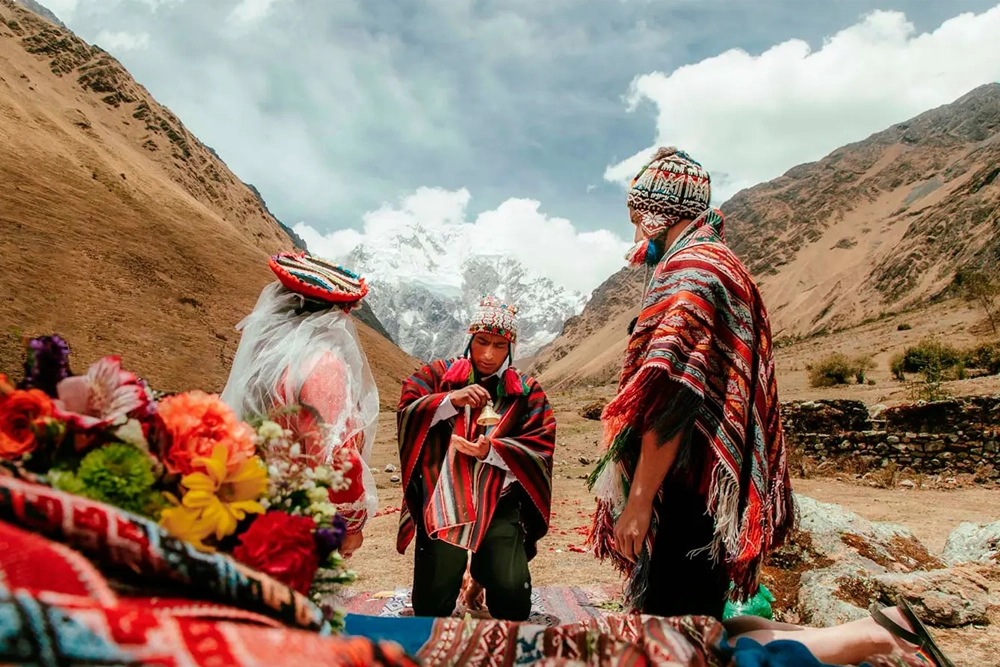
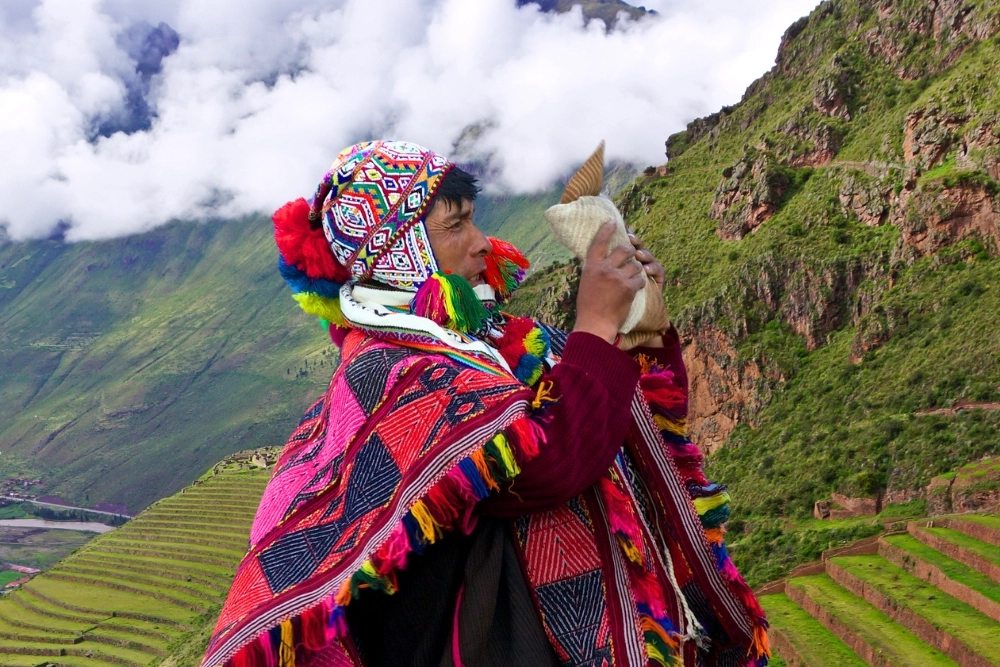
A retreat led by a healer from the tradition honors where ayahuasca comes from. It also supports a living community rather than a costume. At Peru Alive Tours, ceremonies are led by Amazonian healers of the Machiguenga tradition, and other ceremonies are led by Q’ero, Aymara, or Machiguenga masters depending on the type of ceremony.
Benefit 4: Financial Transparency
Clear pricing prevents the surprise charge on day three. Peru Alive Tours states prices in USD per person and always states the group size that applies, because the per-person price drops as the group grows.
Benefit 5: Realistic Expectations
Honest operators do not promise healing, enlightenment, or any outcome. They describe what the process involves, what can feel difficult, and what remains your responsibility. That honesty protects you from disappointment.
Benefit 6: Better Integration
Aftercare turns an intense night into something you can use. Peru Alive Tours works with Mick Stemborski, who holds license BBH-LCPC-LIC-1103 in Montana and is presented by the client as a Licensed Clinical Therapist. Integration support from a licensed professional is rare in this sector and worth asking every operator about.
Benefit 7: Protection From Predatory Behavior
The advanced benefit most travelers overlook is protection from abuse. Ceremonies place participants in a vulnerable state, and reports of misconduct in the wider industry make facilitator ratios, consent norms, and complaint channels essential. Ask who supervises the facilitator.
Verified data: Peru Alive Tours ayahuasca and San Pedro ceremonies include various herbal teas before the ceremony and a light breakfast at dawn. They do not include lunch or dinner on the following day.
Want to maximize these benefits on your trip? Let Peru Alive Tours plan your experience.
3. How to Choose an Ayahuasca Retreat in Peru: Step-by-Step Guide
Quick answer: The 6 steps to choose an ayahuasca retreat in Peru are: 1. verify who leads the ceremony, 2. request medical screening, 3. confirm the safety and emergency plan, 4. compare inclusions and pricing, 5. read policies and reviews, 6. speak with the team before paying.
Step 1: Verify Who Leads the Ceremony
Goal: Confirm that an identifiable, experienced healer, not a tourist-facing intermediary, holds responsibility for your safety.
- Ask for the leader’s full name and tradition
- Ask how long they have led ceremonies
- Ask who assists them during the night
Estimated time: 20 minutes by message or call. Tools: email, WhatsApp, video call.
A vague answer such as “our shaman” with no name is a warning. At Peru Alive Tours, the ayahuasca ceremony is led by a Kuraq Hampiq of the Machiguenga tradition, and we say so before you ask.
Expert tip: Ask which tradition the leader belongs to, then check that the retreat describes ayahuasca as Amazonian. Operators who call it Andean, or who borrow a lineage name they cannot explain, usually lack real ties to the practice.
Step 2: Request Medical Screening
Goal: Make sure nobody accepts your deposit before reviewing your health and medication history.
- Expect a written health questionnaire
- Disclose every medication and supplement
- Share psychiatric and cardiac history honestly
Estimated time: 30 minutes, plus a doctor visit if you take medication. Tools: intake form, your own physician.
Clinicians commonly flag antidepressants, certain heart and blood pressure conditions, pregnancy, and a personal or family history of psychosis or bipolar disorder as reasons for caution. Peru Alive Tours does not provide medical advice, so discuss your history with your doctor before you travel.
Expert tip: Stopping a prescribed medication on your own can cause harm. Only your prescribing doctor should decide whether and how to adjust it, and the timeline can be long.
Step 3: Confirm the Safety and Emergency Plan
Goal: Learn exactly what happens if something goes wrong at night.
- Ask for the nearest clinic and travel time
- Ask how many sober facilitators attend
- Ask about a transport vehicle on standby
Estimated time: 15 minutes. Tools: written safety protocol.
The ratio of sober facilitators to participants matters more than the beauty of the venue. A single person responsible for a large group cannot respond to two emergencies at once.
Step 4: Compare Inclusions and Pricing
Goal: Understand what you are paying for and what you will pay extra for.
- List meals, lodging, transport, and aftercare
- Check the group size behind each price
- Ask about extra fees in writing
Estimated time: 25 minutes. Tools: a simple comparison sheet.
At Peru Alive Tours, all prices are in USD per person, each service requires a minimum of two or three participants, and the per-person price is lower for larger groups. Compare retreats on the same group size, or the numbers mean nothing.
Common mistake: Booking the cheapest retreat without comparing inclusions. A low price often hides missing screening, no aftercare, and an unsafe facilitator ratio. Solution: build a one-page comparison and score each retreat on safety first, price last.
Step 5: Read Policies and Reviews
Goal: Judge how the operator behaves when something changes.
- Read the cancellation and refund policy
- Look for reviews on independent platforms
- Check the operator’s social channels
Estimated time: 40 minutes. Tools: review sites, social profiles.
The Peru Alive Tours policy states that with 30 days or fewer before the start date there is no refund. Whatever the policy says, you should understand it before you pay. Peru Alive Tours also keeps public channels on Facebook, Instagram, and YouTube where you can see the team and recent activity.
Step 6: Speak With the Team Before Paying
Goal: Test whether the operator answers difficult questions honestly.
- Ask for a call, not only messages
- Bring your written question list
- Notice whether they say no when appropriate
Estimated time: 30 minutes. Tools: phone or video call.
A responsible operator sometimes tells a traveler that a ceremony is not suitable. If a retreat accepts every applicant, it is not screening.
Need help choosing the right tour for your trip?
Do not waste time on trial and error. Peru Alive Tours designs personalized experiences.
Contact Peru Alive Tours on WhatsApp
We guide you step by step with a personalized plan · Offices in Urubamba and Cusco
4. Key Factors to Evaluate in an Ayahuasca Retreat Safety Checklist
Quick answer: Evaluate seven factors: ceremony leadership, medical screening, facilitator ratio, emergency plan, pricing transparency, cancellation policy, and integration support. A safe ayahuasca retreat in Peru answers each factor in writing, names the people responsible, and welcomes follow-up questions without pressure.
| Key Factor | Importance | How to Evaluate | Expected Impact |
|---|---|---|---|
| Ceremony leadership | Critical | Ask for the leader’s name, tradition, and years of practice | Accountable person responsible for your safety |
| Medical screening | Critical | Request the written health form before any deposit | Fewer medication interactions and unsuitable participants |
| Facilitator ratio | High | Ask how many sober assistants attend per participant | Faster response if someone needs help |
| Emergency plan | Critical | Request clinic name, travel time, and transport arrangement | Clear action steps during a night emergency |
| Pricing transparency | High | Get inclusions, group size, and extra fees in writing | No surprise charges after arrival |
| Cancellation policy | Medium | Read refund terms and deadlines before paying | Known financial risk if plans change |
| Integration support | Medium | Ask who offers follow-up and what credentials they hold | Support to process the experience afterward |
5. Traveler Scenarios: Three Common Situations
Quick answer: These three illustrative scenarios show how travelers apply a responsible ayahuasca retreat checklist in Peru: a solo traveler on medication, a couple comparing prices, and a first-timer worried about safety. They are composite examples, not individual testimonials.
The scenarios below are illustrative composites built from questions travelers commonly ask Sacred Valley operators. They are not reviews, and they contain no invented statistics. Real reviews belong on independent platforms and on the operator’s public channels.
Scenario 1: The Solo Traveler Taking Medication
Context: A solo traveler books flights to Cusco and then discovers the retreat never asked about medication.
Challenge: Many antidepressants interact with the brew, and the traveler does not know whether the retreat will screen.
Solution: The traveler pauses the booking, consults a physician, and chooses an operator that requires a written health form.
Outcomes:
- Medication reviewed before any payment
- Booking delayed until a doctor responded
- Operator confirmed it may decline participants
Key lesson: A retreat willing to turn you away is protecting you, not losing a sale.
Scenario 2: The Couple Comparing Prices
Context: A couple compares three retreats with very different prices and cannot tell why.
Challenge: One price is per person, another is per room, and a third excludes meals and transport.
Solution: They build a sheet with the same group size, the same inclusions, and written confirmation of extras.
Outcomes:
- Prices compared on identical terms
- Hidden costs surfaced before booking
- Cancellation policies read side by side
Key lesson: Group size changes the per-person price, so compare retreats only at the same group size.
Scenario 3: The First-Timer Worried About Safety
Context: A first-time traveler feels drawn to the tradition but fears something will go wrong at night.
Challenge: The traveler cannot tell a serious operator from a polished website.
Solution: The traveler requests a call, asks the question list in this guide, and listens for specific answers.
Outcomes:
- Leader name and tradition stated clearly
- Emergency plan explained step by step
- Aftercare contact identified before arrival
Key lesson: Specific, unhurried answers are the strongest trust signal you can collect remotely.
Common mistakes observed:
- Booking before screening. Solution: require the health form first.
- Trusting photos over answers. Solution: ask for a call.
- Ignoring altitude. Solution: acclimatize in Cusco or Urubamba first.
- Comparing unequal group sizes. Solution: fix one group size.
- Skipping the refund terms. Solution: read them before paying.
Want a similar experience? Discover how Peru Alive Tours can help you.
6. Best Practices and Mistakes to Avoid When Choosing an Ayahuasca Retreat
Quick answer: Do disclose your full health history, ask for names and protocols in writing, and plan integration time. Do not book on price alone, hide medication, or accept pressure to decide quickly. These habits keep a responsible ayahuasca retreat in Peru safe and meaningful.
What You SHOULD Do
- Disclose everything. List every medication, supplement, and diagnosis, including past ones. Screening only works with complete information.
- Consult your own doctor. A physician who knows your history can judge risk better than any retreat. Ask before you buy flights.
- Arrive early. Spend several days in Cusco or Urubamba before the ceremony. Your body adjusts to altitude, and you meet the team.
- Request names. Ask for the leader, assistants, and aftercare contact by name. Anonymous operations offer no accountability.
- Read the preparation guidance. Responsible retreats explain dietary and behavioral preparation. Follow it closely.
- Clarify what the price covers. Meals, lodging, and transport vary widely. At Peru Alive Tours, ceremonies include herbal teas beforehand and a light breakfast at dawn.
- Plan quiet days afterward. Avoid scheduling flights or demanding hikes the next morning. Rest supports integration.
- Understand your home country rules. Peru Alive does not provide legal advice. Rules on traditional plant medicines differ from country to country, so check regulations at home, including what you may carry or bring back, and consult a legal adviser if needed.
What You Should NOT Do
- Do not choose by price alone. Low prices often mean no screening or large groups. Compare safety first.
- Do not hide medication. Concealment removes the one protection designed for you. Disclose it to the operator and your doctor.
- Do not accept pressure. Phrases such as “only two spots left” should make you slow down. Take the time to verify.
- Do not combine substances. Mixing the brew with other drugs or alcohol multiplies risk. Follow the preparation guidance.
- Do not treat it as entertainment. Filming ceremonies or posting during them disrespects participants and the tradition. Ask the leader about norms.
- Do not skip travel insurance. Policies vary in what they cover, so read the terms for health and evacuation and ask the insurer directly.
Advanced strategy (Level 3): Ask the retreat what it does when a participant declines to drink on the night. A respectful operator treats that choice as normal and keeps you welcome in the circle. This one answer reveals whether consent is real or a formality.
Quick Checklist
- Leader named, with tradition and experience
- Written medical screening completed
- Emergency plan and clinic route confirmed
- Price, inclusions, and group size in writing
- Refund policy read and understood
Want expert guidance for your Sacred Valley itinerary? Request a free review from Peru Alive Tours.
7. Current Trends in Plant Medicine Travel
Quick answer: Current trends in ayahuasca travel point toward stricter screening, smaller groups, licensed integration support, and more public scrutiny of operators. Travelers increasingly ask for credentials and written protocols, which pushes Peru retreats toward greater transparency.
Innovations in Adventure and Spiritual Tourism
Currently, travelers combine spiritual programs with cultural and physical experiences in Cusco, Ollantaytambo, and the Sacred Valley. Multi-day programs that bundle ceremonies, visits to sacred sites, and quiet time reflect that demand. The better programs treat the ceremony as one part of a longer arc, not a stand-alone event.
Sustainable tourism has also moved from slogan to selection criterion. UNESCO World Heritage designations around Machu Picchu keep conservation in the conversation, and the UN World Tourism Organization publishes guidance on responsible travel that informs how thoughtful operators describe their work. Operators that benefit local communities directly, rather than extracting from them, now stand out.
Market Evolution in Cusco and the Sacred Valley
Recent analyses of the Sacred Valley market indicate rising competition among operators and rising traveler skepticism toward generic promotion. Travelers read reviews on several platforms, compare operators, and ask pointed questions before booking. Peru Alive Tours has adapted by publishing named credentials, stating prices per person with group size, and publishing its cancellation policy.
Transparency now works as a competitive advantage. Travelers who once chose by photographs now choose by documentation. That change favors operators with real offices, real people, and written protocols.
Short- and Medium-Term Outlook
- Screening forms will become standard, because travelers expect them.
- Smaller ceremony groups will gain preference over large gatherings.
- Travelers will request licensed integration support before arrival.
- Public scrutiny of operators will increase through reviews and social media.
- Credentials will be questioned more precisely: travelers will ask whether a certificate proves guiding, ceremonial training, or neither.
Strategic advice: Treat any operator that resists written answers as a signal to keep searching. Written answers cost a serious retreat nothing.
Expected Impact in Cusco and the Sacred Valley
Careful travelers reward careful operators. As expectations rise, Sacred Valley retreats that document leadership, screening, and aftercare will attract more bookings, while vague operators will lose them. Official bodies, including the Peruvian Ministry of Foreign Trade and Tourism (MINCETUR), set the framework for tourism services, and travelers can check what tourism registrations mean before they book.
Ready to experience the latest in Sacred Valley tourism? Let Peru Alive Tours design your trip.
Frequently Asked Questions About Choosing an Ayahuasca Retreat in Peru
Peru Alive Tours compiled the most common questions about choosing a responsible ayahuasca retreat in the Sacred Valley and Cusco:
What is a responsible ayahuasca retreat?
Short answer: It is a program with a named healer, medical screening, safety protocols, and aftercare.
The difference shows before the ceremony. Responsible retreats ask about your health, explain the process, and welcome questions. They also describe the tradition accurately: ayahuasca is Amazonian, and the leader should be able to tell you where their training comes from.
What are the red flags of an unsafe ayahuasca retreat?
Short answer: No screening, an unnamed leader, pressure to book fast, and no emergency plan.
Also watch for guaranteed outcomes, refusal to answer by phone, and prices far below comparable retreats. Any single red flag deserves a direct question. Several together mean you should look elsewhere.
What questions should I ask an ayahuasca retreat before booking?
Short answer: Ask who leads the ceremony, how they screen participants, and what the emergency plan is.
Add questions about group size, facilitator ratio, what the price includes, the cancellation policy, and integration support. Ask for answers in writing so you can compare retreats later.
Who leads the ayahuasca ceremony at Peru Alive Tours?
Short answer: A Kuraq Hampiq, an Amazonian healer of the Machiguenga tradition.
The healer comes from the Machiguenga native community. Kuraq Hampiq is a local title for masters of higher hierarchy. Other ceremonies are led by a Q’ero master, an Aymara master, or a Machiguenga healer, depending on the ceremony type.
How do I know a retreat screens participants medically?
Short answer: They send a written health form before you pay and may decline you.
A retreat that only asks for a deposit is not screening. Expect questions about medications, supplements, and your physical and mental health history, and expect follow-up if your answers raise concerns.
Who should not take ayahuasca?
Short answer: People on certain medications or with specific health histories should not, unless a doctor advises otherwise.
Clinicians commonly urge caution for antidepressant users, some cardiac patients, pregnant women, and anyone with a personal or family history of psychosis. Peru Alive Tours does not provide medical advice, so consult your own doctor before you book.
How do I prepare for an ayahuasca ceremony?
Short answer: Follow the retreat’s written guidance, review medications with your doctor, and arrive rested.
Preparation typically involves dietary adjustments and avoiding other substances. Give yourself time at altitude in Cusco or Urubamba first, so soroche does not overlap with the ceremony.
Why does the leader’s tradition matter?
Short answer: It shows whether the leader holds real training and accountability to a community.
Ayahuasca belongs to Amazonian peoples. A leader rooted in that tradition carries responsibility to it. Vague claims, borrowed names, or a mix of Andean and Amazonian terms suggest a surface-level operation.
Is a guide license enough to trust a retreat?
Short answer: No. A guide license verifies tourist guiding, not ceremonial training.
The founder of Peru Alive Tours, Wilbert Yucra Choqqucunsa, holds official guide card No. 627 from DIRCETUR Cusco, and that card covers guiding. Ceremonial authority comes from the healer’s tradition, so ask about both separately.
How much does an ayahuasca retreat in Peru cost?
Short answer: Prices vary widely, so compare inclusions and group size, not only the number.
Peru Alive Tours states every price in USD per person and always states the group size, because per-person prices fall as groups grow. Message the team for the current price of the ceremony you want. [TO BE CONFIRMED BY CLIENT: ceremony price]
What is included in an ayahuasca ceremony at Peru Alive Tours?
Short answer: Various herbal teas before the ceremony and a light breakfast at dawn.
Lunch and dinner on the following day are not included. Ask about lodging and transport separately so you can plan the rest of your day.
Is ayahuasca legal in Peru and in my home country?
Short answer: Peru Alive does not provide legal advice, so check the rules yourself.
Rules on traditional plant medicines differ from country to country. Check the regulations of your home country, including what you may carry or bring back, and consult your own doctor and, if needed, a legal adviser before you travel.
What is the refund policy if I cancel an ayahuasca retreat?
Short answer: At Peru Alive Tours, no refund applies with 30 days or fewer before the start date.
Policies differ between operators. Read the terms before you pay, and consider travel insurance that fits your plans. Ask the retreat to confirm the policy by email.
Which is better: a retreat in the Sacred Valley or in the Amazon?
Short answer: Neither wins by location alone; leadership, screening, and safety decide quality.
Amazon retreats sit closer to the plant’s origin, while Sacred Valley retreats combine easily with Cusco, Ollantaytambo, and altitude acclimatization. Evaluate each retreat on the checklist in this guide instead of the map.
Do not see your question here?
The Peru Alive Tours team is ready to answer your specific questions.
Message Peru Alive Tours on WhatsApp
No commitment · Confidential · Offices in Urubamba and Cusco
Common Voice Search Queries
Hey Google, how do I find a safe ayahuasca retreat in Peru?
Quick answer: Look for a retreat that names its healer, screens you medically before you pay, and gives you a written emergency plan. Call the operator, ask questions, and walk away from anyone who rushes you or skips health questions.
Start with a phone call instead of a message thread. Voices reveal more than websites do. Prepare five questions in advance, and write down every answer so you can compare operators the same evening.
What questions should I ask before booking an ayahuasca ceremony?
Quick answer: Ask who leads the ceremony, what screening you must complete, how many facilitators stay sober, where the nearest clinic is, what the price includes, and what the refund policy says. Request all answers in writing before you pay.
Keep the list on your phone. If the operator answers some questions and dodges others, note which ones. The dodged questions usually matter most.
Can I do an ayahuasca ceremony near Cusco?
Quick answer: Yes, several operators offer ayahuasca ceremonies near Cusco and in the Sacred Valley. Peru Alive Tours organizes them from Urubamba and Cusco, led by a Kuraq Hampiq of the Machiguenga tradition, after medical screening and a safety briefing.
Because Cusco sits at high altitude, plan a few days of acclimatization first. Your body will handle the ceremony better when it is not also adapting to thin air.
Is it safe to take ayahuasca if I take antidepressants?
Quick answer: Not without medical guidance. Ayahuasca can interact dangerously with many antidepressants, so clinicians advise speaking with your prescribing doctor first. Never stop a prescription on your own. Peru Alive Tours does not provide medical advice.
Tell the retreat about your medication at the first contact. A responsible operator will take the information seriously and may decline to host you.
What does a reputable ayahuasca retreat include?
Quick answer: A reputable retreat includes medical screening, a named ceremony leader, assistants, a safety plan, clear pricing, and integration support. At Peru Alive Tours, ceremonies include herbal teas beforehand and a light breakfast at dawn.
Compare inclusions line by line. Lodging, transport, and aftercare differ between operators, and those differences explain most price gaps.
Conclusion: Your Next Step
You now hold a method for how to choose an ayahuasca retreat in Peru: verify the leader, demand screening, confirm the emergency plan, and compare transparent prices. Those four checks filter out most unsafe operators before you spend a dollar. The Machiguenga tradition behind Peru Alive Tours’ ceremonies, and the Sacred Valley setting around Urubamba and Cusco, reward travelers who arrive prepared.
A good retreat works like a good guide on a high pass: it tells you honestly where the danger is, and it stays beside you through it. Respect for Amazonian culture and for your own health belong in the same decision. Peru Alive Tours invites you to test us with every question in this guide.
Write down your questions, send them to the team, and judge us by the quality of our answers. Share your medication list and travel dates, and we will tell you plainly whether a ceremony fits your situation.
Recommended action for today: Write your five safety questions and send them.
The safest way to choose a responsible ayahuasca retreat is to treat the selection process as part of the experience itself. Peru Alive Tours answers safety questions in writing before any payment, and a retreat that does the same has already passed the first test.
Ready to Take the Next Step?
Peru Alive Tours operates from offices in Urubamba and San Blas, Cusco, with a team of local Sacred Valley specialists ready to design your experience. Reach out today and receive a personalized itinerary tailored to your interests and schedule.
Start Your Sacred Valley Journey with Peru Alive Tours
Our local team will help you plan the right experience from Cusco or Urubamba.
Chat with Peru Alive Tours on WhatsApp
No commitment · Confidential · We explain everything before you decide
+51 999 878 807 · info@perualive.com · www.perualive.com