Executive Summary
Quick answer: Responsible ayahuasca tourism means joining an ayahuasca ceremony in Peru only when a legitimate Amazonian lineage holder leads it, health screening comes first, and the host community benefits fairly. Peru Alive Tours holds its ayahuasca ceremony under a Kuraq Hampiq, an Amazonian healer of the Machiguenga tradition.
Key takeaways:
- Ayahuasca is Amazonian, so insist on an Amazonian lineage holder.
- Settle medication and heart questions with your doctor before booking.
- Ask where the plants come from and who benefits.
- Fair compensation protects Indigenous communities and the vine itself.
- Allow time for altitude adjustment and integration around Cusco.
Article data:
- Read time: 28 minutes
- Level: Intermediate
- Prepared by Peru Alive Tours, Sacred Valley specialists
- Based on 3 authoritative public sources and operator experience
Every ayahuasca booking affects real people and living plants. Responsible ayahuasca tourism in Peru: cultural respect, ethics and sustainability is the framework that keeps that effect positive. Search results mix genuine Amazonian healers with self-declared shamans, and a polished website reveals almost nothing about who will actually serve the brew. Many travelers reach Cusco with sincere intentions but no information about lineage, medical risk, or plant sourcing.
This guide gives you a clear method. You will learn how to verify who leads a ceremony, which health questions to settle with your doctor first, how ayahuasca overharvesting threatens the vine, and how to plan around altitude in the Sacred Valley. According to tourism-ethics frameworks such as the Global Code of Ethics for Tourism, host communities hold the right to protect their cultural heritage. Responsible ayahuasca tourism applies that principle to a sacred Amazonian tradition.
Take your time with each section of this responsible ayahuasca tourism guide. Each one works on its own, so you can jump to the question that matters most to you. Then ask Peru Alive Tours about anything that remains unclear.
Table of Contents
- What Is Responsible Ayahuasca Tourism? Definition and Context
- Real Benefits of Ethical Ayahuasca Travel
- Step-by-Step Guide to Choosing a Responsible Ceremony
- Key Factors to Evaluate
- Traveler Scenarios in Cusco and the Sacred Valley
- Best Practices and Mistakes to Avoid
- Current Trends in Ayahuasca Tourism
- Frequently Asked Questions
- Common Voice Search Queries
- Conclusion and Next Steps
1. What Is Responsible Ayahuasca Tourism? Definition and Context
Quick answer: Responsible ayahuasca tourism is travel to take part in an ayahuasca ceremony under conditions that respect the Amazonian lineage holding the knowledge, protect participant health, conserve the plants involved, and return fair benefit to host communities. Responsible ayahuasca tourism differs from commercial ceremony tourism by prioritizing accountability over convenience.
Ethical ayahuasca travel is a type of cultural and plant-medicine travel for visitors who want to join an Amazonian healing tradition without damaging it. It differs from general wellness tourism by placing the lineage, the plants, and the host community above the traveler’s schedule. It includes four commitments: legitimate ceremony leadership, medical safety, ecological care, and fair compensation. Responsible ayahuasca tourism suits travelers who want accountability, not only an experience.
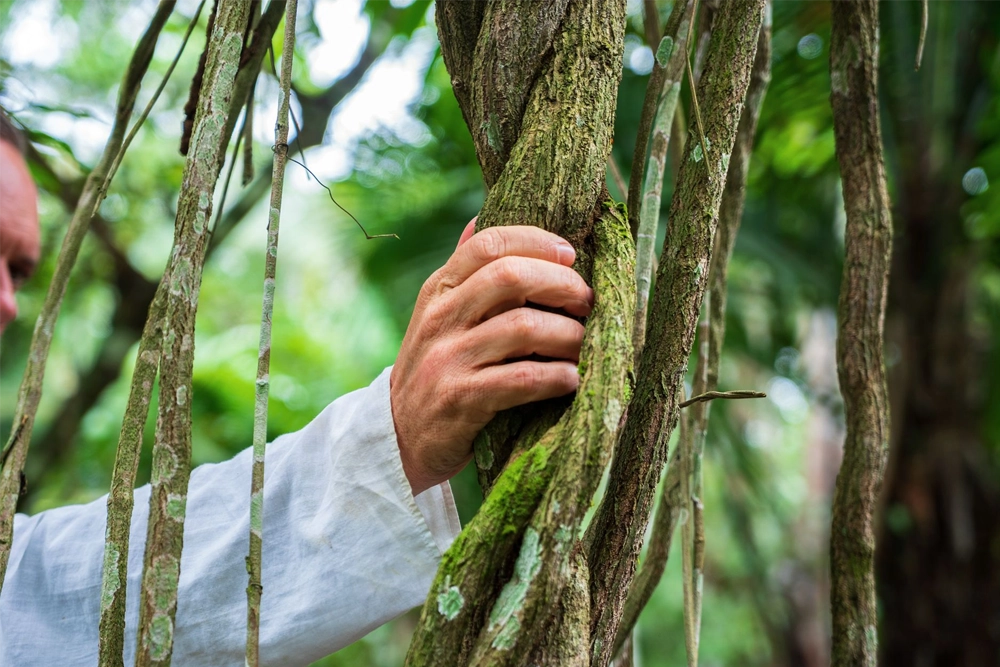
Ayahuasca is a brew made from the Banisteriopsis caapi vine, usually combined with chacruna leaves (Psychotria viridis) or a similar plant. The word comes from Quechua and is commonly translated as vine of the spirits or vine of the souls. Indigenous peoples of the western Amazon basin have prepared it for generations. Each lineage keeps its own songs, rules, and diet, so no single ceremony style represents them all.
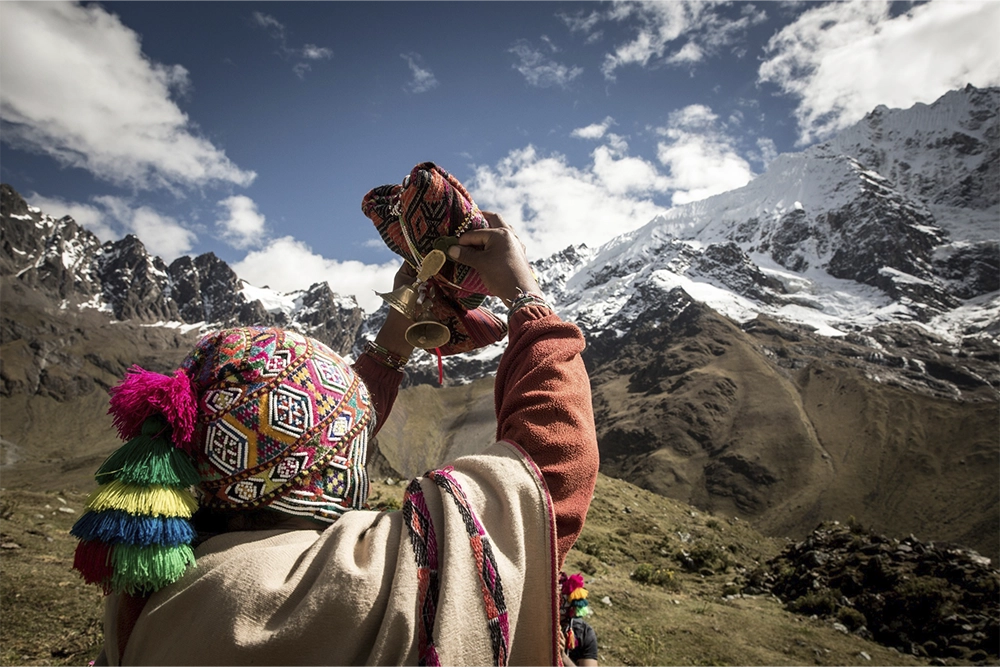
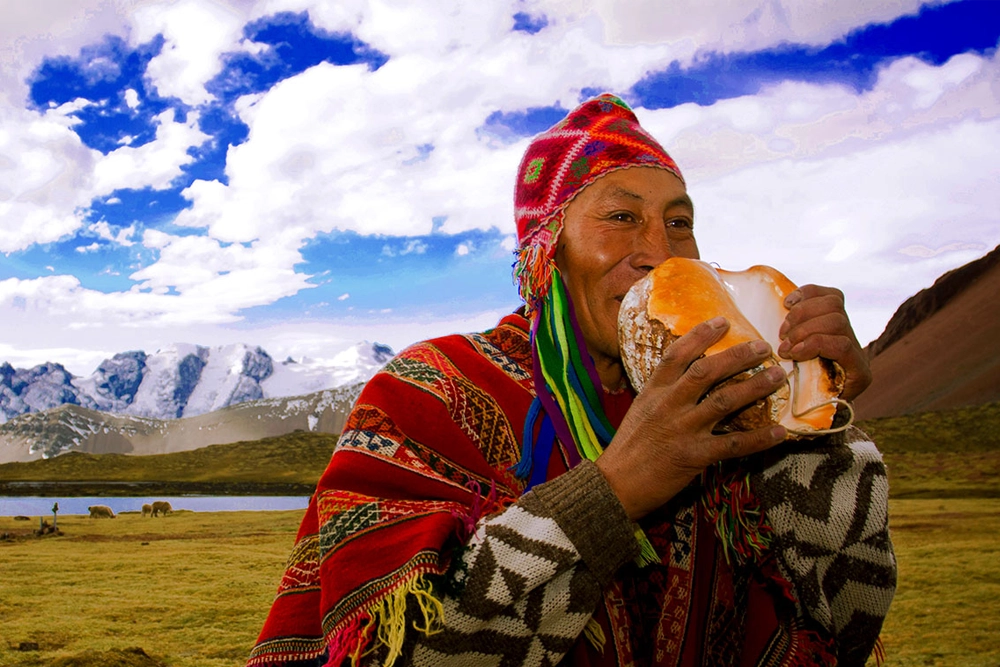
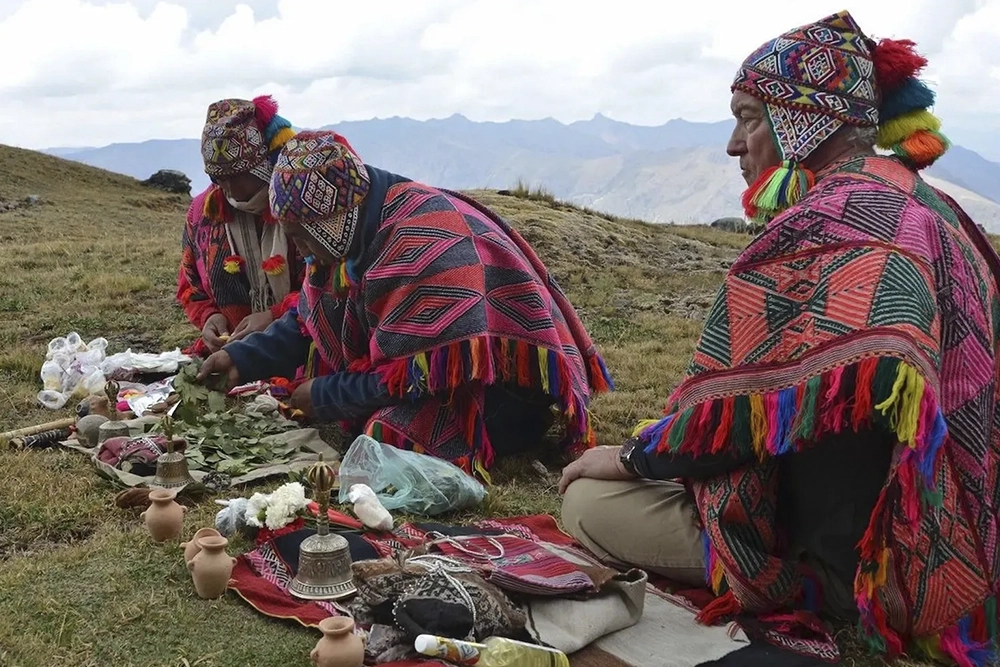
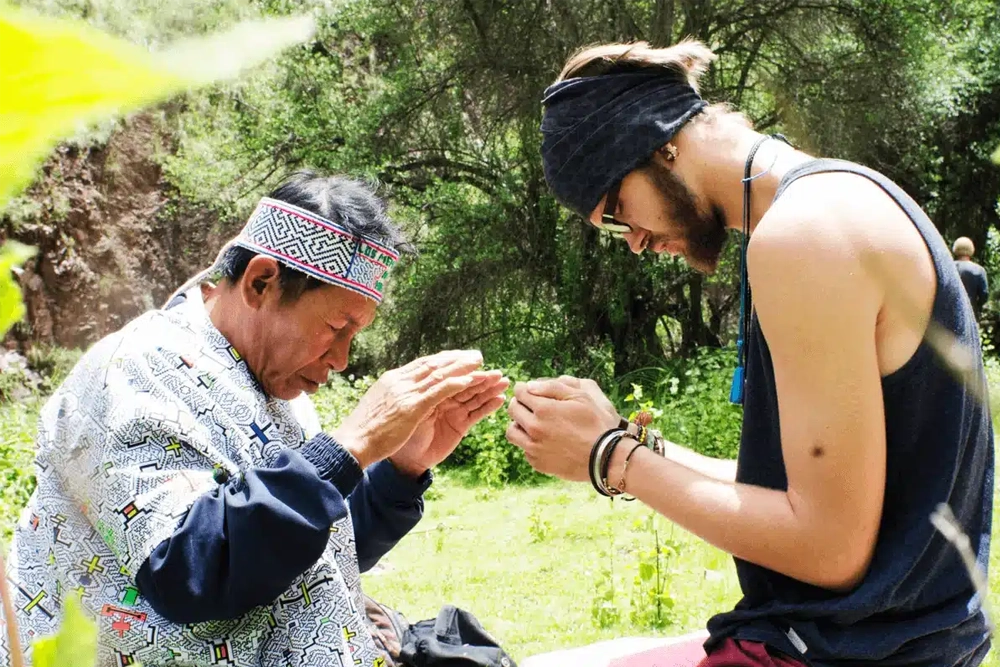
Peru Alive Tours describes ayahuasca as an Amazonian tradition and never as an Andean one. Its ayahuasca ceremony is led by a Kuraq Hampiq, an Amazonian healer of the Machiguenga tradition from the Machiguenga native community. Kuraq Hampiq is a local title for masters of higher hierarchy. Other Peru Alive ceremonies are led by a Q’ero master, an Aymara master, or a Machiguenga healer, depending on the ceremony type.
Amazonian Origin and Recent History
Ayahuasca is an Amazonian tradition practiced by Indigenous peoples of the western Amazon basin, and its use long predates modern tourism. In recent decades, international interest turned many ceremonies into a market. Peru’s cultural authorities have recognized ayahuasca traditional knowledge as part of the national cultural heritage, which signals that the practice belongs to living communities rather than to the travel industry.
A ceremony removed from its home region works like a translated poem. It can carry meaning across languages, but only if the translator understands both. Cusco and the Sacred Valley host many Andean rituals, and responsible ayahuasca tourism there needs extra care. An Amazonian ceremony in this region needs a lineage holder who keeps the tradition intact.
Why Responsible Ayahuasca Tourism Matters Today
Ayahuasca cultural appropriation occurs when outsiders borrow Indigenous ceremonial forms, titles, or symbols without permission, accountability, or benefit to the source community. Common signs include invented lineages, costume-style regalia, and leaders who cannot name their teachers. These practices harm Indigenous communities and mislead travelers who trust the label.
Most visitors ask whether a ceremony is safe. The sharper question asks who answers when something goes wrong. A named, locally rooted leader and a transparent operator create that accountability. Anonymous retreats do not. Andean cosmovision, built around Pachamama (Mother Earth), also differs from Amazonian plant traditions. Offerings and coca leaf readings carry their own protocols, and mixing them carelessly with ayahuasca flattens two distinct heritages.
The Sacred Valley and Cusco Context
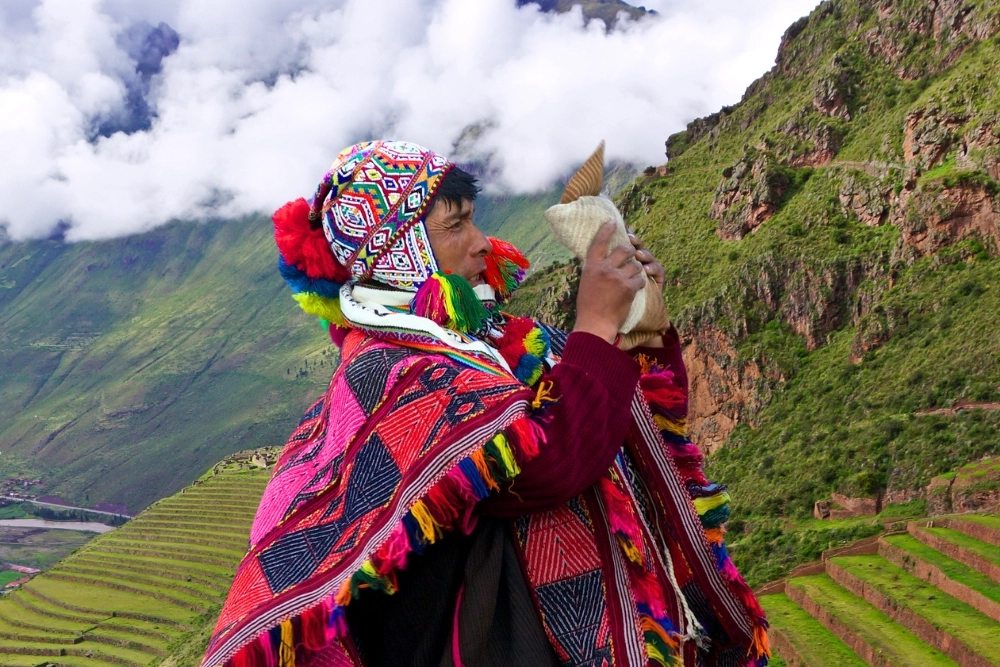
Cusco sits at roughly 3,400 meters above sea level, while Urubamba lies lower, at around 2,900 meters in the Sacred Valley (Valle Sagrado). Altitude sickness (soroche) affects many arriving visitors regardless of fitness. Travelers who combine a ceremony with Machu Picchu, Ollantaytambo, Moray, or the Maras salt mines should plan arrival days before any ceremony, because altitude and ceremony stress both tax the body.
Wilbert Yucra Choqqucunsa, founder and guide of Peru Alive Tours, holds official guide card No. 627 issued by DIRCETUR Cusco, the regional tourism authority. Peru Alive Tours operates from its main office at Av. Vilcanota N°154 in Urubamba, a branch at Calle Carmen Alto N°197 in San Blas, Cusco, and a second Urubamba branch at Av. La Convención N°190. Machu Picchu appears on the UNESCO World Heritage List, and that protected landscape shapes how operators of responsible ayahuasca tourism plan visitor numbers and behavior in the region.
Key fact: Cusco sits at roughly 3,400 meters above sea level, and altitude adjustment is a separate health consideration from any plant-medicine screening.
Important notice: Peru Alive Tours does not provide medical or legal advice. Rules on traditional plant medicines differ from country to country, so check the regulations of your home country, including what you may carry or bring back. Consult your own doctor and, if needed, a legal adviser before you travel.
Want to explore how responsible ayahuasca tourism applies to your travel plans? Check the FAQ section or ask Peru Alive Tours on WhatsApp.
2. Real Benefits of Ethical Ayahuasca Travel
Quick answer: Ethical ayahuasca travel protects participant health, honors Amazonian lineages, supports ayahuasca indigenous communities economically, reduces pressure on wild vines, clarifies expectations, and builds accountability. These benefits compound: a traveler who is screened, informed, and respectful is also easier for a healer to serve well.
The benefits of responsible ayahuasca tourism describe the effects of how you travel, not medical outcomes. Nobody can promise a particular result from a ceremony, and Peru Alive Tours makes no healing claims. What responsible ayahuasca tourism does change is the quality of the conditions around you.
Benefit 1: Safer Participation
Responsible ayahuasca tourism uses screening conversations to catch risks before a ceremony begins. The caapi vine contains compounds that interact with many antidepressants and other medications, and certain heart and mental-health conditions raise the stakes further. A responsible operator asks about all of this first. Imagine a visitor in Urubamba who mentions a daily medication during intake: the early question protects them, while a silent omission could not.
Benefit 2: Respect for Indigenous Knowledge
Responsible ayahuasca tourism keeps authorship with the people who hold the knowledge. When a Kuraq Hampiq of the Machiguenga tradition leads the work, the ceremony carries its own lineage, language, and protocols. Travelers also avoid the discomfort of later learning that a ceremony borrowed its forms from a culture it never consulted.
Benefit 3: Direct Benefit for Host Communities
In responsible ayahuasca tourism, fair compensation reaches the healers and communities who maintain the tradition. Tourism-ethics guidance, including the Global Code of Ethics for Tourism published by UN Tourism (formerly UNWTO), states that tourism should respect host communities and share its benefits with them. Ask any operator how money moves from your booking to the people leading your ceremony.
Benefit 4: Plant Conservation
Rising demand strains the vine. Ayahuasca overharvesting happens when collectors strip wild Banisteriopsis caapi faster than slow-growing plants can regrow. A sustainable ayahuasca tourism model sources plants from cultivated or carefully managed stock and asks hard questions about supply.
Benefit 5: Clear Expectations and Informed Consent
Responsible ayahuasca tourism starts with honest operators who describe what a ceremony involves, including physical intensity and the absence of any guaranteed outcome. You decide with full information, which respects both your autonomy and the healer’s time. Clear expectations also reduce the disappointment that follows marketing promises.
Benefit 6: Better Preparation and Integration
Within responsible ayahuasca tourism, preparation and follow-up shape how a traveler absorbs the experience. Time in the Sacred Valley before the ceremony helps with altitude, and quiet days afterward leave room to reflect. Ethical ayahuasca travel treats the ceremony as one point inside a longer process, not as a stand-alone event.
Benefit 7: A Verifiable Chain of Responsibility
Here is what most people miss: operators committed to responsible ayahuasca tourism leave a trail you can check. They name the person leading the ceremony, publish contact details, and state their policies in writing. That trail lets you verify claims before you pay, and it lets the community hold the operator to its word. Anonymous brands remove exactly this ability.
Verified data: The Global Code of Ethics for Tourism, issued by the World Tourism Organization, calls on tourism activity to respect the cultural heritage and traditions of host communities.
Want to apply these benefits to your trip? Let Peru Alive Tours plan your experience.
3. Step-by-Step Guide to Choosing a Responsible Ceremony
Quick answer: The six steps of choosing a responsible ayahuasca ceremony are: 1. clarify your intention and health baseline, 2. verify who leads the ceremony, 3. consult your doctor, 4. ask about plants and compensation, 5. plan altitude and travel time, 6. arrange follow-up after the ceremony.
Step 1: Clarify Your Intention and Health Baseline
Goal: Know why you want to attend and which health facts an operator must know.
- Write down your reasons in plain language.
- List every medication and supplement you take.
- Note past heart, blood pressure, or mental-health history.
Estimated time: one to two hours. Tools: a notebook and your medication list.
Expert tip: Treat your intention as a question, not a demand. Travelers who ask what they might learn tend to cope better with an unpredictable experience than those who expect a specific outcome.
Step 2: Verify Who Leads the Ceremony
Goal: Confirm that a legitimate lineage holder, not a marketing name, serves the brew in responsible ayahuasca tourism.
- Ask for the leader’s name and community of origin.
- Ask which tradition the ceremony follows.
- Compare the answer with the operator’s website and references.
Estimated time: one to three days of correspondence. Tools: WhatsApp or email, plus the regional tourism authority. Peru’s tourism ministry, MINCETUR, publishes tourism information, and DIRCETUR Cusco issues official guide cards. Peru Alive Tours answers this question directly: a Kuraq Hampiq of the Machiguenga tradition leads its ayahuasca ceremony.
Step 3: Consult Your Doctor
Goal: Obtain professional advice about whether any ayahuasca ceremony suits your health.
- Bring your medication list to the appointment.
- Describe the brew and the ceremony format honestly.
- Follow your doctor’s advice even if it means not attending.
Estimated time: one to four weeks before travel. Tools: your physician and, for mental-health history, your therapist.
Common mistake and solution: Travelers sometimes hide a medication to avoid being turned away. Disclose everything instead, because an undisclosed interaction can become a medical emergency far from a hospital.
Step 4: Ask About Plants and Compensation
Goal: Understand where the plants come from and how the community benefits.
- Ask whether the vine is cultivated or wild-collected.
- Ask how the healer and community receive payment.
- Request written policies on inclusions and cancellation.
Estimated time: about thirty minutes of conversation. Tools: a short written question list. A vague reply shows how an operator treats responsible ayahuasca tourism. Treat it as information, not rudeness.
Step 5: Plan Altitude and Travel Time
Goal: Arrive acclimatized and rested before any ceremony.
- Arrive in Cusco or Urubamba at least two days early.
- Keep the days before the ceremony light.
- Plan your own lunch and dinner the day after.
Estimated time: two to four days of buffer. Tools: a flexible itinerary and travel insurance. The ayahuasca and San Pedro ceremonies at Peru Alive Tours include various herbal teas beforehand and a light breakfast at dawn. They do not include lunch or dinner on the following day, so arrange those yourself.
Expert tip: Sleeping at a lower elevation in the Sacred Valley before the ceremony often feels easier than sleeping in Cusco, which stands several hundred meters higher.
Step 6: Arrange Follow-Up After the Ceremony
Goal: Give yourself time and support to process what happened.
- Keep the following day free of tours.
- Write notes while memories feel fresh.
- Talk with a trusted person or a qualified professional.
Estimated time: several quiet days. Tools: a journal and your support network.
Need help choosing the right ceremony for your trip?
Skip the trial and error. Peru Alive Tours designs personalized experiences around your health, timing, and questions.
Contact Peru Alive Tours on WhatsApp
We explain everything before you decide · Offices in Urubamba & Cusco
4. Key Factors to Evaluate Before You Book
Quick answer: Seven factors separate responsible ayahuasca tourism from risky offers: who leads the ceremony, medical screening, plant sourcing, fair compensation, group size, preparation and integration support, and transparent policies. Evaluate each one with a direct question and a written answer before paying any deposit.
| Key Factor | Importance | How to Evaluate | Expected Impact |
|---|---|---|---|
| Ceremony leader | Defines legitimacy and accountability | Ask for the leader’s name, community, and tradition, then compare with public information | A named lineage holder replaces anonymous marketing |
| Medical screening | Prevents drug interactions and avoidable emergencies | Check whether the operator asks about medication, heart, and mental-health history before booking | Fewer unsafe participants and clearer expectations |
| Plant sourcing | Protects the vine from overharvesting | Ask whether plants are cultivated or wild-collected and who supplies them | Lower pressure on wild stands |
| Fair compensation | Keeps benefit with the source community | Ask how payment reaches the healer and community | Stronger incentive to protect the tradition |
| Group size | Affects attention and safety | Ask how many participants one leader serves and who assists | More individual care during the ceremony |
| Preparation and integration | Shapes how you process the experience | Request the preparation guidelines and the follow-up plan in writing | Better readiness before and clearer reflection after |
| Policy transparency | Reveals how the operator treats you | Read inclusions, pricing, and cancellation terms before booking | No surprises when you pay or need to cancel |
How to Prioritize Based on Your Situation
Your circumstances change how you apply responsible ayahuasca tourism to these factors. A traveler on regular medication should put medical screening first and accept that the answer may be no. A repeat visitor who attended a ceremony elsewhere should weigh the ceremony leader and the lineage most heavily. A traveler with a tight itinerary should check policy transparency early, because cancellation terms bite hardest when plans shift.
Ayahuasca tourism ethics depends on matching the factor to the risk. Medical and leadership questions carry safety weight, while sourcing and compensation carry cultural and ecological weight. Peru Alive Tours advises travelers to settle the safety factors first. Cultural and ecological questions deserve equal attention afterward, since a safe ceremony that exploits a community still fails the standard of responsible ayahuasca tourism.
How Peru Alive Tours answers these factors: A Kuraq Hampiq of the Machiguenga tradition leads the ayahuasca ceremony. The ceremony includes various herbal teas beforehand and a light breakfast at dawn. Wilbert Yucra Choqqucunsa holds official guide card No. 627 from DIRCETUR Cusco. Peru Alive Tours also presents Mick Stemborski as a Licensed Clinical Therapist (license BBH-LCPC-LIC-1103, Montana). Plant sourcing practices: [TO BE CONFIRMED BY CLIENT]. Medical screening protocol and each team member’s role in traveler preparation: [TO BE CONFIRMED BY CLIENT].
Need a personalized recommendation for your trip? Request a consultation from Peru Alive Tours.
5. Traveler Scenarios: Applying Responsible Ayahuasca Tourism in Cusco
Quick answer: Three illustrative scenarios show how responsible ayahuasca tourism works in practice around Cusco and the Sacred Valley: a traveler who takes medication, a group balancing a full itinerary, and a returning participant judging authenticity. They are composite examples, not customer testimonials, and they contain no invented statistics.
Each responsible ayahuasca tourism scenario below is illustrative. Verified traveler reviews and photos appear on the Peru Alive Tours channels on Facebook, Instagram, and YouTube. [TO BE CONFIRMED BY CLIENT: direct links to verified traveler reviews.]
Scenario 1: The Traveler Who Takes Daily Medication
Context: A solo traveler plans a Sacred Valley trip and wants to attend an ayahuasca ceremony. Challenge: The traveler takes a daily prescription medication and fears that disclosure will cancel the plan. Solution: The traveler shares the full medication list with the operator and the prescribing doctor, then follows the doctor’s advice.
- The decision rests on medical advice, not on enthusiasm.
- The operator holds complete information before any booking.
- The traveler keeps the trip and adds Andean activities instead.
Key lesson: A responsible no is a successful outcome. Responsible ayahuasca tourism measures success by safety and honesty, not by ceremony attendance.
Scenario 2: The Group With a Packed Itinerary
Context: Three friends combine Machu Picchu, Ollantaytambo, and a ceremony in ten days. Challenge: Altitude and early starts leave little rest before the ceremony. Solution: They move the ceremony to the middle of the trip, add two quiet days in Urubamba, and book the day after as free time.
- Altitude adjustment happens before the ceremony, not during it.
- Sightseeing no longer competes with recovery.
- Each friend confirms their own readiness separately.
Key lesson: Sequence matters more than the number of activities. Group travel pressure can push individuals past their own limits, so each person must decide alone.
Scenario 3: The Returning Participant Judging Authenticity
Context: A traveler attended a ceremony in another country that felt staged. Challenge: The traveler wants to recognize a genuine lineage this time. Solution: The traveler asks for the leader’s name, community, and tradition, then compares answers across operators and chooses the one that responds in detail.
- Specific answers replace slogans and borrowed vocabulary.
- Questions about compensation receive direct replies.
- The traveler understands the difference between Amazonian and Andean rites.
Key lesson: Authenticity shows in detail and willingness to answer. Responsible operators welcome scrutiny because their answers hold up.
Common mistakes travelers make:
- Choosing the cheapest offer; compare accountability, not price.
- Hiding medication; disclose everything to your doctor.
- Calling ayahuasca Andean; verify the tradition and lineage.
- Scheduling tours the next day; keep that day free.
- Skipping written policies; request inclusions and cancellation terms.
Want a similar level of care? Discover how Peru Alive Tours can help you.
6. Best Practices and Mistakes to Avoid in Responsible Ayahuasca Tourism
Quick answer: Responsible ayahuasca tourism rests on honesty, humility, and preparation. Disclose your health history, follow the leader’s guidance, respect privacy and sacred protocols, avoid recording ceremonies, and allow recovery time. Avoid price-driven choices, miracle expectations, and mixing substances. Ethical ayahuasca travel rewards patience more than ambition.
What You SHOULD Do
- Arrive early. Give your body days at altitude before the ceremony. Rested travelers handle the experience with more steadiness.
- Follow the dietary guidance. Operators give instructions about food and drink beforehand. Follow them exactly, because they exist for your safety.
- Respect the leader’s authority. The Kuraq Hampiq guides the ceremony. Accept the structure even when you would design it differently.
- Keep phones away. Ceremonies are private and sacred. Recording them exposes other participants and the healer.
- Pay fairly and do not haggle. Negotiating the price of a sacred service signals disrespect. Ask about inclusions instead.
- Plan your own meals. Peru Alive Tours includes herbal teas and a light breakfast at dawn. Arrange lunch and dinner for the next day yourself.
- Buy travel insurance. If you add rafting, horseback riding, or other adventure activities around your ceremony, remember that Peru Alive Tours’ insurance does not cover adventure activities. Buy personal travel insurance that covers them.
- Learn before you arrive. Read about Amazonian peoples and Andean cosmovision separately. Understanding the difference keeps responsible ayahuasca tourism accurate.
What You Should NOT Do
- Do not combine substances. Alcohol, recreational drugs, and unapproved supplements raise risk. Tell your leader and doctor about anything you take.
- Do not book on price alone. Very low prices often signal cut corners in safety or in payment to healers. Compare accountability first.
- Do not expect a cure. Nobody can promise a result. Disappointment follows travelers who treat a ceremony as a guaranteed fix.
- Do not copy ceremonial forms at home. Imitating songs or rituals without teaching is a quiet form of appropriation. Learn from a legitimate teacher or leave it alone.
- Do not ignore physical warning signs. Chest pain or severe confusion needs immediate attention. Tell the facilitators at once.
- Do not skip the day after. Rushing to an excursion cuts reflection short. Protect that day for rest.
Advanced strategy: Ask what happens if you decide mid-process that you cannot continue. A responsible operator describes a clear plan, because a healer who can only plan for smooth outcomes has not prepared for human reality. This single question reveals more about an operator’s commitment to responsible ayahuasca tourism than any brochure.
Quick Checklist
- I know the leader’s name and tradition.
- My doctor reviewed my medication list.
- I asked about plant sourcing and compensation.
- I arranged altitude buffer days and travel insurance.
- I kept the day after the ceremony free.
Want expert guidance for your Sacred Valley itinerary? Request a review from Peru Alive Tours.
7. Current Trends in Ayahuasca Tourism
Quick answer: Current trends in responsible ayahuasca tourism favor transparency, medical screening, plant conservation, and Indigenous-led operations. Travelers increasingly ask for named leaders, written policies, and proof of fair payment. Operators in Cusco and the Sacred Valley respond by publishing clearer information and separating Amazonian ceremonies from Andean practices.
Innovations in Adventure and Spiritual Tourism
Currently, travelers weigh responsible ayahuasca tourism standards far more before they book than they did in earlier years. Industry commentary describes a shift from anonymous retreat brands toward operators who publish the names and backgrounds of the people leading ceremonies. Travel guidance bodies such as UNESCO and the World Tourism Organization also push responsible travel into mainstream discussion.
Sustainable ayahuasca tourism increasingly pairs plant care with community fairness. Operators discuss cultivated vine stock, shared decision-making with healers, and modest group sizes. At present, the most credible operators describe these practices in specific terms rather than with general slogans.
Market Evolution in Cusco and the Sacred Valley
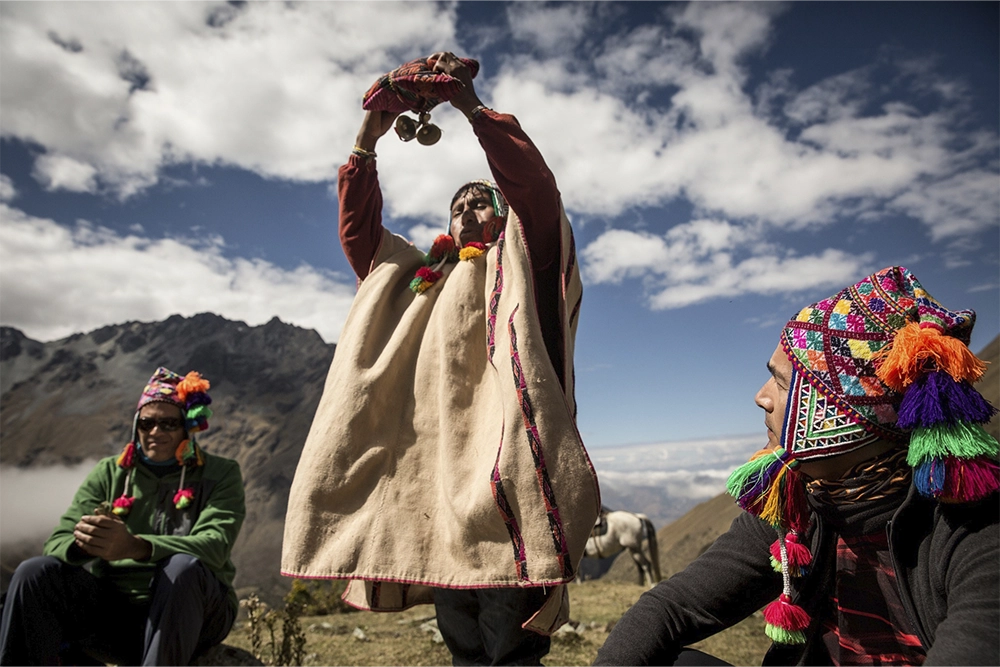
Cusco and the Sacred Valley attract travelers who combine Machu Picchu, Moray, Maras, and Ollantaytambo with spiritual practices. Local operators now separate Andean traditions such as despacho offerings, coca leaf work, and San Pedro (Huachuma) from the Amazonian tradition of ayahuasca. Peru Alive Tours follows that separation: ayahuasca is Amazonian, and other ceremonies are led by a Q’ero master, an Aymara master, or a Machiguenga healer depending on the type.
Travelers also compare itineraries more carefully. A multi-day program offers time for acclimatization, which suits visitors who want the ceremony inside a slower journey. Pricing also draws scrutiny, so operators state group size next to every per-person price.
Short- and Medium-Term Outlook
- Traveler scrutiny will keep rising, so named leaders will become standard.
- Written health screening will move from optional to expected.
- Plant sourcing questions will appear in more booking conversations.
- Community-led models will gain visibility among conscious travelers.
- Accountability itself will become the main competitive advantage, because anyone can copy a ceremony style but nobody can copy a verifiable reputation.
Strategic advice: Choose an operator that welcomes questions now, because the operators that answer openly today will define the standard travelers expect tomorrow.
Expected Impact in Cusco and the Sacred Valley
Higher expectations in responsible ayahuasca tourism help the region. Operators that respect Indigenous communities attract travelers who stay longer, spend locally, and treat sacred sites with care. Sacred Valley tourism affects farming communities along the Urubamba River, so responsible ayahuasca tourism and responsible travel in general strengthen the same local economy.
Ready to experience the latest in Sacred Valley tourism? Let Peru Alive Tours design your trip.
Frequently Asked Questions
Peru Alive Tours compiled the most common questions about responsible ayahuasca tourism in the Sacred Valley and Cusco:
What is responsible ayahuasca tourism?
Short answer: Responsible ayahuasca tourism is ceremony travel that respects the lineage, protects health, conserves plants, and benefits host communities.
The definition rests on four checks: legitimate leadership, medical safety, ecological care, and fair compensation. A traveler can test any operator against them with four direct questions before booking.
What is ayahuasca?
Short answer: Ayahuasca is an Amazonian brew made from the Banisteriopsis caapi vine, usually with chacruna leaves.
Indigenous peoples of the western Amazon basin use it within ceremonial settings, each with its own songs and rules. Peru Alive Tours describes ayahuasca as an Amazonian tradition, never an Andean one.
What is ayahuasca cultural appropriation?
Short answer: It happens when outsiders use Indigenous ceremonial forms or titles without permission, accountability, or benefit to the source community.
Warning signs include unnamed leaders, invented lineages, and borrowed regalia. Asking about the leader’s community and teachers helps you separate genuine practice from imitation.
What does ayahuasca overharvesting mean?
Short answer: Ayahuasca overharvesting means collecting the caapi vine faster than slow-growing plants can regrow.
Rising demand from visitors increases that pressure. Ask operators whether their vine comes from cultivated or managed sources and who supplies it.
How do I choose an ethical ayahuasca ceremony in Peru?
Short answer: Verify the leader, consult your doctor, ask about plants and payment, and read written policies before booking.
Walk through the six steps of responsible ayahuasca tourism in this guide. An operator that answers each question clearly and in writing has already shown part of its character.
How do I prepare for an ayahuasca ceremony?
Short answer: Follow your doctor’s advice, follow the operator’s written guidelines, arrive early for altitude, and keep the next day free.
Disclose all medication and supplements. Preparation instructions come from the operator and your physician, so Peru Alive Tours recommends reviewing them together before travel.
How does ethical ayahuasca travel protect Indigenous communities?
Short answer: It keeps leadership and authorship with Indigenous healers and shares economic benefit with their communities.
Ethical ayahuasca travel also avoids merging Amazonian and Andean practices carelessly. At Peru Alive Tours, a Kuraq Hampiq from the Machiguenga native community leads the ayahuasca ceremony.
Why is medical screening important before ayahuasca?
Short answer: The brew can interact with common medications and certain health conditions, so screening reduces avoidable risk.
Only a doctor who knows your history can judge your suitability. Peru Alive Tours does not provide medical advice, and it asks travelers to consult their own physician first.
Is ayahuasca tourism in Peru worth it?
Short answer: It depends on your health, your intentions, and the operator, and it does not suit everyone.
Travelers who practice responsible ayahuasca tourism, preparing honestly and choosing accountable operators, usually feel more confident about their decision. Others find that the right choice is to skip a ceremony and explore Andean traditions instead.
How much does an ayahuasca ceremony cost in Peru?
Short answer: Prices vary by operator, group size, and inclusions, so compare written quotes in the same currency.
Peru Alive Tours prices in USD per person, and each service needs a minimum of two or three participants. The ceremony price: [TO BE CONFIRMED BY CLIENT]. For context, the 10-day Andean Mystical Pilgrimage costs US$2,795 per person for 3 participants and US$2,475 per person for 4 or more. The 15-day Spiritual Connection Tour (15 days, 14 nights) costs US$3,775 per person for 3 participants and US$3,395 per person for 4 or more. The 7-day Kawsay program starts from US$1,375 per person, depending on group size [TO BE CONFIRMED BY CLIENT]. Confirm each program’s inclusions before booking.
What does an ayahuasca ceremony with Peru Alive Tours include in terms of meals?
Short answer: Various herbal teas before the ceremony and a light breakfast at dawn.
The same applies to San Pedro ceremonies. Lunch and dinner on the following day are not included, so plan those meals yourself and keep the day light.
Is ayahuasca legal in Peru and in my home country?
Short answer: Peru Alive Tours does not provide legal advice, so verify the rules yourself.
Rules on traditional plant medicines differ from country to country. Check the regulations of your home country, including what you may carry or bring back, and consult your own doctor and, if needed, a legal adviser before you travel.
Which is better: an ayahuasca ceremony in the Amazon or in Cusco and the Sacred Valley?
Short answer: Location matters less than who leads the ceremony and whether that person answers to a community.
Ayahuasca originates in the Amazon, so a legitimate lineage holder matters more than the map. Peru Alive Tours works with a Machiguenga Kuraq Hampiq and confirms ceremony logistics at booking.
What happens if I cancel my booking with Peru Alive Tours?
Short answer: Cancellations made 30 days or fewer before the start date receive no refund.
Review the policy on the Reasons to go with Peru Alive page before paying, and ask your questions in writing so both sides share the same understanding.
Don’t see your question here?
The Peru Alive Tours team is ready to answer your specific questions.
Message Peru Alive Tours on WhatsApp
Response in under 2 hours · Offices in Urubamba & Cusco
Common Voice Search Queries
Hey Google, how do I find a trustworthy ayahuasca ceremony near Cusco?
Quick answer: Responsible ayahuasca tourism near Cusco means a named Amazonian leader, written medical screening, transparent pricing, and clear answers about plants and community payment. Contact operators directly, compare their replies, and avoid anyone who cannot explain the lineage behind the ceremony.
Start with a short written message to two or three operators. Ask the same five questions to each and compare how specific the answers are. Detail and openness matter more than polished photos. Peru Alive Tours accepts questions by WhatsApp, phone, and email.
Hey Google, what should I ask before booking an ayahuasca ceremony?
Quick answer: Ask who leads the ceremony, which tradition it follows, how the operator screens health, where the plants come from, how the community is paid, and what the cancellation policy says. Request every answer in writing before paying a deposit.
Keep the list short and save the replies. Written answers protect both you and the operator, and they make comparisons easier later. If an operator avoids a question, note that too. Hesitation on compensation or plant sourcing deserves follow-up.
Alexa, is ayahuasca from the Amazon or the Andes?
Quick answer: Ayahuasca comes from the Amazon, not the Andes. Indigenous peoples of the western Amazon basin prepare it from the caapi vine and companion plants. Andean traditions such as despacho offerings and coca leaf reading belong to a different cultural heritage with their own protocols.
Cusco and the Sacred Valley sit in the Andes, which explains the confusion. Travelers often meet both traditions on one trip. Treating them as separate heritages respects the people behind each one and keeps your questions accurate.
Hey Google, how long should I stay in the Sacred Valley before an ayahuasca ceremony?
Quick answer: Plan at least two days of altitude adjustment before any ceremony, then follow your doctor’s and operator’s guidance. Urubamba sits lower than Cusco, so many travelers rest there first. Keep the day after the ceremony free of tours.
Altitude affects sleep, appetite, and energy, and a ceremony adds its own demands. A calm buffer lets you notice how your body responds before you commit. If symptoms of altitude sickness appear, tell your guide and see a doctor.
Hey Google, does responsible ayahuasca tourism help local communities?
Quick answer: It can, when fair payment reaches the healers and communities who keep the tradition and when operators respect Indigenous leadership. Benefits depend on the operator, so ask exactly how your payment flows to the people leading your ceremony.
Tourism does not help communities automatically. Responsible ayahuasca tourism creates the conditions for benefit through fair compensation, respect for authorship, and plant care. Travelers influence those conditions by choosing operators who answer these questions openly.
Conclusion: Your Next Step Toward Responsible Ayahuasca Tourism
Responsible ayahuasca tourism asks you to slow down. You verify the leader, consult your doctor, question the plant supply, and plan for altitude in the Sacred Valley. Those steps protect your health, the Machiguenga and other Amazonian traditions, and the living vine.
A ceremony resembles a river crossing more than a performance: you reach the other side safely only when the guide knows the water. Choose the guide with the same care you would give a river, because responsible ayahuasca tourism depends on that choice. Ayahuasca tourism ethics rewards travelers who ask hard questions early.
Write down your questions, speak with your doctor, and contact Peru Alive Tours to learn how its team approaches ceremony, preparation, and community respect from Urubamba and Cusco.
Recommended action for today: Write three questions about leadership, screening, and plants.
Respectful ayahuasca travel starts with the questions you ask before you pay. Peru Alive Tours welcomes them, and its ayahuasca ceremony remains in the hands of a Kuraq Hampiq of the Machiguenga tradition.
Ready to Take the Next Step?
Peru Alive Tours operates from offices in Urubamba and San Blas (Cusco), with a team of local Sacred Valley specialists ready to answer your questions. Reach out today and receive a personalized plan tailored to your health, interests, and schedule.
Start Your Sacred Valley Journey with Peru Alive Tours
Our local team will help you plan a respectful experience from Cusco or Urubamba.
Chat with Peru Alive Tours on WhatsApp
No commitment · We explain everything before you decide
+51 999 878 807 · info@perualive.com · www.perualive.com