Executive Summary
Quick answer: Travelers often ask is ayahuasca legal in Peru and whether San Pedro is treated the same way. Peru Alive Tours does not provide legal advice and does not state a legal ruling here. Rules differ by country, so verify official sources, your home-country regulations and your medical situation before booking.
Key takeaways:
- Peru Alive Tours gives no legal opinion on plant ceremonies
- Check your home country’s rules on carrying or importing plant products
- Consult your own doctor before any plant medicine ceremony
- Ask who leads the ceremony and what training they hold
- Budget for personal travel insurance that covers adventure activities
Article data:
- Read time: 25 minutes
- Level: Beginner to Intermediate
- Verified by Peru Alive Tours, Sacred Valley specialists
- Based on 4 authoritative institutional sources plus company-confirmed data
Few travel questions carry as much anxiety as this one. You are planning a trip to Cusco, you read conflicting forum posts, and nobody gives you a clean answer. Are ayahuasca and San Pedro legal in Peru? Many travelers ask the question before they ask about price, dates or itinerary, and that order makes sense: a mistake here affects your safety, your health and your return flight.
This guide does not hand you a legal verdict, because Peru Alive Tours does not provide legal advice and refuses to guess. It gives you something more useful: a way to evaluate the question yourself. You will learn how to check official sources, what to ask a ceremony provider, how health screening works, what the cultural context means, and how to travel with the right paperwork and insurance. Experienced Sacred Valley operators report that travelers who prepare these points before arrival ask better questions and have calmer trips.
Keep reading to the end of the step-by-step section if you plan to book in the next few weeks. Then message the team with your specific situation.
Table of Contents
- What Is the Legal Question Behind Ayahuasca and San Pedro in Peru?
- Benefits of Understanding the Rules Before You Travel
- Step-by-Step Guide to Checking the Legal Status of Ayahuasca
- Key Factors to Evaluate
- Real Traveler Situations in the Sacred Valley
- Best Practices and Mistakes to Avoid
- Current Trends
- Frequently Asked Questions
- Common Voice Search Queries
- Conclusion and Next Steps
1. Is Ayahuasca Legal in Peru? Definition and Context
Quick answer: The legal status of ayahuasca in Peru is a question about how national law, cultural recognition and your home country’s rules interact. Ayahuasca is an Amazonian plant brew; San Pedro (Wachuma) is an Andean cactus tradition. Peru Alive Tours gives no legal ruling and directs travelers to official sources.
When travelers ask is ayahuasca legal in Peru, they ask about the legal status of ayahuasca: the set of national and international rules that govern how a plant brew used in traditional ceremonies may be prepared, offered, carried and imported. It is not a single yes-or-no switch. It differs from simple tourism regulation because it touches cultural heritage, health, customs and the laws of the country you return to.
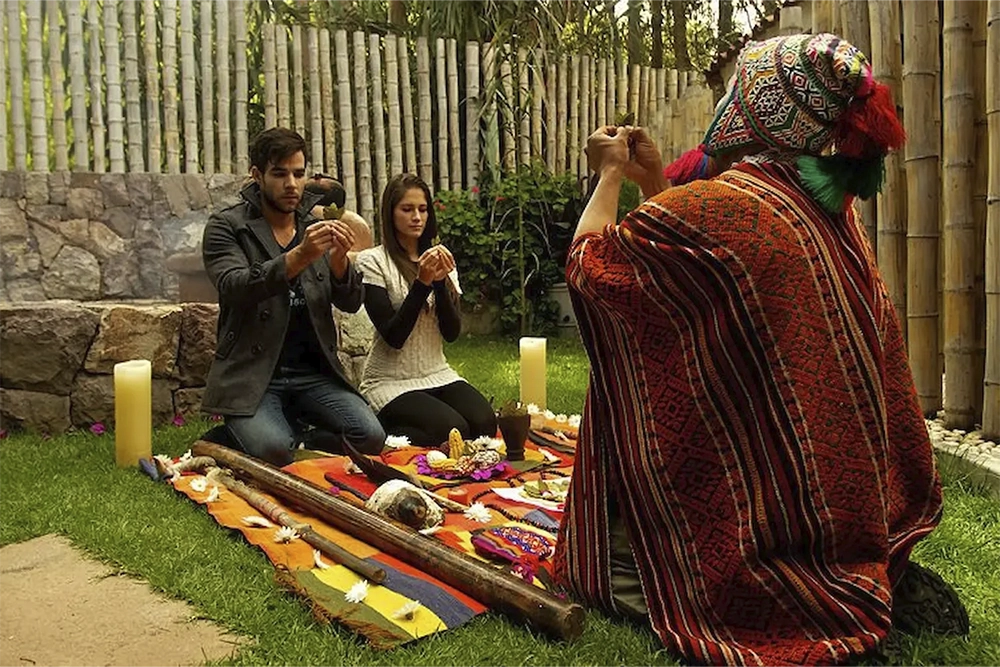
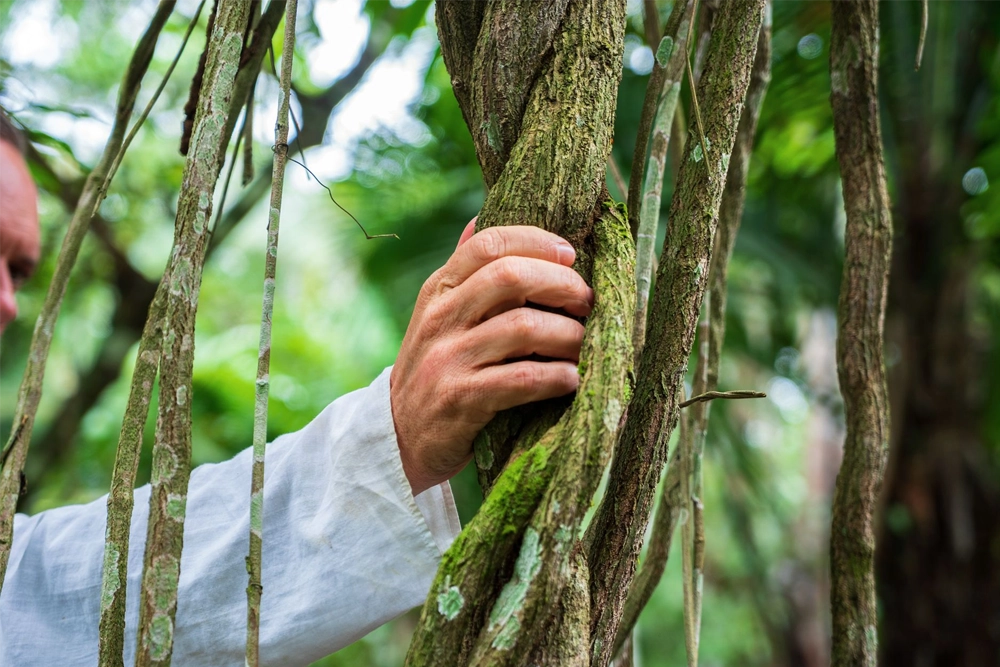
Two plants dominate the conversation. Ayahuasca is a preparation from the Amazon region, rooted in Amazonian healing lineages. San Pedro, called Wachuma in Quechua-speaking communities, is a columnar cactus used in Andean ceremonial traditions. Both are plant medicines in the cultural sense of the term, which means communities use them within ritual, community and spiritual frameworks. Neither belongs in the same category as a typical tourist activity.
Searches such as legal status of ayahuasca, ayahuasca law Peru and san pedro cactus legal reach millions of travelers, and the web answers them inconsistently. Some pages state firm legal conclusions without citing an official source. Peru Alive Tours takes the opposite approach: the company states what it can verify, and it labels the rest as unconfirmed. The same caution applies to plant medicine legal questions in general, and to the cultural heritage conversation around ayahuasca in Peru, which describes cultural value and not a travel permit.
Historical Background
For generations, Amazonian and Andean communities have used these plants inside healing and spiritual systems. Those systems carry rules of their own: dietary preparation, a trained leader, a protected setting and a period of integration afterward. Over the past decade, interest from international visitors has grown quickly, and that growth has pushed ceremonies from community settings into a tourism market.
Think of a plant ceremony like a surgical procedure in one respect: the instrument matters less than the training of the person holding it. A tradition that took generations to refine can be reduced to a commodity in a single marketing page, which is why questions about lineage and leadership belong next to legal questions.
Why It Matters Today
Travelers now compare providers online, often across several countries. The decision affects three separate areas: whether the experience respects the culture it comes from, whether it is safe for your body, and whether it creates problems at borders or with your home country’s rules. A ceremony provider can answer the first and second areas directly. The third depends on law, and law requires official sources.
Peru Alive Tours advises travelers to check the regulations of their home country, including what they may carry or bring back. The company also advises consulting a personal doctor and, if needed, a legal adviser before traveling. Peruvian tourism authorities such as MINCETUR and the regional authority DIRCETUR publish tourism information, and travelers can start at the Peru Ministry of Foreign Trade and Tourism.
The Sacred Valley and Cusco Context
The Sacred Valley (Valle Sagrado) runs along the Urubamba River between Cusco and Machu Picchu, and it hosts most Andean spiritual tourism. Cusco sits at roughly 3,400 meters above sea level, and the valley floor around Urubamba lies lower, which is why many travelers plan acclimatization days there before any ceremony. Altitude sickness (soroche) affects people differently, and it interacts with fasting, tea and fatigue.
Peru Alive Tours operates from Urubamba and San Blas in Cusco. Its founder and guide, Wilbert Yucra Choqqucunsa, holds official guide card No. 627 issued by DIRCETUR Cusco. That card verifies guiding credentials; it does not replace a legal opinion about plant ceremonies, and the company does not present it as one.
Key fact: Peru Alive Tours states that it does not provide legal advice, and it does not declare ayahuasca or San Pedro legal or illegal. Travelers should verify rules with official sources and their own legal adviser.
Want to explore how this applies to your specific travel plans? Check the FAQ section or ask Peru Alive Tours on WhatsApp.
2. Benefits of Understanding the Rules Before You Travel
Quick answer: Understanding ayahuasca legality in Peru before you fly protects your health, your return journey and the communities behind the tradition. It also helps you choose a provider who answers questions openly, screens participants and explains who leads each ceremony.
Preparation is the most underrated part of any plant medicine trip. Travelers who research the framework first tend to arrive with realistic expectations, and operators in the Sacred Valley consistently report that these guests ask sharper questions and recover from altitude and fatigue more easily. Seven specific benefits follow.
Benefit 1: You Avoid Decisions Built on Forum Rumors
Online discussions repeat unverified statements as if they were facts. When you check official sources yourself, you replace hearsay with documents. The practical effect: you can show a provider, a doctor or a legal adviser exactly what you found and ask a precise question instead of a vague one.
For example, a traveler from Europe can compare the Peruvian tourism information published by MINCETUR with the rules published by the traveler’s own health or customs authority. Two documents answer more than twenty forum threads.
Benefit 2: You Protect Your Return Journey
Rules about carrying plant products differ from country to country, and customs officers apply them at airports without regard to cultural context. Peru Alive Tours advises travelers to check their home country’s regulations, including what they may bring back, because answers to “is ayahuasca legal in Peru” say nothing about the country you return to. A traveler who leaves ceremonial plant materials in Peru avoids the risk entirely.
Benefit 3: You Screen Providers More Effectively
A provider who welcomes legal and safety questions shows transparency. A provider who dismisses them, or who gives absolute legal claims with no source, signals risk. Because Peru Alive Tours refuses to issue legal verdicts it cannot document, you can see how an honest answer sounds, and you can compare other providers against that standard.
Benefit 4: You Understand Who Leads the Ceremony
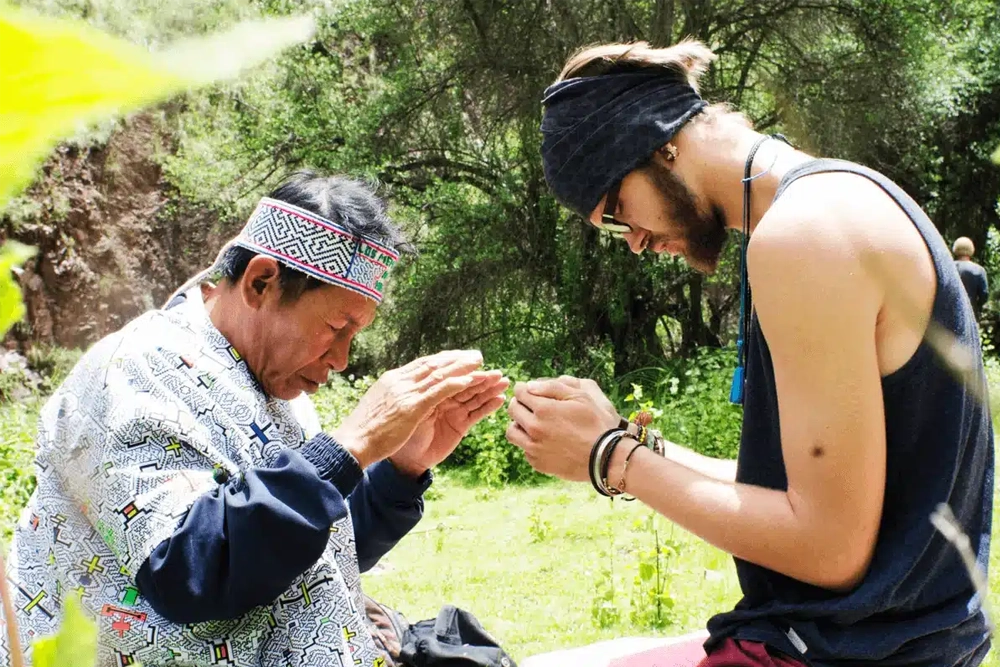
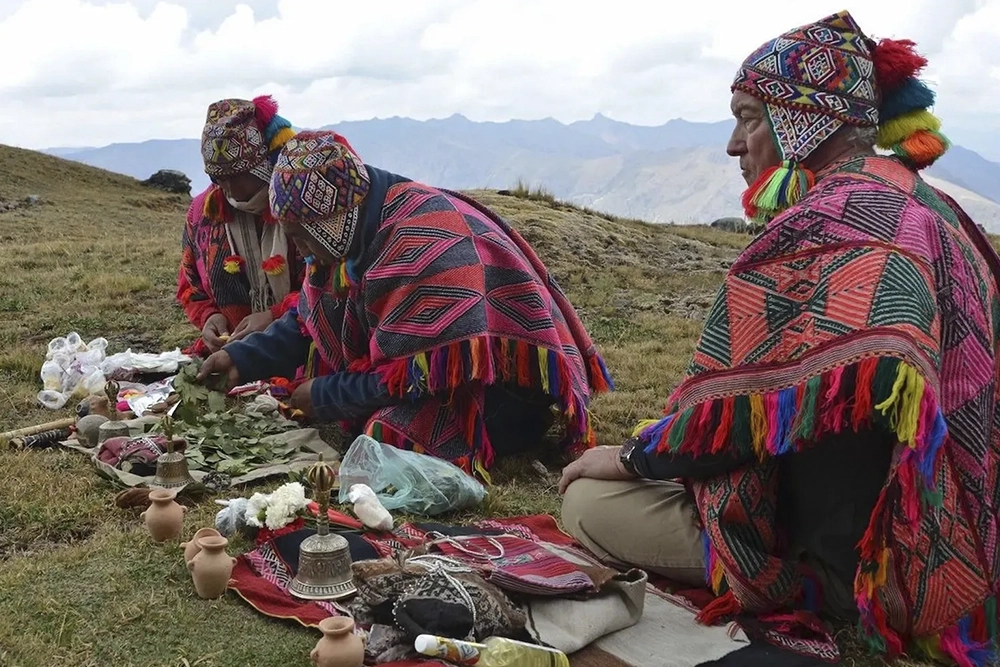
Legal questions lead naturally to leadership questions. At Peru Alive Tours, the ayahuasca ceremony is led by a Kuraq Hampiq, an Amazonian healer of the Machiguenga tradition from the Machiguenga native community. “Kuraq Hampiq” is a local title for masters of higher hierarchy. Other ceremonies are led by a Q’ero master, an Aymara master or a Machiguenga healer, depending on the ceremony type.
That specificity matters. Ayahuasca is an Amazonian tradition, so a provider who calls it Andean, or who cannot name the lineage of the person leading, gives you a reason to ask more.
Benefit 5: You Prepare Your Body Properly
Health preparation starts with your doctor, not with the provider’s website. Plant ceremonies can interact with certain medications and medical conditions, and a physician who knows your history is the right person to evaluate that. Peru Alive Tours recommends consulting your own doctor before you travel. The company does not diagnose, prescribe or replace medical advice.
Benefit 6: You Respect the Cultural Framework
Ayahuasca has strong cultural significance in Peru, and travelers who study that significance participate with more humility. Cultural recognition is a different subject from legal permission, and the two should not be confused. The ayahuasca cultural heritage Peru discussion refers to cultural recognition [TO BE CONFIRMED BY CLIENT: legal source], and that recognition describes cultural value rather than granting a travel entitlement.
Benefit 7: You Spot the Non-Obvious Cost of Combining Activities
Most travelers overlook this one: a ceremony rarely travels alone. People pair it with rafting on the Urubamba River, horseback riding or long hikes. Peru Alive’s insurance does not cover adventure activities, so combining a ceremony week with rafting or riding means you need personal travel insurance that covers those activities. Reading the fine print of your policy before you book prevents the most expensive surprise of the trip.
Verified data: Peru Alive’s rafting guide is certified by DIRCETUR Cusco, and its helmets and life jackets are NRS (Northwest River Supplies) equipment. If the river is high, the team reschedules the activity or changes the route.
Want to maximize these benefits on your trip? Let Peru Alive Tours plan your experience.
3. Is Ayahuasca Legal in Peru for You? Step-by-Step Guide to Check
Quick answer: To check whether ayahuasca is legal in Peru for your situation, follow six steps: define your plan, read official Peruvian sources, check your home country’s rules, consult your doctor, question the provider, and confirm insurance. Document each answer in writing before you pay a deposit.
The six steps below form a repeatable process. Each step names a goal, three actions, an estimated time and the tools you need. Work through them in order, because later steps depend on earlier answers.
Step 1: Define Exactly What You Plan to Do
Goal: Replace the vague question with a specific one. “Is it legal?” has no useful answer. “May I attend a ceremony led by a traditional healer and return home without carrying any plant material?” does.
- Write which plant: ayahuasca, San Pedro, or both
- Write whether you will carry anything home
- Write your nationality and your return country
Estimated time: 15 minutes. Tools: a notes app and your itinerary.
Step 2: Read Official Peruvian Sources
Goal: Anchor your research in documents rather than blogs.
- Open the MINCETUR site at gob.pe/mincetur
- Search for cultural heritage and tourism guidance
- Save every official link you find
Estimated time: 45 minutes. Tools: the MINCETUR portal and a browser translation tool for Spanish pages.
Expert tip: Official pages often use Spanish terms such as patrimonio cultural for cultural heritage. Search in Spanish as well as English, and keep cultural recognition separate from legal permission in your notes.
Step 3: Check Your Home Country’s Rules
Goal: Learn what your own authorities say about carrying, importing or consuming these plants.
- Find your customs authority’s prohibited-items page
- Search for plant-derived substance rules
- Email the authority if the page is unclear
Estimated time: 40 minutes. Tools: your government’s customs and health websites. Peru Alive Tours cannot answer this step for you, because the answer depends on your passport and your destination.
Step 4: Consult Your Own Doctor
Goal: Get an individual medical opinion before you commit.
- Bring your medication list to the appointment
- Describe the ceremony and the altitude of Cusco
- Ask directly whether anything makes it unsafe for you
Estimated time: one appointment, booked several weeks ahead. Tools: your medication list and this guide.
Expert tip: Reputable medical sources describe risks around combining ayahuasca with certain antidepressants, and around heart conditions and pregnancy. Take that general information to your doctor as a starting point, not as a conclusion.
Step 5: Question the Ceremony Provider
Goal: Confirm who leads the ceremony, what the process involves and what the provider will not do.
- Ask who leads the ceremony and from which tradition
- Ask what herbal teas and meals the program includes
- Ask how the team handles medical screening
Estimated time: one WhatsApp or email exchange. Tools: a written question list.
At Peru Alive Tours, ayahuasca and San Pedro ceremonies include various herbal teas before the ceremony and a light breakfast at dawn. They do not include lunch or dinner of the following day, so plan those meals yourself.
Step 6: Confirm Insurance and Cancellation Terms
Goal: Protect your money and your health coverage.
- Check your travel insurance for adventure-activity cover
- Read the provider’s cancellation policy in full
- Save written confirmations of every agreement
Estimated time: 30 minutes. Tools: your policy document and the provider’s terms.
The cancellation policy on the “Reasons to go with Peru Alive” page applies: with 30 days or fewer before the start date, there is no refund. Insurance matters for the same reason. Peru Alive’s insurance does not cover adventure activities, so rafting, horseback riding and similar activities need your own personal travel insurance.
Common mistake: Booking first and researching later. A traveler who pays a deposit before checking medical and home-country rules loses flexibility if the answers change the plan. Solution: complete steps one through four before you pay, and remember that no refund applies within 30 days of the start date.
Need help choosing the right tour for your trip?
Skip the trial and error. Peru Alive Tours designs personalized experiences and answers your safety and logistics questions in writing.
Contact Peru Alive Tours on WhatsApp
We explain everything before you decide · Offices in Urubamba and Cusco
4. Key Factors to Evaluate Before You Book a Plant Ceremony
Quick answer: Seven factors determine whether a plant ceremony fits you: legal and customs awareness, medical suitability, ceremony leadership, cultural respect, group size and price, insurance, and logistics such as altitude and meals. Evaluate each factor in writing before you commit.
| Key Factor | Importance | How to Evaluate | Expected Impact |
|---|---|---|---|
| Legal and customs awareness | Critical | Read MINCETUR information and your home customs rules; ask a legal adviser if unsure | Prevents problems at borders and with local authorities |
| Medical suitability | Critical | Book a doctor appointment with your medication list in hand | Identifies interactions and conditions before arrival |
| Ceremony leadership | High | Ask the provider to name the leader, the tradition and the community | Confirms the ceremony follows a real lineage |
| Cultural respect | High | Check whether the provider describes the plant tradition accurately | Reduces the risk of a commercialized or inaccurate experience |
| Group size and price | Medium | Request the per-person price in USD and the group size it assumes | Avoids surprises, because larger groups lower the per-person price |
| Insurance | High | Read your policy for adventure-activity clauses | Covers rafting and riding that provider insurance excludes |
| Altitude and logistics | Medium | Plan acclimatization days in the Sacred Valley before the ceremony | Improves comfort and reduces soroche risk |
How to Prioritize Based on Your Situation
Medical suitability and legal awareness sit above every other factor, because mistakes there cannot be undone by a good itinerary. If you take regular medication, start with your doctor. If you plan to carry anything home, start with your customs authority. Everything else, including price and scheduling, follows.
Price illustrates how the factors interact. Peru Alive Tours quotes all prices in USD per person, and each service requires a minimum of two or three participants. The per-person price falls as the group grows. The 10-day Andean Mystical Pilgrimage costs US$2,795 per person for 3 participants and US$2,475 per person for 4 or more. The 15-day Spiritual Connection Tour (15 days and 14 nights) costs US$3,775 per person for 3 participants and US$3,395 per person for 4 or more. Ask the team which ceremonies each program includes before you compare totals. Rafting and horseback riding cost US$150 per person for groups of 3 or more [TO BE CONFIRMED BY CLIENT].
Peru Alive Tours also offers a 7-day Kawsay program from US$1,375 per person, depending on group size [TO BE CONFIRMED BY CLIENT].
Need a personalized recommendation for your trip? Request a free consultation from Peru Alive Tours.
5. Real Traveler Situations in the Sacred Valley
Quick answer: Travelers who ask whether ayahuasca and San Pedro are legal in Peru usually fall into three profiles: the cautious first-timer, the medicated professional and the multi-country traveler. The three scenarios below show how each profile can structure preparation. They are illustrative situations, not individual testimonials.
Peru Alive Tours receives these questions repeatedly through WhatsApp, email and its offices in Urubamba and San Blas. The scenarios below combine common patterns in anonymized form. They contain no invented statistics and no named guests. To read real guest feedback, visit the company’s Facebook page, Instagram profile or YouTube channel.
Scenario 1: The Cautious First-Timer
Context: A traveler in their thirties plans a first trip to Peru and wants a San Pedro (Wachuma) experience in the Sacred Valley. They have never attended any plant ceremony.
Challenge: Every website gives a different answer to is san pedro legal in Peru, and the traveler feels unable to separate fact from marketing.
Solution: The traveler follows the six-step process from section 3. They read official tourism sources, note the unanswered legal points, ask the provider to confirm who leads the ceremony and arrange two acclimatization days in Urubamba before any ceremony.
Outcomes:
- Questions arrive at the provider in written, specific form
- Legal gaps stay marked as unconfirmed, not assumed
- Arrival schedule includes acclimatization before the ceremony
Key lesson: Uncertainty is information. A traveler who writes down what remains unknown makes better decisions than one who accepts a confident answer with no source.
Scenario 2: The Medicated Professional
Context: A traveler in their forties takes daily prescription medication and wants to attend an ayahuasca ceremony as part of a longer Cusco trip.
Challenge: The traveler assumes the provider’s screening covers everything, and has not told their own doctor about the plan.
Solution: The traveler books a medical appointment first, brings the full medication list and asks the doctor for a written opinion. Only after that opinion does the traveler contact the provider and share the relevant information openly. Peru Alive Tours presents Mick Stemborski as a Licensed Clinical Therapist (Montana license BBH-LCPC-LIC-1103), and travelers can ask the team how that background informs preparation and integration [TO BE CONFIRMED BY CLIENT: role in ceremonies]. The company never presents him as a physician.
Outcomes:
- Doctor’s opinion exists before any payment
- Provider receives complete medical information
- Decision rests on individual advice, not generic reassurance
Key lesson: Provider screening supports, but never replaces, your own physician. The doctor knows your history; the provider knows the ceremony.
Scenario 3: The Multi-Country Traveler
Context: A traveler combines Peru with other countries and plans to continue to a long journey that includes Lake Titicaca. They consider a multi-day program that starts in Cusco and reaches Puno on day 7.
Challenge: Each border and each airport applies different rules, and the traveler wants to bring a souvenir plant product home.
Solution: The traveler decides to bring nothing plant-based across any border. They also buy personal travel insurance that covers adventure activities, because the itinerary includes rafting and Peru Alive’s insurance does not cover adventure activities.
Outcomes:
- No plant material crosses any border
- Insurance covers rafting and similar activities
- Itinerary respects the Cusco-to-Puno sequence
Key lesson: The safest souvenir from a plant medicine journey is the experience, not the plant.
Common mistakes observed:
- Treating one forum post as a legal source. Solution: use official pages.
- Skipping the doctor. Solution: book the appointment before the deposit.
- Assuming all providers share one tradition. Solution: ask who leads.
- Carrying plant products home. Solution: check customs rules first.
- Ignoring adventure-activity insurance. Solution: confirm your policy covers it.
Want a similar experience? Discover how Peru Alive Tours can help you.
6. Best Practices and Mistakes to Avoid When Asking Is Ayahuasca Legal in Peru
Quick answer: Good practice means using official sources, consulting a doctor, naming the ceremony leader, respecting the Amazonian and Andean traditions involved and insuring adventure activities. The main mistakes are trusting unsourced legal claims, skipping medical review and treating a sacred ceremony as an entertainment product.
What You Should Do
- Use primary sources. Read pages from MINCETUR and your own government. Save the links so you can show them to an adviser.
- Ask for the leader’s name and tradition. A transparent provider answers immediately. Ayahuasca belongs to Amazonian traditions, so ask about that lineage specifically.
- Disclose your medical history fully. Include medications, supplements and past diagnoses. Incomplete information weakens every safety measure.
- Arrive early. Spend at least two days at moderate altitude in the Sacred Valley. Rest improves your tolerance for tea, fasting and late nights.
- Plan your own meals. Ceremonies include herbal teas and a light breakfast at dawn, but not lunch or dinner of the following day.
- Insure adventure activities. Rafting and horseback riding need personal cover. Peru Alive’s insurance excludes them.
- Read the cancellation terms. With 30 days or fewer before the start date, no refund applies. Calendar that date.
- Leave room for integration. Keep one or two quiet days after a ceremony. Processing the experience matters as much as the ceremony itself.
What You Should Not Do
- Do not rely on a single legal claim. Absolute statements without a named source tell you nothing. Ask for the document.
- Do not combine ceremonies with alcohol or recreational drugs. Traditional frameworks forbid it, and it adds risk. Follow the preparation instructions your provider gives.
- Do not photograph or film without permission. Ceremonies are sacred spaces. Ask the leader first, and accept a refusal.
- Do not stop prescribed medication on your own. Changes belong to your doctor. Discuss the plan with them well before you travel.
- Do not choose the cheapest option automatically. Low prices can signal missing screening or untrained leaders. Compare what each price includes.
- Do not treat the ceremony as a performance. Respect the protocols and the people who carry them. Arrive with humility.
Advanced strategy: Build a one-page dossier before you book: your plan, your doctor’s note, official source links and the provider’s written answers. Providers who run careful programs in the Sacred Valley appreciate this dossier, and it gives you a clear record if anything changes later.
Quick Checklist
- Official sources read and saved
- Doctor consulted before deposit
- Ceremony leader and tradition confirmed
- Insurance covers planned adventure activities
- Home-country carrying rules checked
Want expert guidance for your Sacred Valley itinerary? Request a free review from Peru Alive Tours.
7. Current Trends in Plant Medicine Tourism in the Sacred Valley
Quick answer: Current trends in plant medicine tourism in the Sacred Valley point toward more informed travelers, more questions about legality and safety, and more attention to indigenous leadership. Responsible operators answer in writing, screen participants and explain exactly who leads each ceremony.
Innovations in Adventure and Spiritual Tourism
Plant medicine tourism currently moves from curiosity toward due diligence. Travelers compare providers on safety, transparency and cultural respect before they compare prices. The World Tourism Organization (UN Tourism) promotes responsible and sustainable tourism principles, and those principles increasingly shape what travelers expect from operators.
Another shift is the pairing of spiritual programs with adventure activities. Sacred Valley itineraries now mix ceremonies with rafting on the Urubamba River, horseback riding and visits to UNESCO-listed sites. The UNESCO World Heritage Centre documents the cultural landscape around Cusco and Machu Picchu, which explains why so many travelers combine heritage visits with ceremonial experiences. Each added activity creates an insurance question, and a careful operator names it openly.
Market Evolution in Cusco and the Sacred Valley
Operators in Urubamba, Ollantaytambo and Cusco report growing demand for longer, better-sequenced programs rather than isolated ceremonies. A multi-day format gives guests time for acclimatization, preparation and integration. Peru Alive Tours offers such programs, including the 10-day Andean Mystical Pilgrimage and the 15-day Spiritual Connection Tour.
Questions about legality rise alongside that demand. Searches like can you take ayahuasca home, wachuma legal peru and is ayahuasca legal in Peru now appear before booking-related searches, and travelers want written, specific answers. The Smithsonian Institution publishes research on Andean culture and plant traditions through the Smithsonian, which offers a useful academic complement to tourism pages.
Short- and Medium-Term Outlook
- Travelers will ask for written confirmations of ceremony leadership.
- Providers will publish clearer safety and screening information.
- Insurance questions will enter booking conversations earlier.
- Cultural-respect standards will matter more than price in decisions.
- Providers who admit legal uncertainty will earn more trust than those who claim certainty without sources.
Strategic advice: Treat any provider’s silence on safety, leadership or legal questions as a signal. Move forward only after you receive written answers to all three.
Expected Impact in Cusco and the Sacred Valley
Transparent communication raises the standard for the whole region. When one operator publishes verified credentials, such as a DIRCETUR guide card number and a named ceremony leader, other operators face pressure to match it. Travelers benefit directly: clear information reduces risk, and communities benefit when visitors approach their traditions with respect.
Ready to experience the latest in Sacred Valley tourism? Let Peru Alive Tours design your trip.
Frequently Asked Questions About Ayahuasca and San Pedro in Peru
Peru Alive Tours compiled the most common questions about ayahuasca legality in Peru and about San Pedro in the Sacred Valley and Cusco, including whether the plant medicine is legal in Peru for tourists:
Is ayahuasca legal in Peru?
Short answer: Peru Alive Tours does not provide legal advice and does not declare ayahuasca legal or illegal; verify official sources and a legal adviser.
Rules on traditional plant medicines differ from country to country, and no single blog post settles them. Start with official Peruvian tourism information at gob.pe/mincetur, then check the regulations of your home country, including what you may carry or bring back. Consult your own doctor and, if needed, a legal adviser before you travel. If you need a legal statement for a specific purpose, request it from a qualified professional [TO BE CONFIRMED BY CLIENT: legal source].
Is San Pedro legal in Peru?
Short answer: No verified information confirms a legal or illegal status for San Pedro (Wachuma), so Peru Alive Tours makes no legal claim.
The same approach applies as for ayahuasca, and the question “is ayahuasca legal in Peru” has no verified answer on this page either. Consult official sources, check your home country’s rules and speak with your doctor. San Pedro is an Andean cactus tradition, and ceremonies are led by masters of the relevant tradition. Ask the provider who leads your ceremony and what that person’s tradition is, then document the answer in writing.
What is the legal status of ayahuasca for tourists?
Short answer: The legal status of ayahuasca for tourists is not confirmed by Peru Alive Tours; travelers should consult official sources and legal advisers.
Tourism information, cultural recognition and law are three separate things. A page that praises a tradition does not grant permission, and a permit for a guide does not rule on a plant. Keep each document you find in a folder and bring it to your adviser.
What is ayahuasca and where does the tradition come from?
Short answer: Ayahuasca is a plant brew from Amazonian healing traditions, used in ceremonies led by trained healers.
Ayahuasca belongs to the Amazon region, not to the Andes. At Peru Alive Tours, a Kuraq Hampiq, an Amazonian healer of the Machiguenga tradition from the Machiguenga native community, leads the ayahuasca ceremony. Peru Alive Tours does not name any other lineage as the tradition of its ayahuasca ceremony.
What is San Pedro, also called Wachuma?
Short answer: San Pedro, called Wachuma in Quechua-speaking communities, is a columnar cactus used in Andean ceremonial traditions.
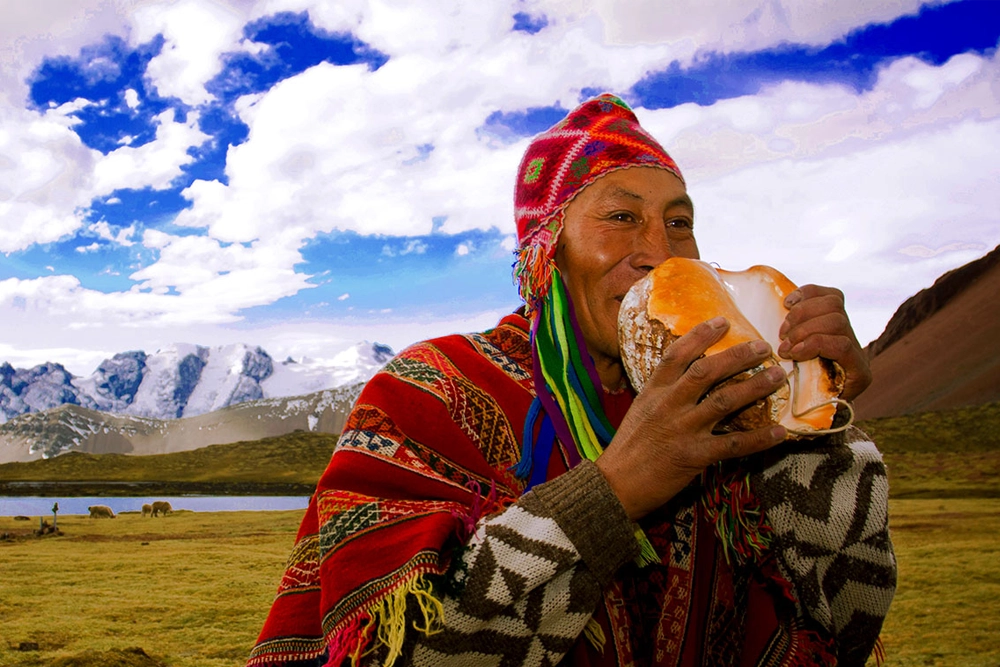
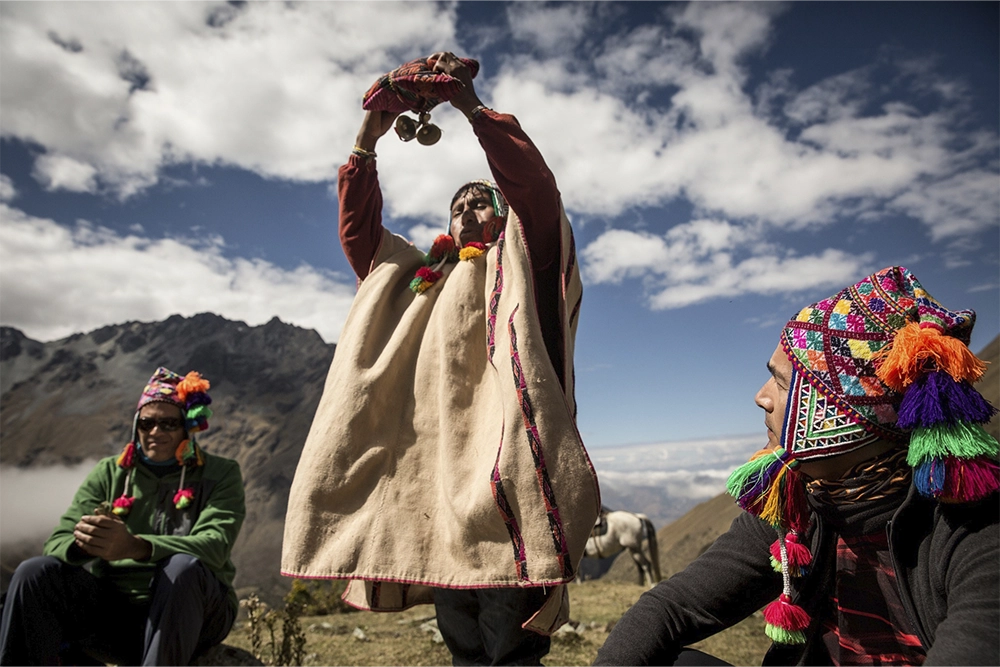
It differs from ayahuasca in origin and setting: San Pedro belongs to the Andes, while ayahuasca belongs to the Amazon. Depending on the ceremony type, Peru Alive Tours works with a Q’ero master, an Aymara master or a Machiguenga healer.
What is a Kuraq Hampiq?
Short answer: Kuraq Hampiq is a local title for masters of higher hierarchy in traditional healing.
At Peru Alive Tours, the ayahuasca ceremony is led by a Kuraq Hampiq from the Machiguenga native community. The title signals seniority within the tradition. When you compare providers, ask each one to name the leader, the tradition and the community, and compare the answers.
How do I check ayahuasca legality in Peru before I travel?
Short answer: Read official Peruvian tourism sources, check your home country’s rules, consult your doctor and ask a legal adviser if unsure.
Follow the six-step process in section 3 of this guide. Write down what you find, mark unconfirmed points and share the file with your adviser. The process takes roughly three hours in total, spread across several days.
Can you take ayahuasca home from Peru?
Short answer: Check your home country’s rules on carrying plant products before you travel; Peru Alive Tours gives no legal clearance.
Customs rules differ by country and apply at the border you cross. The simplest approach is to bring nothing plant-based home. If you consider doing otherwise, ask your customs authority in writing and keep the reply.
Do I need to consult a doctor before a plant medicine ceremony?
Short answer: Peru Alive Tours recommends consulting your own doctor before you travel; the company does not diagnose or prescribe.
Take your medication list and describe the ceremony and the altitude of Cusco. Peru Alive Tours presents Mick Stemborski as a Licensed Clinical Therapist, license BBH-LCPC-LIC-1103, Montana, but he is not presented as a doctor or medical reviewer. Your physician remains the right person to evaluate your suitability.
Is it worth joining a multi-day program instead of a single ceremony?
Short answer: Multi-day programs give time for acclimatization, preparation and integration that a single ceremony cannot offer.
Altitude, tea, fasting and travel fatigue stack up quickly. A longer program spaces these demands across days, and a guide such as Wilbert Yucra Choqqucunsa, founder of Peru Alive Tours and holder of DIRCETUR guide card No. 627, can adjust the pace to the group.
How much does a Peru Alive program cost?
Short answer: Prices are in USD per person and fall as group size grows; the 10-day pilgrimage costs US$2,795 for 3 participants.
The 10-day Andean Mystical Pilgrimage costs US$2,475 per person for 4 or more participants. The 15-day Spiritual Connection Tour costs US$3,775 per person for 3 participants and US$3,395 per person for 4 or more. The 7-day Kawsay starts from US$1,375 per person, depending on group size [TO BE CONFIRMED BY CLIENT]. Ask the team what each program includes.
How long does a program take?
Short answer: Peru Alive programs run 7, 10 or 15 days depending on the itinerary.
The 15-day Spiritual Connection Tour covers 15 days and 14 nights. The Lake Titicaca program (Uros, Taquile and Amantani) starts in Cusco and reaches Puno on day 7, so plan your arrival in Cusco, not in Puno.
What meals are included with ayahuasca and San Pedro ceremonies?
Short answer: Ceremonies include various herbal teas before the ceremony and a light breakfast at dawn.
They do not include lunch or dinner of the following day, so budget for those meals. Ask the team for simple, light options in Urubamba or Cusco.
Does Peru Alive insurance cover rafting and horseback riding?
Short answer: No. Peru Alive’s insurance does not cover adventure activities, so travelers need personal travel insurance that covers them.
The rafting guide is certified by DIRCETUR Cusco, helmets and life jackets are NRS equipment, and the team reschedules or reroutes when the river runs high. Those safeguards do not replace insurance.
Which is better for a first-timer in Cusco, ayahuasca or San Pedro?
Short answer: Neither is better in general; the right choice depends on your health, your goals and your doctor’s advice.
The two traditions differ in origin, setting and leadership: Amazonian for ayahuasca, Andean for San Pedro. Talk with your doctor first, then describe your goals to the team and ask for an honest recommendation in writing.
Don’t see your question here?
The Peru Alive Tours team is ready to answer your specific questions.
Message Peru Alive Tours on WhatsApp
No commitment · Offices in Urubamba and Cusco
Common Voice Search Queries
Hey Google, is ayahuasca legal in Peru for tourists?
Quick answer: Peru Alive Tours does not give a legal ruling. Check official Peruvian sources, your home country’s rules and your doctor’s advice before you book, and ask a legal adviser if you need certainty.
Spoken questions such as “is ayahuasca legal in Peru” deserve the same care as typed ones. Write your own question list, send it to the team and keep the written reply. That reply becomes part of your travel file.
Where can I find a San Pedro ceremony near me in Cusco?
Quick answer: Peru Alive Tours operates from offices in Urubamba and San Blas, Cusco. Ask the team which Andean master leads the ceremony, which meals and teas are included, and what screening applies before you reserve.
Offices matter for trust. Peru Alive Tours lists Av. Vilcanota N°154 and Av. La Convención N°190 in Urubamba and Calle Carmen Alto N°197 in San Blas, so travelers can visit in person before they decide.
Hey Google, who leads an ayahuasca ceremony at Peru Alive?
Quick answer: A Kuraq Hampiq, an Amazonian healer of the Machiguenga tradition from the Machiguenga native community, leads the ayahuasca ceremony at Peru Alive Tours. Kuraq Hampiq is a local title for masters of higher hierarchy.
Other ceremonies use a Q’ero master, an Aymara master or a Machiguenga healer, depending on the type of ceremony. Ask the team for the match to your program.
What should I check before I travel to the Sacred Valley for a ceremony?
Quick answer: Check official sources on ayahuasca legality, your home country’s carrying rules, your doctor’s opinion, your insurance for adventure activities and the provider’s cancellation policy. With 30 days or fewer before the start date, no refund applies.
Put those five checks in a single note on your phone. Review it again two weeks before departure, because plans and policies change.
Hey Google, how do I contact Peru Alive Tours?
Quick answer: Contact Peru Alive Tours on WhatsApp at +51 999 878 807, by email at info@perualive.com or through www.perualive.com. The team’s main office is at Av. Vilcanota N°154, Urubamba, Cusco.
The team also answers on Facebook, Instagram and X for general questions, but send medical and booking details through WhatsApp or email.
Conclusion: Your Next Step
The honest answer to is ayahuasca legal in Peru is that a trustworthy guide cannot reduce it to one word, and Peru Alive Tours will not pretend otherwise. What you can control is preparation: official sources, your home country’s rules, your doctor’s opinion, a named ceremony leader and insurance that matches your plans.
Think of this process as packing a first-aid kit before a mountain hike. You hope never to open it, and you travel with far more confidence because it exists. A traveler with a complete file walks into the Sacred Valley able to focus on the ceremony and the landscape, from Urubamba to Ollantaytambo and Cusco, instead of on open questions.
Whenever you hear someone answer “is ayahuasca legal in Peru” with certainty and no source, ask for the document. Contact Peru Alive Tours with your plan, your dates and your questions, and ask for written answers on leadership, meals, screening and price for your group size.
Recommended action for today: Write your three biggest questions and send them to the team.
The legal status of ayahuasca and San Pedro depends on official sources and your own circumstances, and Peru Alive Tours supports every traveler who checks those sources first, with offices in Urubamba and San Blas ready to answer your questions.
Ready to Take the Next Step?
Peru Alive Tours operates from offices in Urubamba and San Blas (Cusco), with a team of local Sacred Valley specialists ready to design your experience. Reach out today and receive a personalized itinerary tailored to your interests and schedule.
Start Your Sacred Valley Adventure with Peru Alive Tours
Our local team will help you plan the right experience from Cusco or Urubamba.
Chat with Peru Alive Tours on WhatsApp
No commitment · We explain everything before you decide
+51 999 878 807 · info@perualive.com · www.perualive.com